When to Replace Plumbing Fixtures: A Homeowner’s Guide
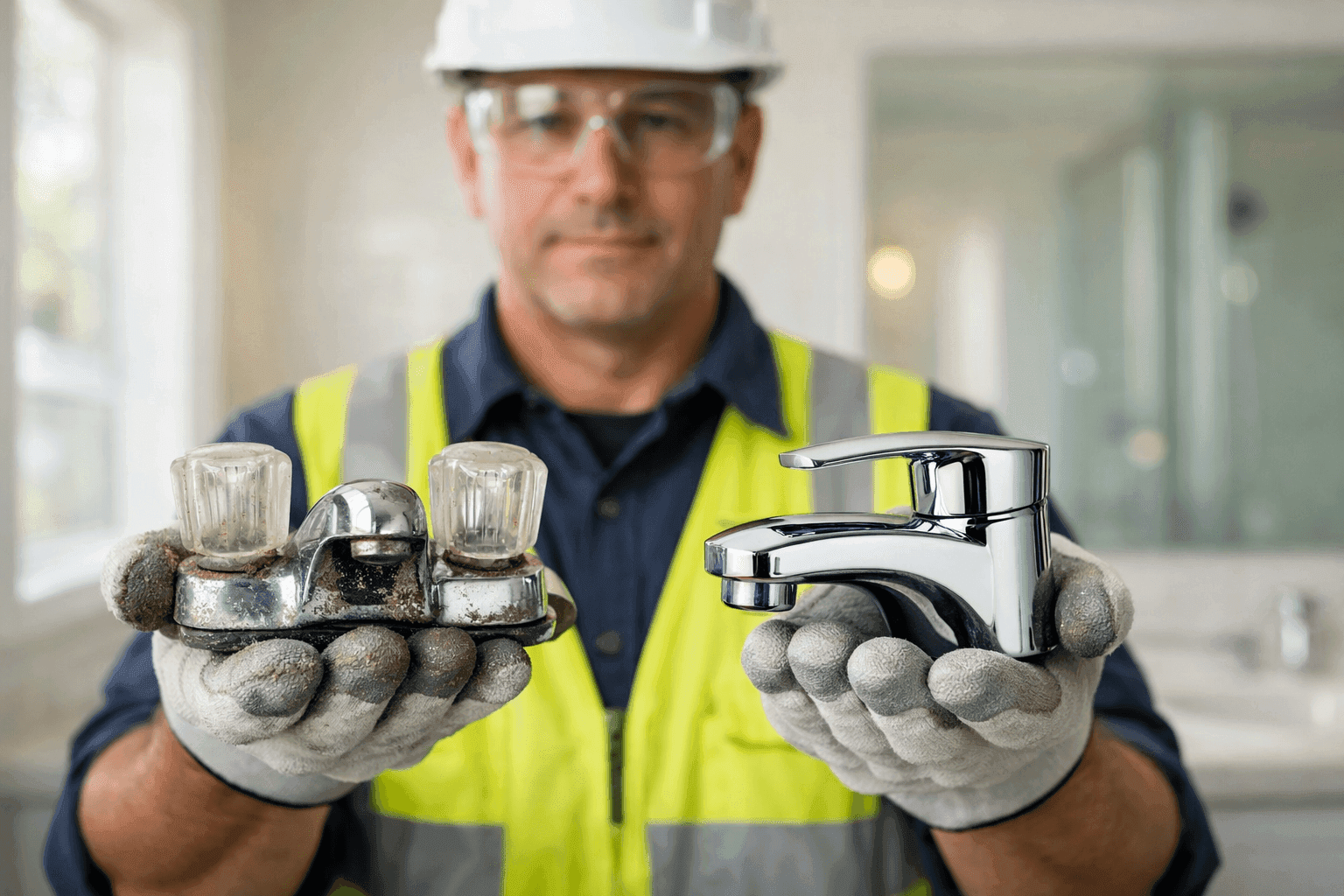
Is your bathroom faucet acting up again? Or maybe your kitchen sink drips late into the night, singing you to sleep. Plumbing fixtures don’t last forever, and knowing when to replace them can save your home from leaks, water waste, and headaches.
At Peters Flo Plumbing, we’ve seen every stage of fixture life. This guide will help you spot trouble before it becomes costly. Let’s get your home running like a well-oiled machine—without the surprise puddles.
Fixture Lifespan: How Long Should Plumbing Fixtures Last? 🛁
Every part of your plumbing has a “best by” date. Ignore it, and you risk leaks, mold, or worse. Here’s what you should expect from the most common household fixtures:
- Faucets: 10–15 years on average. Hard water can shorten this if left untreated.
- Toilets: While the porcelain can last decades, inner parts like flappers and fill valves often need replacement every 5–10 years.
- Showerheads: 8–12 years, though mineral buildup may mean you want to swap sooner.
- Water heaters: Tank models last 8–12 years; tankless can stretch to 20, but regular maintenance is key.
- Garbage disposals: 8–15 years, depending on use and what goes down the drain.
- Supply pipes: Copper pipes may last 50+ years, but steel or polybutylene can fail much sooner.
Tip: Check your owner’s manuals or consult resources like the International Association of Certified Home Inspectors (InterNACHI) for typical lifespans.
Warning Signs: How Do You Know It’s Time to Replace?
Your fixtures will speak up—if you know how to listen. Watch for these unmistakable clues:
- Age: If your fixture is at or past its expected lifespan, replacement is wise.
- Leaks: Drips under the sink, puddles around the toilet, or damp cabinets all point to failing seals or cracks.
- Inefficiency: Weak water pressure, inconsistent temperature, or toilets that constantly run are signs of worn parts or mineral build-up.
- Appearance: Corrosion, pitting, rust, or stains are more than ugly—they’re hints that water is finding a way out.
- Frequent Repairs: If you’re calling a plumber every few months, it’s time for a permanent fix.
- Odd Noises: Clanking, banging, or gurgling from pipes or fixtures usually means trouble is brewing.
Ignoring these signs is like ignoring the check engine light in your car. Sooner or later, a small problem becomes a flood.
Quick Safety Checklist Before Replacement
Before you touch a single bolt, make sure you’re ready:
- Turn off the water supply to the fixture.
- Shut off power for electric fixtures like water heaters or garbage disposals.
- Check for gas lines when working near stoves, water heaters, or dryers.
- Wear gloves and safety glasses to protect from sharp edges or splashes.
- Consult local codes (like those from the Uniform Plumbing Code) before starting any major work.
If you ever smell gas or see water pooling near electrical outlets, call a professional immediately.
DIY vs. Call a Pro: What Should Homeowners Tackle?
Some fixture swaps are doable for handy homeowners—like swapping a showerhead or replacing a faucet washer. But more complex jobs, such as water heater installation or anything involving gas lines, should be left to licensed plumbers.
Remember: DIY mistakes can void warranties, damage your home, or cause hazardous leaks. When in doubt, call Peters Flo Plumbing for help with Backflow Prevention.
What Pros Do On Arrival
A seasoned plumber doesn’t just swap parts. Here’s what you can expect when Peters Flo Plumbing arrives:
- Full inspection of the fixture and connecting pipes.
- Testing for hidden leaks or corrosion.
- Backflow testing to ensure water safety.
- Quality installation using code-compliant materials.
- Clean-up and proper disposal of old fixtures.
Our team follows all state and local codes, keeping your family and investment safe.
Prevention & Maintenance: Making Fixtures Last
You can extend the life of your fixtures with a few simple habits:
- Clean aerators and showerheads to prevent mineral buildup.
- Inspect supply lines annually for bulges or leaks.
- Flush water heaters to remove sediment (at least once a year).
- Install water filtration if you notice hard water stains or buildup.
- Schedule preventative maintenance with a pro.
A little care now beats a frantic call later.
Costs & Time Factors
Budgeting for fixture replacement? Here’s what you should know:
- Fixture cost: Basic models are affordable, but premium finishes or smart features increase price.
- Labor: Straight swaps are quick, but moving pipes or fixing hidden damage adds time and cost.
- Permits: Some replacements—especially those involving gas lines or major plumbing reroutes—require permits and inspections.
- Downtime: Most fixes are done in a few hours. Whole-home repiping or large jobs may take a day or two.
Pro tip: Ask for a written estimate upfront. Don’t forget to factor in potential savings from water efficiency upgrades.
When Replacement Is an Emergency
Sometimes, waiting isn’t an option. Call for immediate help if you notice:
- Major leaks or flooding.
- No water to fixtures.
- Sewage odors or backups.
- Gas smells near water heaters or stoves.
Emergencies can lead to structural damage and health hazards. Don’t delay—reach out for fast, professional help.
FAQ: Common Fixture Replacement Questions
How do I know if my faucet is leaking under the sink?
Look for dampness, mold, or a musty smell in the cabinet. Place a paper towel beneath and check for wet spots after use.
Can I just repair instead of replace?
Minor issues like a worn washer can be fixed. But if repairs are frequent or the fixture is old, replacement is usually smarter and safer.
Will new fixtures fit my old plumbing?
Most standard fixtures are designed for compatibility, but always check sizing and connections before buying. Older homes may need adapter fittings.
Do I need to upgrade for code compliance?
Some local codes require water-saving fixtures or backflow prevention devices. Ask your plumber or check with your municipality.
Seasonal Considerations: When’s the Best Time to Upgrade?
Spring and fall are ideal for fixture upgrades—pipes aren’t frozen, and you can avoid peak plumbing emergencies. If you’re planning a remodel or adding appliances, coordinate fixture replacement to minimize disruption.
Common Mistakes Homeowners Make
- Ignoring small leaks: They add up to big water bills and hidden damage.
- Choosing cheap fixtures: Low-cost parts often fail faster.
- Skipping permits: Unpermitted work can cause code issues when selling your home.
- Forgetting about water pressure: Some new fixtures require minimum pressure—don’t get stuck with a weak shower!
Timeline & Disruption: What to Expect During Replacement
Most single fixtures (like a faucet or toilet) can be swapped in under two hours. Larger projects—say, bathroom repiping—may require a day or more. Experienced plumbers protect floors, minimize mess, and restore water service quickly.
Materials & Equipment: What’s Best for Your Home?
There’s more to fixture selection than picking a pretty finish. Look for:
- Solid brass or stainless steel for durability.
- Ceramic disc valves in faucets for drip-free performance.
- WaterSense-labeled toilets and faucets for efficiency.
- Lead-free materials—especially in drinking water lines.
Always check for certified products that meet current plumbing standards.
Benefits of Replacement: Why Upgrade Fixtures?
Replacing old or worn fixtures isn’t just about fixing leaks. Here’s what you gain:
- Improved efficiency: New fixtures use less water and reduce bills.
- Better hygiene: No more moldy seals or rusty handles.
- Increased home value: Upgrades are attractive to buyers and appraisers.
- Peace of mind: Reliable plumbing means fewer surprises.
Choosing New Fixtures: What Matters Most? 🚿
When picking replacements, consider:
- Function: Do you need spray options, ADA compliance, or smart features?
- Style: Match finishes to your décor for a seamless look.
- Efficiency: Look for EPA WaterSense or ENERGY STAR labels.
- Quality: Read reviews and ask your plumber for recommendations.
A good fixture feels sturdy, looks great, and works flawlessly.
Planning Your Fixture Upgrades With Confidence
You don’t have to wait for a catastrophe to start planning. Make a list of aging or troublesome fixtures. Set a budget. Prioritize rooms or items that show the most wear. And don’t forget, regular inspections—like Sewer Line Inspection—catch problems before they escalate.
If you need plumbing help—from backflow testing to full fixture installation—our team is here to guide you. For trusted plumbers and emergency plumbing services in Casper, Peters Flo Plumbing is your first call.
Ready to upgrade your fixtures or handle a plumbing emergency?
Call Peters Flo Plumbing now — or reach us anytime at 877-331-9687 .