Sump Pump Repair: What Every Homeowner Needs to Know
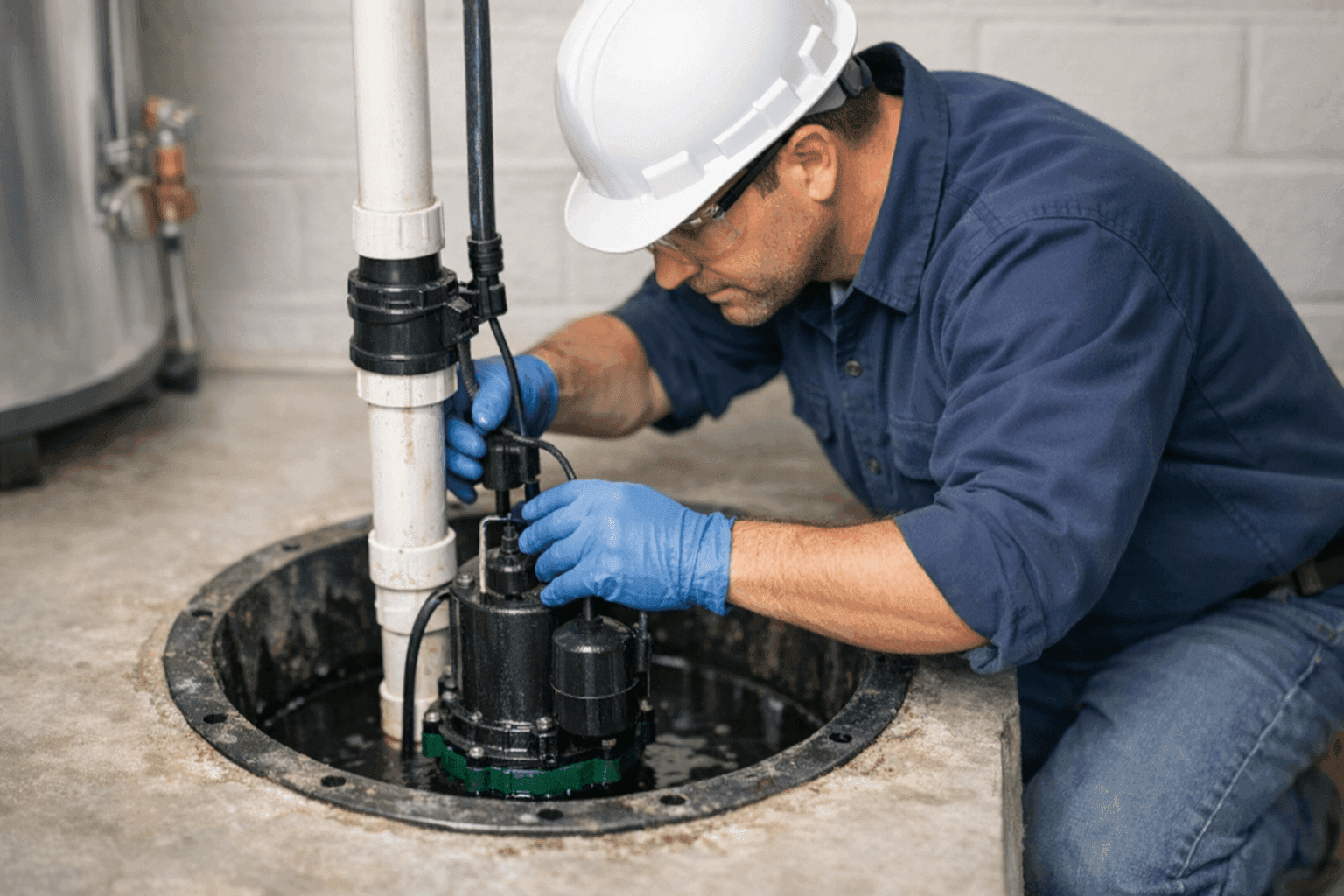
Water in the basement is every homeowner’s nightmare. One faulty sump pump and suddenly your safe, dry space can turn into a swamp. At Peters Flo Plumbing, we know just how disruptive—and expensive—unexpected water damage can be.
That’s why understanding sump pump repair isn’t just for the “handy” folks. It’s essential for anyone who wants to keep their home dry, especially when storms roll in and the ground starts to swell.
What Does a Sump Pump Do? 🌊
Imagine your basement as the bottom of a coffee mug. When it rains, water tries to fill up that mug. Your sump pump is the straw that keeps sucking water out before it spills over. It sits in a pit, waiting for water to rise. When the water gets high enough, the pump whirs to life and pushes it outside, away from your home’s foundation.
Sump pumps are unsung heroes—especially in areas with heavy rain, snowmelt, or high water tables. They’re vital for flood prevention and protecting your belongings, walls, and even the health of your family. A reliable sump pump also supports your overall plumbing system by keeping moisture and mold at bay.
Signs Your Sump Pump Needs Repair
Sump pumps rarely quit with a dramatic bang. More often, they send subtle signals that trouble is brewing. Look out for:
- Loud, unfamiliar noises (grinding, rattling, or thumping)
- Pump cycling on and off rapidly
- Water not draining from the pit
- Visible rust or corrosion on the pump or discharge pipe
- Power failures or frequent tripped breakers
- A musty, damp smell in your basement
- The pump not starting during heavy rain
If you notice any of these, don’t ignore them. Small issues with your sump pump can quickly turn into big headaches when the next storm rolls through.
Quick Safety Checklist Before You Begin 🔌
Before you touch anything, it’s important to keep safety in mind:
- Always unplug the sump pump before inspecting or working on it.
- Wear waterproof gloves and non-slip shoes.
- Never stand in water while handling electrical components.
- Keep children and pets away from the work area.
The National Electrical Code (NEC) recommends using Ground Fault Circuit Interrupter (GFCI) outlets for all sump pump installations. If you’re not sure, it’s best to call a professional.
DIY Troubleshooting Steps
Some sump pump issues are simple enough to check at home. Here are a few things you can try:
- Check the Power: Make sure the pump is plugged in and the breaker hasn’t tripped.
- Test the Float: Pour a bucket of water into the pit. The float should rise and trigger the pump to start. If not, it may be stuck or broken.
- Clear Debris: Remove leaves, gravel, or silt from around the pump and float mechanism.
- Inspect the Discharge Pipe: Look outside for blockages or ice that could stop water from flowing away.
- Listen for Odd Noises: Grinding or rattling often means a part is loose or worn out.
If these checks don’t solve the problem, it’s time to reach out for help.
When to Call a Professional
Some repairs are best left to the pros—especially when water and electricity mix. Call Peters Flo Plumbing if:
- You’re uncomfortable doing electrical work
- The pump runs but doesn’t move water
- There’s water in your basement after a storm
- The pit fills with water but the pump won’t start
- There’s evidence of a failed check valve or backflow issue
Quick action can save your home from major water damage and mold growth. If your sump pump fails during a storm, our emergency plumbing team is always ready to respond.
What to Expect During a Professional Sump Pump Repair 🧰
When you call in our crew, here’s what happens next:
- We’ll inspect the entire system, from the sump pit to the discharge line.
- Electrical and float switch checks ensure safe operation.
- We’ll clean out debris and test the pump under real conditions.
- If needed, we’ll replace worn parts, install a backup system, or suggest upgrades for better reliability.
We always follow state and local plumbing codes, so you know the work will hold up when you need it most.
The Cost and Time Factor: What’s Realistic?
Most sump pump repairs can be completed in a single visit, especially if the issue is a stuck float or clogged pipe. More complex repairs, like motor replacement or repiping, might take longer.
Costs depend on the pump type, age, and the nature of the problem. We’ll always explain your options clearly—no hidden surprises.
The Hidden Risks of Delay: When It’s an Emergency
Storms and floods don’t wait until you’re ready. A malfunctioning sump pump during a heavy downpour can flood your basement in hours—not days. Water can damage drywall, flooring, and even your home’s foundation.
If you see water pooling or the pump isn’t running during a storm, this is an emergency. Contact us immediately for emergency plumbing.
Preventing Future Sump Pump Problems
Like changing the oil in your car, regular maintenance keeps your sump pump humming. Here’s how:
- Test your pump every season—especially before spring rain or winter snowmelt.
- Make sure the pit stays clean and free of debris.
- Inspect the discharge line outdoors for clogs, ice, or animal nests.
- Ask about preventative maintenance packages to keep everything on schedule.
The International Association of Certified Home Inspectors (InterNACHI) recommends annual sump pump inspections for optimal protection.
Seasonal Sump Pump Checks: Don’t Skip Them! 🗓️
Spring and fall are the best times for a check-up. Heavy rains, melting snow, and sudden thaws can all test your system to the max. Seasonal checks catch problems early—before the next storm hits.
Set a calendar reminder or tie your maintenance to other home routines like changing smoke detector batteries.
Avoiding Common Sump Pump Mistakes
Even the best intentions can go awry. Watch out for these pitfalls:
- Ignoring strange noises or smells
- Letting debris build up in the pit
- Skipping annual maintenance
- Forgetting to check the backup system or battery
- Discharging water too close to your foundation
A little attention now can save thousands in repairs later.
Choosing the Right Sump Pump Repair Service 🧑🔧
Not all plumbing companies are created equal. Here’s what to look for:
- Proper licensing and insurance
- Clear communication about repair options and costs
- Familiarity with current local codes and safety guidelines
- Reliable reviews and a track record of quality service
At Peters Flo Plumbing, we believe in straightforward advice and respectful service—no scare tactics or upselling.
How Sump Pump Repair Supports Your Whole Plumbing System
A working sump pump does more than keep your basement dry. It protects your pipes from pressure changes, reduces the risk of sewer backups, and keeps your home’s foundation strong.
If you’re already dealing with water pressure issues, don’t forget we also offer Preventative Maintenance to keep your drinking water safe.
FAQs: Sump Pump Repair and Maintenance
Q: How long should a sump pump last?
A: Most units last 7–10 years with proper care.
Q: Can I install a backup battery myself?
A: Some homeowners can, but professional installation ensures it’s done safely.
Q: Is a backup system really necessary?
A: If you live in a flood-prone area or your home relies on a sump pump, a backup is cheap insurance.
Why Timely Sump Pump Repair Matters
Delaying a repair can turn a minor annoyance into a major disaster. Mold, foundation cracks, ruined belongings—none of these are worth the risk.
If you need plumbing repair in Fargo, our team is ready to help—fast.
Final Thoughts—Keep Your Home Dry, Safe, and Worry-Free
A sump pump is one of those things you only think about when it fails. Don’t wait for the next storm to find out yours isn’t up to the task. Regular care, quick repairs, and a team you can count on make all the difference.
Call Peters Flo Plumbing now — or reach us anytime at 877-331-9687 .