How to Spot Gas Line Issues Before They Become Emergencies
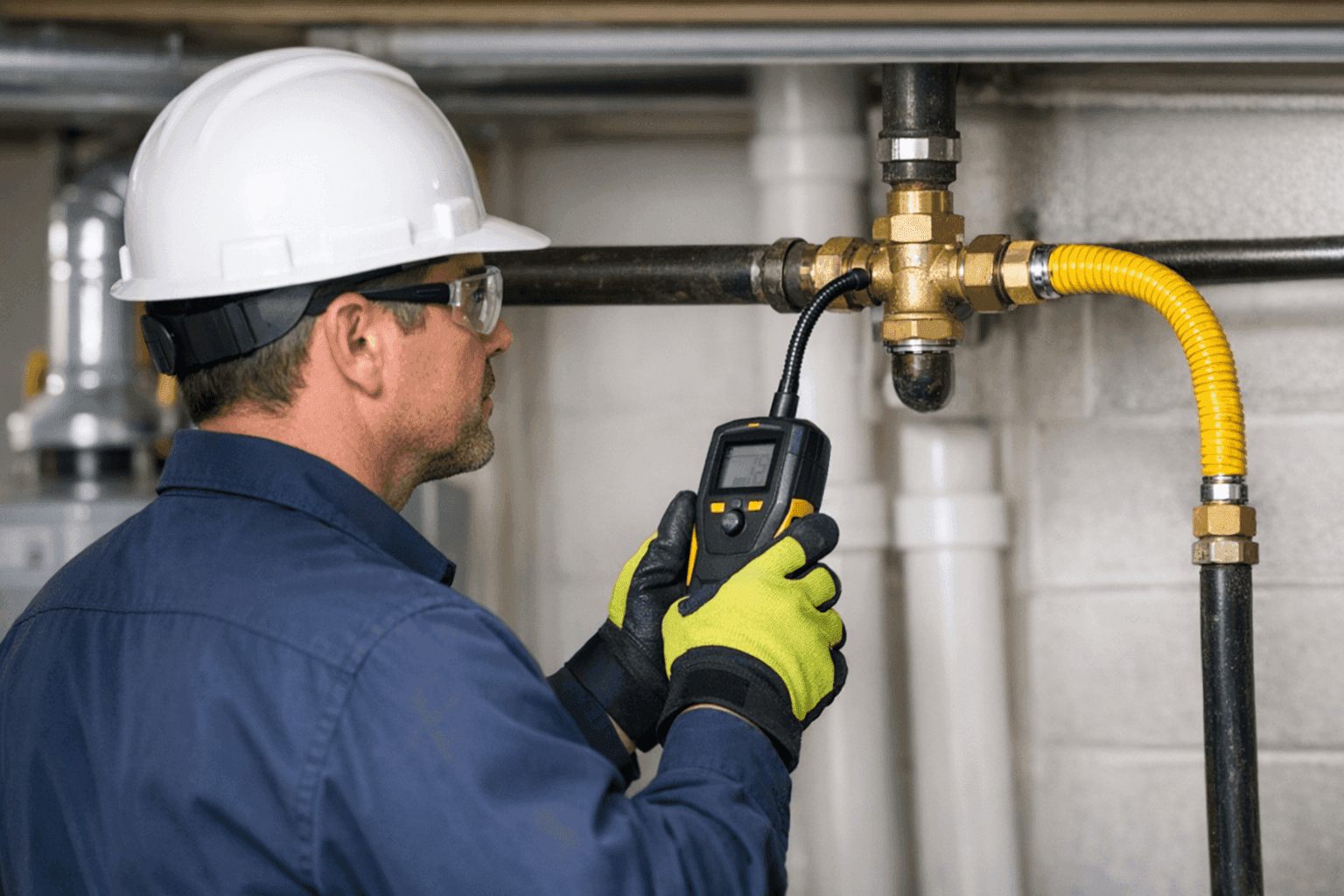
Gas lines run quietly beneath our homes, out of sight, out of mind. Until something goes wrong. The consequences of a hidden leak or aging connection can be costly—or worse, dangerous. At Peters Flo Plumbing, we know that staying ahead of gas line issues isn’t just smart. It’s essential for your family’s safety and peace of mind.
Let’s walk through the warning signs, most common trouble spots, and the steps you can take to keep your home safe and your air clean.
Common Symptoms of Gas Line Issues 🛑
Imagine walking into your kitchen and catching a rotten egg smell—or maybe you hear a faint hissing sound near your stove. These aren’t just minor annoyances. They’re red flags. Here’s what to watch for:
- Unusual odors: Natural gas is odorless, but suppliers add a chemical called mercaptan so leaks smell like sulfur or rotten eggs.
- Hissing or whistling: Gas escaping from a line can sound like a snake hiding in the wall.
- Dead or discolored vegetation: Grass or plants dying above buried lines can signal a slow, invisible leak underground.
- Physical symptoms: Headaches, dizziness, nausea, or fatigue in your household can be caused by gas exposure.
- Bubbling water: If you see bubbles in standing water or puddles near connections, suspect a leak below the surface.
Never ignore these symptoms. Even a tiny leak can escalate to a big emergency.
Where Gas Leaks Happen in Homes
Gas lines weave through your house like veins. But some spots are more prone to leaks:
- Appliance connections: Flexible lines behind stoves, water heaters, clothes dryers, and furnaces are frequent culprits.
- Basements and crawlspaces: Older pipes can corrode out of sight, especially in damp or hidden areas.
- Outdoor grills and firepits: Weather, animals, and shifting soil put extra strain on exterior gas lines.
- Gas meters and shutoff valves: These are exposed to the elements and can wear down over time.
If your home is older, or you’ve recently renovated, be extra alert. Even a small jostle during a remodel can loosen connections.
What to Do If You Suspect a Leak
Gas leaks aren’t the time for hesitation. Here’s what to do—quickly and calmly:
- Leave immediately. Get everyone (pets included) outside.
- Don’t use electronics. Flipping switches or using phones inside can spark an explosion.
- Don’t try to find the leak. Time is critical; don’t investigate.
- Call emergency services. Use a neighbor’s phone or your cell from a safe distance.
- Contact a licensed plumber. Once the home is cleared and safe, call Peters Flo Plumbing for professional help.
If you’re in a region like Spring Valley, reliable plumbing services are just a call away for any urgent gas or plumbing needs.
Preventive Checks and Upgrades
Preventing a gas emergency is a lot like keeping your car maintained. Regular check-ups keep everything running smoothly. Consider these steps:
- Annual inspections: Have a certified plumber check your gas lines, especially if your home is over 20 years old.
- Upgrade aging pipes: Replace steel or iron pipes with newer, corrosion-resistant materials.
- Test for leaks: Professional plumbers use sensitive detectors and soap solution tests to spot leaks before they grow.
- Install shutoff valves: Modern automatic valves cut gas flow if a leak is detected.
By investing in routine service, you’re buying peace of mind.
DIY vs. Call a Pro
You might be handy with a wrench, but gas plumbing isn’t the place for guesswork. Gas lines must meet strict codes for your safety. Homeowners can:
- Check for obvious issues (smells, dying plants, odd noises).
- Know where shutoff valves are and how to use them in an emergency.
- Keep appliance manuals for reference.
But when it comes to repairs, upgrades, or inspections, always call a certified technician. Reliable plumbing help is never far when you search for "Backflow Prevention near you" or gas line services.
What Certified Technicians Do On Arrival
When Peters Flo Plumbing arrives, here’s what you can expect:
- Safety assessment: We ensure the scene is safe before entering.
- Leak detection: Using approved tools—gas detectors, pressure gauges—we pinpoint the problem.
- Code compliance: Repairs and new installations are completed to meet current plumbing and fire codes, keeping your home legal and insurable.
- Documentation: For major repairs, we provide written records, which can help with insurance or future sales.
Benefits of Professional Gas Line Inspection ⚡
Why invest in professional inspection?
- Health protection: Prevent headaches, nausea, and more serious health effects.
- Property safety: Avoid fires, explosions, and costly structural damage.
- Efficiency: Detecting leaks early saves money on wasted gas.
- Peace of mind: Sleep soundly knowing everything is up to code.
- Insurance compliance: Many insurers require regular gas safety checks.
If you’re considering an upgrade or suspect a problem, see our gas line installation services for more detail.
Quick Safety Checklist
- Know where your main shutoff valve is located.
- Don’t store flammable materials near gas appliances.
- Schedule annual professional inspections.
- Keep appliance vents clear and unobstructed.
- Replace flexible connectors that are 10+ years old.
When It’s an Emergency
- You smell gas? Leave and call for help.
- You hear hissing? Treat it as urgent.
- You feel unwell at home but better outside? Air quality could be compromised.
Never take chances. Emergency plumbing support is available—see our emergency plumbing services.
Seasonal Considerations
Winter brings extra risk—pipes contract, seals shrink, and appliances work harder. After storms, always check outdoor lines for visible damage or debris.
Costs & Time Factors
The cost of prevention is almost always less than the price of repairs after an incident. Quick inspections take about an hour; repairs vary by severity. Don’t wait for a disaster to act.
Common Mistakes Homeowners Make
- Ignoring faint odors or “phantom” headaches.
- Delaying annual gas line inspections.
- Attempting DIY repairs on gas appliances or pipes.
- Blocking appliance vents with storage or clutter.
Avoid these risks for your family’s sake.
Timeline & Disruption
Most gas line repairs or upgrades can be completed within a day. We aim to keep disruption minimal—clear communication so you know what to expect, every step of the way.
Authoritative Guidelines
We follow the National Fuel Gas Code (NFPA 54) and local building regulations for all gas line work. Don’t settle for shortcuts—your safety depends on it.
When it comes to gas line safety, don’t leave anything to chance. If you notice any warning signs or just want the peace of mind that comes from a professional inspection, Peters Flo Plumbing is here to help.
Call Peters Flo Plumbing now — or reach us anytime at 877-331-9687 .