The Homeowner’s Guide to Backflow Prevention
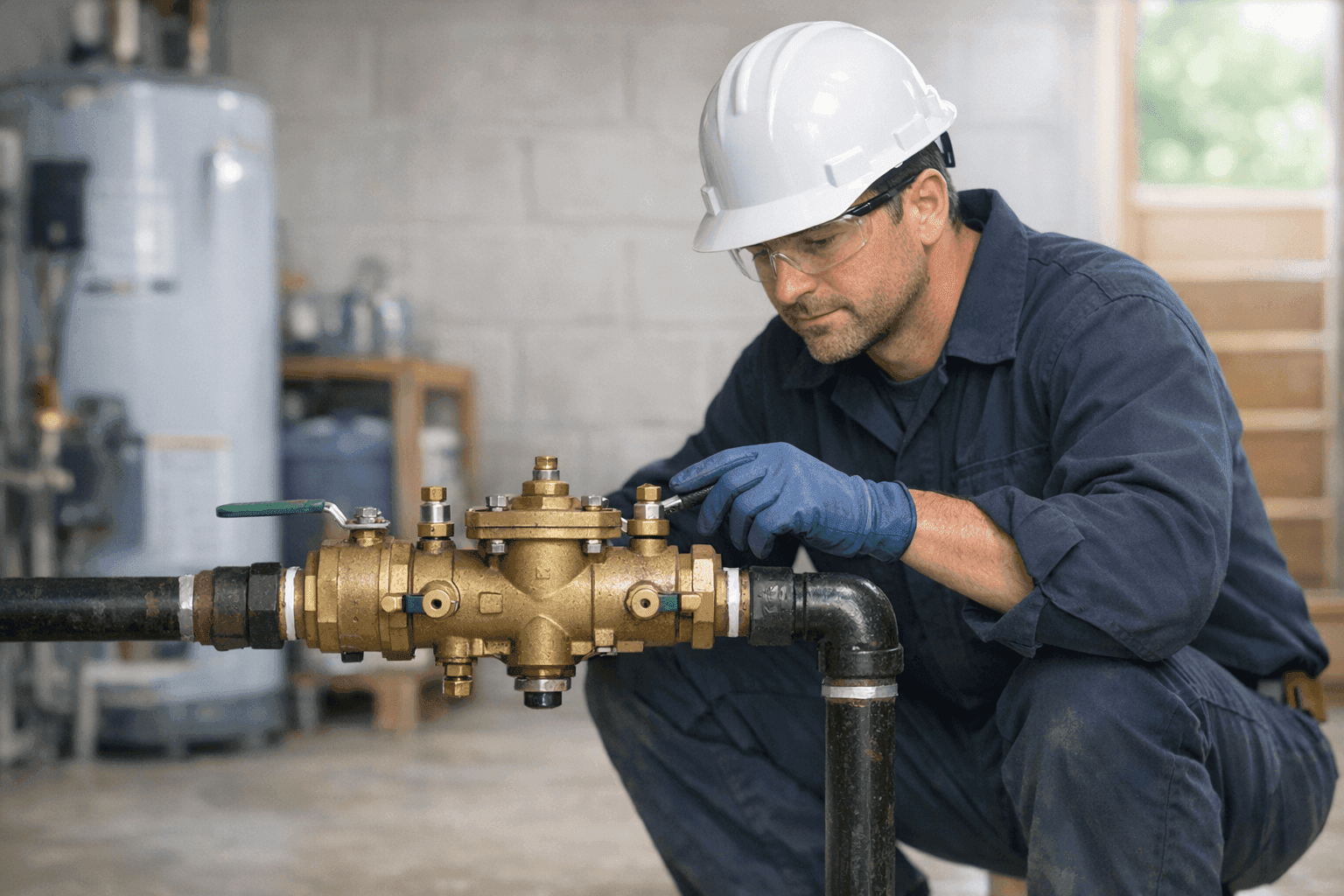
When you turn on the tap, you expect clean, safe water. It’s easy to take for granted—until something goes wrong. At Peters Flo Plumbing, we know that protecting your family’s water supply is about more than peace of mind. It’s about health, safety, and following the rules that keep our communities strong.
Backflow isn’t just a plumbing term. It’s a real risk that shows up when you least expect it—sometimes after a storm, a broken main, or just a simple pressure change. Let’s break down what backflow is, why it matters, and what every homeowner should know.
What Is Backflow? 🚰
Backflow is like a reversal in traffic on a one-way street—except it’s your water supply. Instead of water flowing into your house as it should, pressure problems can send contaminated water right back into your clean supply.
This isn’t just an inconvenience. Backflow can carry fertilizers, bacteria, chemicals, or even waste into your drinking water. It’s why backflow prevention should be on every homeowner’s radar.
Why Backflow Prevention Matters
Backflow isn’t just a plumbing issue—it’s a public health concern. According to the Environmental Protection Agency (EPA), even small amounts of contaminated water can cause illness or worse. Local codes (like those from the International Plumbing Code) require prevention devices for good reason.
Here’s why this matters:
- Protects drinking water from contaminants
- Meets legal requirements for residential plumbing
- Prevents costly repairs caused by contaminated pipes
- Safeguards family health and the neighborhood water supply
How Backflow Happens in Homes
Backflow can sneak up on you. It often strikes when something disrupts the normal pressure in your plumbing system.
Common triggers include:
- Broken water mains—when the city’s supply line breaks, pressure drops, and dirty water can get sucked in
- Fire hydrant use—sudden, large draws of water can reverse pressure
- Hose or sprinkler misuse—submerging hoses in pools, buckets, or ponds is risky
- Boiler or irrigation system failures—cross-connections without protection can send unwanted water backward
It’s like leaving a door wide open during a storm. Anything outside can blow in.
Key Backflow Prevention Devices 🛠️
There’s no single solution to backflow. Instead, homes rely on several types of devices, each with a specific job:
- Air Gaps: The simplest and most reliable—a physical space between the water outlet and the potential source of contamination (think: faucet above a sink).
- Atmospheric Vacuum Breakers (AVB): Prevents backflow by using air pressure. Common for garden hoses or irrigation.
- Pressure Vacuum Breakers (PVB) and Double Check Valve Assemblies (DCVA): Used for bigger systems like lawn sprinklers or pools. They stop contaminated water from returning if pressure drops.
- Reduced Pressure Zone (RPZ) Assemblies: The gold standard for high-risk setups. These actively release water if backflow is detected.
Choosing the right device depends on your plumbing, local codes, and risk level. A certified plumber can help you figure out what’s best.
Maintenance & Testing Schedules
Backflow prevention isn’t a set-it-and-forget-it job. Even the best devices need regular checkups.
Guidelines to follow:
- Annual professional testing—Most city codes require yearly testing by a certified plumber for devices like PVBs or RPZs. This is non-negotiable.
- Visual checks—Look for leaks, corrosion, or visible damage every few months.
- Seasonal prep—Test before spring irrigation or after winter freeze-thaw cycles.
Neglecting maintenance is like skipping oil changes on your car. It works—until one day, it doesn’t.
Signs You Need a Backflow Expert
Not all problems announce themselves, but some red flags mean it’s time to call in a certified plumber:
- Odd tasting or discolored water
- Visible debris in tap water
- Sudden drop in water pressure
- Unexplained puddles or leaks near devices
Even subtle changes matter. If something seems off, it’s safer to check than to wait.
High-Risk Scenarios for Backflow
Certain home setups are magnets for backflow risks. If you have any of these, extra caution is key:
Sprinkler Systems & Irrigation
Outdoor water lines are exposed to fertilizers, pesticides, and animal waste. Without proper backflow-prevention, those can find their way inside.
Pools & Hot Tubs
Filling a pool with a hose? If the hose is submerged and pressure drops, pool water can siphon back into your plumbing. Always use an air gap or a vacuum breaker.
Boilers & Heating Systems
Closed-loop systems can introduce chemicals or dirty water into your home supply if not properly isolated.
Garden Hoses
Never leave a hose submerged in a bucket, pond, or tank. It’s a tiny detail that can cause a huge headache.
Quick Homeowner Backflow Safety Checklist ✅
- Never submerge hoses in standing water
- Check that all outdoor faucets have backflow devices
- Schedule annual professional testing for installed devices
- After a storm or city water main repair, run taps for a few minutes to flush the system
- Know where your main shutoff valve is located in case of emergency
DIY vs. Call a Pro
You can spot-check for obvious leaks or broken devices, but most backflow prevention work should be handled by a certified plumber. Here’s why:
- Legal compliance: Testing and certification are often required by law
- Specialized tools: Many devices need pressure gauges and specific test kits
- Documentation: Official reports may be needed for insurance or compliance
For anything beyond a visual check, it’s best to book professional backflow testing.
What Pros Do On Arrival
Certified plumbers don’t just “look” at your device. They:
- Review the installation for code compliance
- Test the device using calibrated gauges
- Check for leaks, corrosion, and wear
- Complete paperwork for city or water authority records
If repairs are needed, they’ll explain the fix—and never upsell unnecessary work.
Prevention & Seasonal Maintenance Tips
- Winterize irrigation lines by draining before freezing weather
- Flush outdoor spigots in the spring before use
- Ask about upgrades if your system is more than 10 years old—newer devices may offer better protection
- Keep an eye on leaks—early leak detection can prevent bigger issues
Regular maintenance is your best insurance.
Common Mistakes That Lead to Backflow
- Ignoring annual testing requirements
- DIY installation of complex devices
- Failing to replace worn or broken parts
- Overlooking small leaks near irrigation or boiler lines
Don’t let a minor oversight lead to a major headache.
Backflow and Local Plumbing Codes
Every town has rules for backflow devices. The Uniform Plumbing Code and International Plumbing Code are the most widely adopted standards in the US. They require backflow protection on irrigation systems, pools, boilers, and anywhere a cross-connection could occur.
Tip: Always use a certified plumber familiar with your area’s requirements for compliance and safety.
How to Spot Backflow Problems Before They Get Urgent
Early detection saves money and prevents health scares. Be on the lookout for:
- Water that tastes or smells strange
- Sudden changes in water clarity or pressure
- Leaks around backflow devices or outdoor spigots
If you notice any of these signs, schedule leak detection right away.
FAQ: Homeowner Questions About Backflow
Q: Do I really need annual backflow testing? Yes. Most areas require it by law, and it’s the only way to know your device works.
Q: Can I install a backflow preventer myself? For simple hose bibs, maybe. For irrigation, pools, or boilers, always call a pro.
Q: What happens if I skip maintenance? You risk water contamination, fines, and expensive repairs.
Q: Who’s allowed to test my backflow device? Only certified plumbers registered with your local water authority.
When Backflow Is an Emergency 🚨
If you suddenly notice a drop in water pressure, discoloration, or a public health advisory, turn off your water at the main shutoff and call for immediate help. Don’t wait—waterborne illnesses can spread fast.
Your Role in Water Safety
Homeowners are the first line of defense. Staying alert, asking questions, and scheduling regular inspections keep your household and your neighbors safe.
If you’re searching for a high-quality plumber for backflow prevention near you, especially in Orangetown, check out our service area for plumbing in Orangetown.
The Bottom Line
Backflow prevention is one of the unsung heroes of modern plumbing. With the right devices, regular checkups, and a little know-how, you can keep your home’s water clean and safe all year long.
Call Peters Flo Plumbing now — or reach us anytime at 877-331-9687 .