Water Heater Repair: Common Problems and Fast Fixes
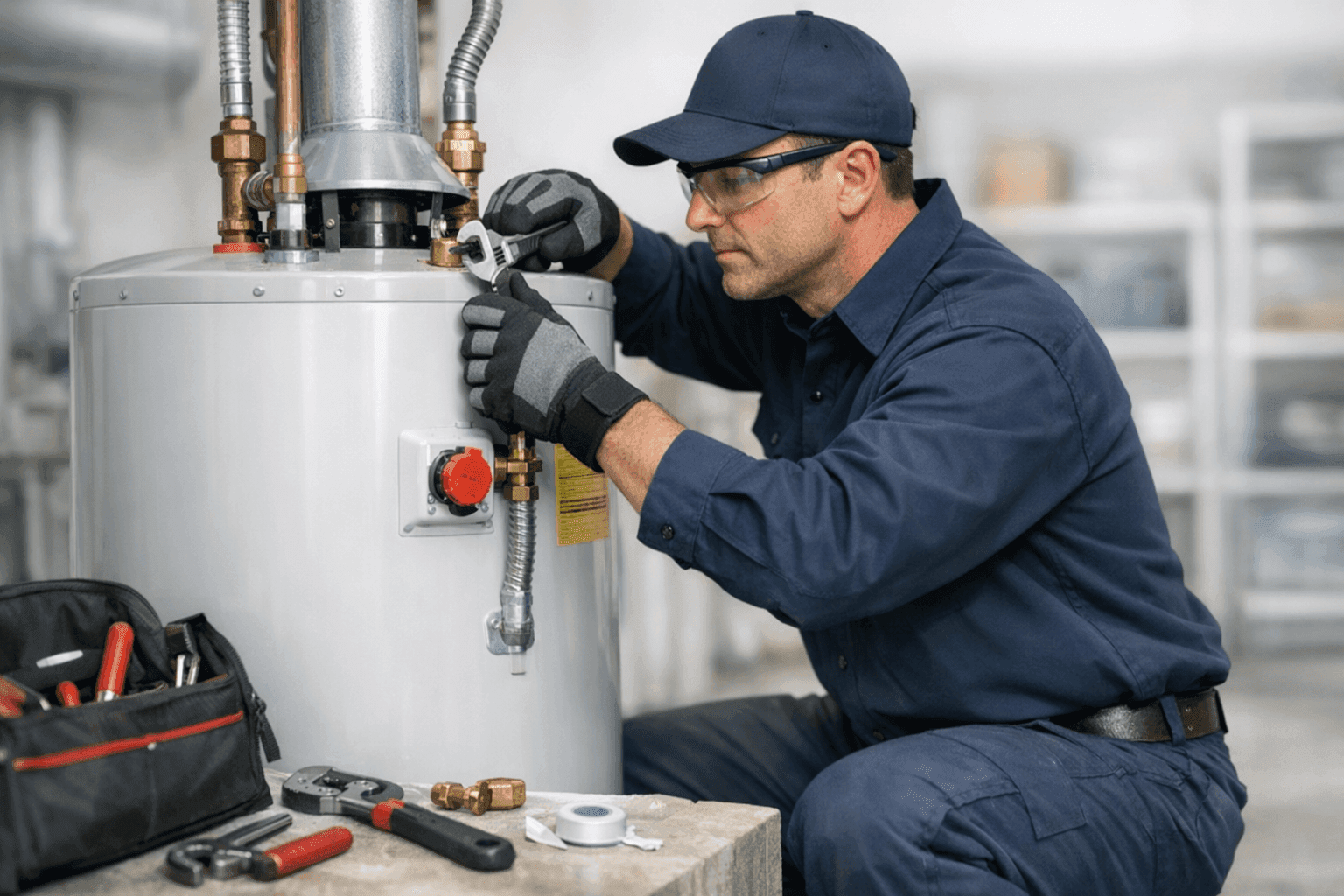
Your water heater is the unsung hero of your home. It quietly delivers hot showers, clean dishes, and warm baths—until suddenly, it doesn’t. When the hot water runs cold or you spot a puddle under the tank, panic can set in fast.
At Peters Flo Plumbing, we’ve seen it all. We understand that water heater problems can disrupt your daily comfort. Let’s walk through the most common issues, practical fixes, and when it’s time to call in a plumbing professional.
Common Water Heater Problems 🚿
Water heaters don’t just stop working out of nowhere. Most issues give off warning signs. Here are the big ones:
- No Hot Water: The most obvious—and frustrating—problem. Could be a faulty thermostat, heating element, or even a tripped breaker.
- Leaks: Water pooling around the base? Dripping from pipes or the tank itself? Leaks can signal anything from a loose valve to serious internal corrosion.
- Strange Noises: Banging, popping, or rumbling sounds? That’s usually sediment buildup inside the tank, making the heater work overtime.
- Rusty or Discolored Water: If hot water looks brown or rusty, the tank’s interior lining may be failing—or it could be rust in the pipes.
- Low Hot Water Pressure: Mineral deposits or faulty valves can choke off your flow.
- Water That’s Too Hot or Too Cold: Thermostat issues or a broken mixing valve can send the temperature swinging.
Water heaters rarely fix themselves. Addressing small problems early can prevent costly repairs or replacements down the road.
Quick Safety Checklist Before You Start
Before you reach for your toolbox, pause. Water heaters combine water, electricity (or gas), and heat. That’s a risky mix.
- Turn Off Power: Switch off the breaker (for electric) or set gas to “pilot.”
- Shut Off Water Supply: Close the cold water valve above the heater.
- Let the Tank Cool: Hot water can cause severe burns.
- Never Open the Tank While Pressurized: Always release pressure by opening a hot water faucet elsewhere.
- Smell Gas? Stop. Leave the area and call a professional immediately.
If you’re ever unsure, it’s safer to call for help.
DIY Troubleshooting Steps
Some water heater fixes are straightforward. Others need a trained hand. Here’s what you can try at home:
No Hot Water
- Electric Units: Check the circuit breaker. Reset if tripped. Still cold? The heating element or thermostat may need replacement.
- Gas Units: Look for a pilot light. If it’s out, follow the manufacturer’s instructions to relight. If it won’t stay lit, call a plumber.
Leaks
- Check Connections: Tighten loose pipe fittings.
- Drain Valve: Make sure it’s fully closed.
- TPR Valve (Temperature & Pressure Relief): If leaking, it could be faulty or pointing to dangerous pressure inside the tank.
Noises
- Flush the Tank: Sediment collects at the bottom. Connect a hose to the drain valve and flush until water runs clear (see your owner's manual).
- Listen for Changes: If noise persists after flushing, the heating element may need inspection.
Water Temperature Issues
- Adjust Thermostat: Set to 120°F (49°C) for safety and efficiency. Too high increases scald risk, too low invites bacteria.
If you tried these and the problem sticks around, don’t force it. Over-tightening parts or poking at gas lines can do more harm than good.
When to Call a Professional
Some problems are bigger than a loose fitting or a tripped breaker. Call Peters Flo Plumbing if you notice:
- Persistent Leaks: Water outside the tank can indicate rust or cracks. These often require tank replacement.
- Discolored Water: Could be tank corrosion—a sign it’s time for a new unit.
- No Hot Water After Resetting Everything: Heating elements, thermostats, or gas controls may need replacement.
- Gas Smells: Any whiff of gas is an emergency. Leave the home and call right away.
- Strange Sounds After Flushing: Deep rumbling or popping can mean dangerous pressure or internal damage.
We’ll diagnose issues safely and find the most cost-effective solution.
Typical Water Heater Repair Costs & Part Replacement
We get it: nobody likes surprise expenses. Here’s what to expect:
- Heating Element/Thermostat Replacement: $150–$350 (parts and labor, average range).
- Leaking Valve Repair: $100–$250, depending on parts.
- Anode Rod Replacement: $120–$250. This simple part can add years to your tank’s life.
- Full Tank Replacement: $1,200–$3,000, depending on model and size.
Repairs are usually less than replacement, but if your unit is more than 10–12 years old, new models are more efficient and safer. We’ll talk you through your options.
How the Pros Tackle Water Heater Repairs
When Peters Flo Plumbing arrives, here’s what you can expect:
- Thorough Inspection: We check connections, valves, thermostats, and the tank’s integrity.
- Diagnostic Tests: For both gas and electric units, we use safe, code-compliant methods.
- Clear Explanation: You get a straight answer—what’s wrong, what it takes to fix, and estimated time/cost.
- Code Compliance: All repairs follow manufacturer recommendations and safety codes (see International Association of Plumbing and Mechanical Officials and local codes).
- Cleanup: No mess left behind.
Our licensed plumbers handle everything from minor leaks to full water heater installations. For more details on our installation services, see Water Heater Installation.
Water Heater Emergencies: What Counts?
Sometimes, waiting isn’t an option. Call for emergency plumbing if:
- Water is gushing or flooding: Shut off the main supply and call immediately.
- No hot water and you have vulnerable family members (infants, elderly, medical needs): Fast repairs keep everyone safe and comfortable.
- Gas leaks or burning smells: Evacuate and call us from a safe place.
For urgent repairs, Peters Flo Plumbing is just one call away.
Preventative Maintenance: Keep Your Heater Running Smoothly 🛠️
Just like your car, your water heater needs regular care. Small steps can prevent big problems:
- Flush the Tank Annually: Removes sediment, boosts efficiency, and extends tank life.
- Check the Anode Rod: This “sacrificial” rod prevents rust inside your tank. Replace every 3–5 years.
- Inspect Valves and Fittings: Look for rust, leaks, or mineral buildup.
- Set the Right Temperature: 120°F (49°C) balances safety and performance.
- Schedule Annual Plumbing Inspections: Catch issues before they become emergencies.
For more routine plumbing needs, our Leak Repair service can help prevent water damage and save money in the long run.
Signs Your Water Heater Needs Attention
Don’t ignore these red flags:
- Water takes longer to heat up
- Pilot light won’t stay lit
- Surge in energy bills
- Water smells metallic or rotten
- Visible rust on the tank
Listening to your water heater can save you from a cold shower—or worse, a flood.
Common Mistakes Homeowners Make
- Ignoring small leaks: Even a drip can grow into a costly repair.
- Cranking up the temperature: Higher temps don’t speed up heating, they just waste energy.
- Skipping annual maintenance: Out of sight shouldn’t mean out of mind.
- DIY gas repairs: Never attempt these—gas lines require licensed professionals.
How Long Does a Water Heater Repair Take?
Most fixes—like replacing a heating element or valve—take 1–2 hours. Full tank replacements can run 3–5 hours, depending on home layout and venting needs. We always work efficiently, with as little disruption as possible.
Is It Time to Replace? Or Repair?
We’ll always try to repair first, but sometimes replacement is the smarter choice:
- Age: If your unit is over 10–12 years old, new models are safer and cheaper to run.
- Frequent Breakdowns: Multiple repairs in a year? Time to consider a replacement.
- Severe Rust or Corrosion: These can’t be patched.
We’ll explain your options clearly, with no pressure.
Water Quality and Your Water Heater
Hard water is rough on tanks. It causes scale, clogs, and reduces efficiency. If you’ve noticed buildup or discoloration, ask about our water filtration systems to protect both your heater and your plumbing.
Seasonal Considerations for Water Heater Performance
- Winter: Cold incoming water means your heater works harder. Sediment and ice can cause more frequent problems.
- Summer: Demand may drop, but that’s a great time for flushing and maintenance.
Regular checkups keep your heater working reliably, year-round.
Water Heater FAQs
How long should my water heater last? Most last 8–12 years. Regular maintenance can stretch that.
Is it safe to repair my own heater? Simple tasks like resetting the breaker or flushing the tank are usually safe. Anything beyond that—especially involving gas or electricity—should be handled by a licensed plumber.
What size water heater do I need? Depends on family size and hot water usage. We’ll help you choose the right fit during installation.
Find Plumbing Help Near You
If you’re searching for plumbing services near Las Cruces, Peters Flo Plumbing can help with water heater issues and all your home’s plumbing needs.
Final Thoughts
Your water heater is essential. A little attention now can prevent big, expensive headaches later. Whether you need a quick fix, annual maintenance, or a full replacement, Peters Flo Plumbing is here for you.
Call Peters Flo Plumbing now — or reach us anytime at 877-331-9687 .