How Much Does Water Heater Repair Cost? Pricing Factors Explained
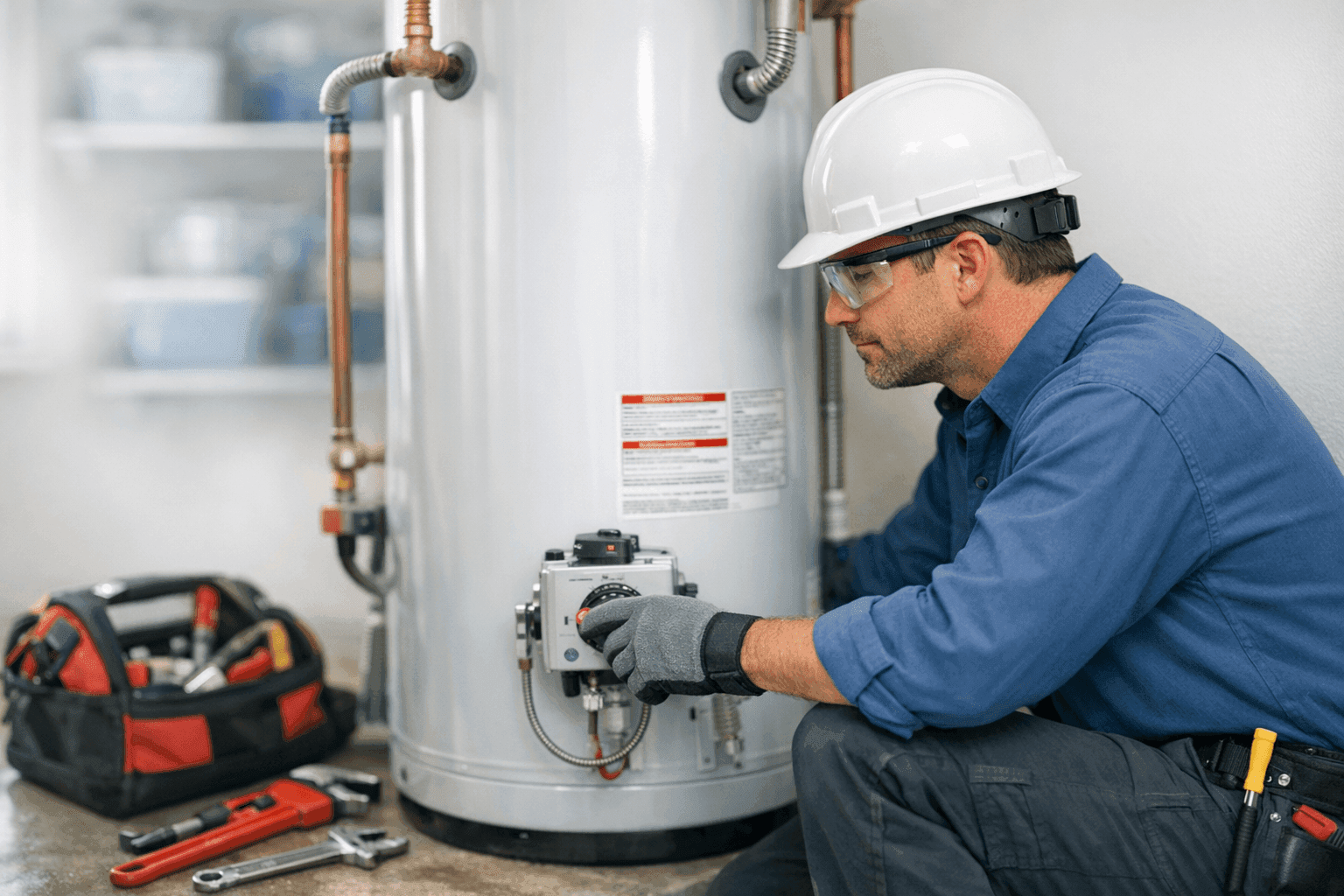
Is your morning shower suddenly icy? Or maybe you hear strange noises from the water heater closet? When a water heater acts up, it doesn’t just disrupt comfort—it can upend the whole household routine. The first question most homeowners ask is, “How much is this going to cost me?”
At Peters Flo Plumbing, we know that clear answers help you make smart decisions. Let’s take a closer look at what drives water heater repair costs, the warning signs to watch for, and how you can keep expenses in check.
Common Water Heater Problems
Water heaters are built to last, but over time, even the best models can falter. Most issues fall into a handful of categories:
- No hot water: Often a failed heating element or thermostat.
- Leaking tank or pipes: May signal corrosion, loose fittings, or a failing seal.
- Strange noises: Banging or popping usually means sediment buildup inside the tank.
- Rusty or discolored water: Signals rust inside the tank or pipes.
- Water too hot or not hot enough: Thermostat issues or sediment covering the heating element.
Each problem brings its own set of repairs and related costs. Some fixes are simple—others hint at deeper trouble.
Cost by Repair Type 💧
What does it actually cost to fix a water heater? It depends on the problem, the type of heater, and a few other key factors.
- Thermostat or element replacement: Often $100–$350, including parts and labor.
- Pressure relief valve: Usually $100–$250.
- Anode rod replacement: $150–$300, depending on accessibility.
- Leak repairs (pipe or fitting): $150–$500, based on severity and location.
- Complete flush for sediment: $100–$200.
- Tank replacement: If the tank itself fails, replacement is often the only option.
Those are general ranges—actual prices vary based on your local market, the age and model of your water heater, and how easy it is to get to the unit.
Tank vs. Tankless Repairs
Water heaters come in two main flavors: tank-style and tankless. Each has unique repair demands.
Tank Water Heaters
- Parts are usually less expensive.
- Repairs can be straightforward.
- Older tanks: If your tank is over 10 years old, repairs may not be cost-effective.
Tankless Water Heaters
- Complex electronics: Repairs often require specialized knowledge.
- Parts can cost more, especially for high-tech units.
- Descaling is essential: Hard water can shorten lifespan without regular care.
Both types should be evaluated by a licensed plumbing professional for accurate diagnosis and repair.
Labor, Parts, and Accessibility
It’s not just about swapping out a part. Labor is a major part of the bill. Here’s why:
- Difficult access: Water heaters tucked into tight closets or attics take more time to work on.
- Local code requirements: Some repairs require permits or upgrades to meet building codes (see International Residential Code guidelines).
- Specialty parts: Older or rare models may need parts that are harder to source.
Expect higher labor costs if your water heater is in a tricky spot or if the job requires more than one technician.
Is It Time to Replace Instead of Repair?
Sometimes, pouring money into an old water heater is like patching a leaky bucket. Here’s when replacement is the smarter move:
- Unit is over 10-12 years old
- Multiple repairs in the past year
- Visible rust or corrosion on the tank
- Leaking from the tank itself (not just fittings)
- Energy bills increasing without explanation
A new water heater costs more upfront, but you’ll save on recurring repairs and likely see lower energy bills. For those ready to consider an upgrade, see our water heater installation service for options.
Spotting Trouble Early: What to Watch For
Not sure if you need a pro? Keep an eye out for these signs:
- Water pooling near the unit
- Inconsistent water temperatures
- Pilot light won’t stay lit (for gas heaters)
- Unusual smells or discoloration in hot water
Early action can prevent small issues from turning into costly emergencies.
How Pros Diagnose and Repair
When a Peters Flo Plumbing technician arrives, here’s what you can expect:
- Visual inspection: Check for leaks, corrosion, and obvious damage.
- Testing components: Multimeter tests for elements and thermostats.
- Code compliance: Ensure repairs meet local building and safety codes.
- Transparent advice: We’ll walk you through repair vs. replacement choices.
A good plumbing pro brings both the right tools and the right questions.
DIY Fixes: When to Try, When to Call
Some minor issues, like relighting a pilot or adjusting the thermostat, are safe for handy homeowners. But for anything involving electricity, gas, or pressurized water, it’s best to call a licensed plumber. Mistakes can lead to dangerous leaks or even house fires. Safety first, always.
Saving Money on Water Heater Repairs 🛠️
Repairs can add up. Here are some practical ways to keep costs down:
- Flush the tank annually to prevent sediment buildup.
- Install a water softener if you have hard water.
- Check the anode rod every 2–3 years—it helps prevent tank corrosion.
- Insulate pipes and the tank to reduce wear and tear.
Preventative care is always less expensive than emergency repairs. For ongoing care, our preventative maintenance service covers water heaters and more.
Time, Disruption, and What to Expect
Repairs can take anywhere from 30 minutes for a quick thermostat swap to several hours for complex leak repairs. Most jobs wrap up in a day. If replacement is needed, expect some disruption—especially if new plumbing or venting is required.
Emergency Repairs: What Counts and What to Do
No hot water in winter? Flooding in the utility room? Some water heater issues can’t wait. Shut off power (electric or gas) and water supply, then call a plumber right away. Fast action can limit property damage.
Plumbing Codes and Safety Guidelines
All repairs should align with the International Residential Code (IRC) and local plumbing standards. Licensed plumbers stay up to date on requirements for venting, earthquake strapping, and pressure relief systems.
Frequently Asked Questions
How long should a water heater last?
Most tank models: 8–12 years. Tankless: up to 20 years with good maintenance.
Can I repair a leaking tank?
If the leak is from the tank itself (not fittings), replacement is usually required.
Does homeowners insurance cover water heater repairs?
Usually not for wear and tear, but may help with water damage from sudden failures. Check your policy.
Avoiding Common Mistakes
- Delaying repairs can turn a small issue into a major headache.
- Ignoring strange noises or leaks risks bigger bills down the line.
- Trying to DIY gas or electric repairs is dangerous and can void warranties.
Seasonal Considerations
Cold weather puts extra strain on water heaters—especially older units. Winter is a busy season for repairs. Schedule maintenance before the first freeze hits.
When to Seek Local Plumbing Help
If you’re facing water heater issues and need reliable plumbing near you, our Moore plumbing team is ready to help. Quick, professional service keeps your home comfortable and safe.
Final Thoughts
Water heater repair costs aren’t one-size-fits-all. With the right information, you can make smart decisions—whether it’s a quick fix, a preventive tune-up, or replacing an aging unit.
Call Peters Flo Plumbing now — or reach us anytime at 877-331-9687 .