Water Heater Installation: Choosing the Right System for Your Home
Are you tired of cold showers or waiting forever for hot water? The right water heater can turn those daily frustrations into comfort and convenience. At Peters Flo Plumbing, we know the difference a well-chosen system makes—and how costly the wrong one can become, both for your wallet and your peace of mind.
There's no one-size-fits-all solution. Every home, every family, every budget is unique. Our plumbing team helps homeowners choose wisely, ensuring reliable hot water and long-term savings.
Types of Water Heaters: Tank, Tankless, Hybrid 🚰
Water heaters come in more flavors than just "big and bulky." Let's break down your main choices:
Traditional Tank Water Heaters
Think of these as the classic "water reservoir." They store hot water in a big insulated tank, ready to go when you need it. They're reliable, familiar, and usually less expensive up front. But they use energy keeping water hot all day—even when you're not home.
Best for: Larger families with steady, high demand.
Tankless (On-Demand) Water Heaters
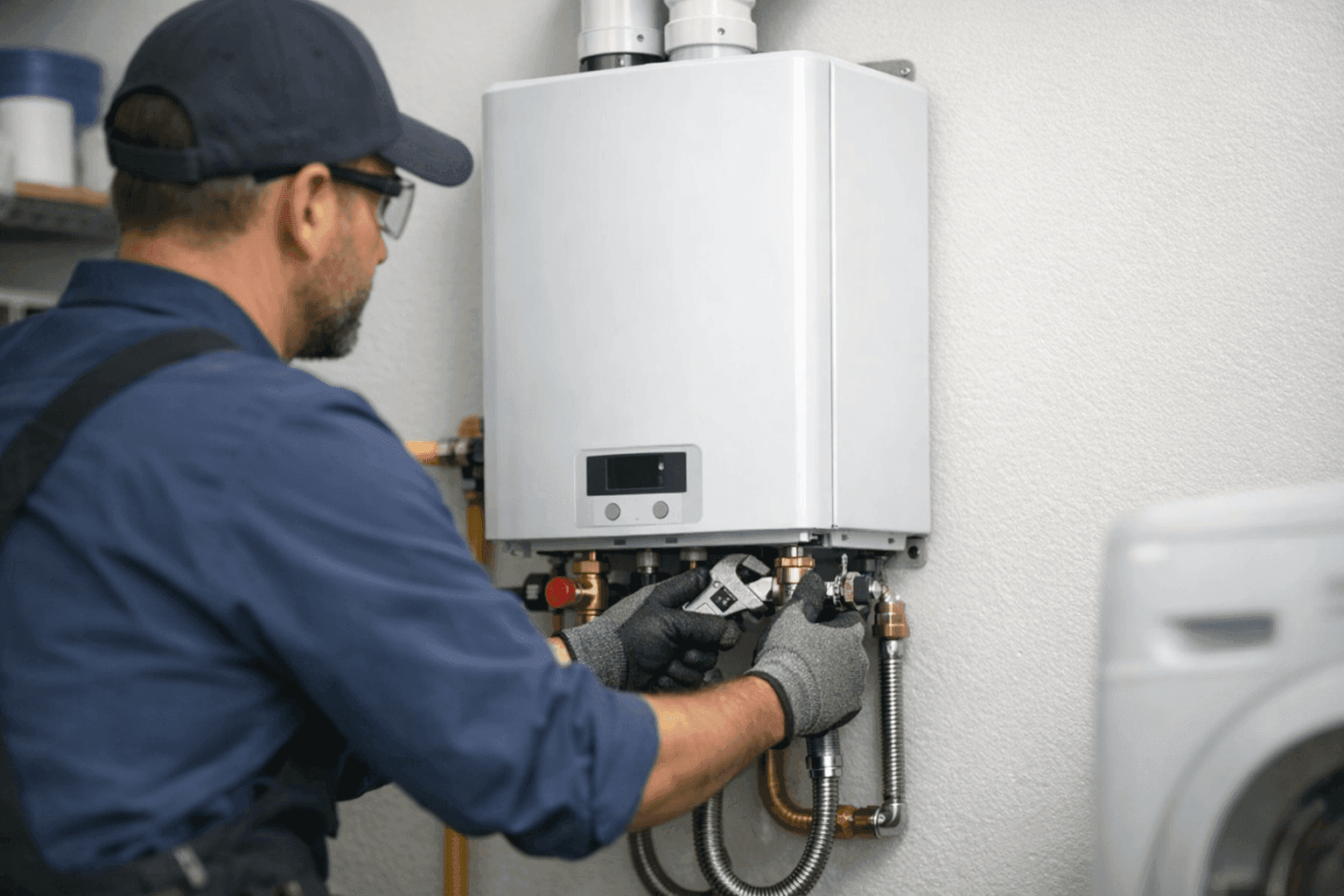
Imagine turning on the faucet and having hot water flow instantly—like magic. Tankless heaters heat water only when you need it, using powerful burners or electric coils. No storage tank, so they're wall-mounted and space-saving.
Best for: Smaller households, energy-conscious owners, or anyone tired of running out of hot water mid-shower.
Hybrid (Heat Pump) Water Heaters
These smart systems blend tank storage with heat pump tech, pulling warmth from the air to heat water. They're efficient—often twice as efficient as standard tanks—but require a bit more space and upfront investment.
Best for: Homes with moderate to high hot water use and room for a larger unit.
Key Factors to Consider When Choosing
It's easy to get lost in specs and sales pitches. Focus on what matters for your home:
- Household Size: More people = more hot water needed.
- Hot Water Usage Patterns: Frequent showers, laundry, or dishwasher cycles? That adds up.
- Space: Tankless models fit tight spaces. Tanks and hybrids need room to breathe.
- Fuel Type: Gas, electric, or even solar—each affects running costs and installation.
- Budget: Factor in both upfront cost and long-term energy bills.
- Local Plumbing Codes: Some cities require permits or certain efficiency standards. Peters Flo Plumbing always installs to current building and safety codes (see the Department of Energy's water heater guidelines for more).
Energy Efficiency & Cost Savings
Think of energy efficiency as a leaky bucket: the less heat your system loses, the less you pay. Tankless and hybrid models usually cost less to run than standard tanks, but savings depend on your water use and energy rates.
- Tankless heaters: Can cut energy use by 24–34%, according to the U.S. Department of Energy, especially in homes that use less than 41 gallons a day.
- Hybrid models: Use electricity more efficiently, often paying for themselves in a few years.
- Insulate pipes (see our pipe installation service) to boost any system's efficiency.
Ask our team for a personalized cost analysis—we’ll compare models and help you see the bigger picture.
Installation Process Overview 🛠️
Wondering what to expect on installation day? Here’s the streamlined process our licensed plumbers follow:
- Assessment: We size the system to your home’s needs and check for any issues—like old pipes or outdated venting.
- Prep Work: Water and gas lines are safely shut off. Old units are carefully drained and removed.
- Installation: New heater, valves, and connections go in, always up to code.
- Testing: We run water, check for leaks, and verify safe operation.
- Cleanup: No mess left behind. We treat your home like our own.
Most jobs, from tank replacement to water heater installation, wrap up in a half day. Tankless upgrades or hybrids may require extra hours for electrical or venting.
Safety First: A Quick Checklist
- Venting: Gas and hybrid units must vent safely to the outdoors.
- Pressure Relief Valve: Always installed, always tested.
- Electrical & Gas Connections: Inspected for leaks and code compliance.
- Permits: Pulled and closed out where required.
Our team stays current with local and national safety codes, including the National Fuel Gas Code and Uniform Plumbing Code.
DIY vs. Professional Installation
Hot water heaters aren’t a “plug and play” appliance. They’re more like a car engine—complex, powerful, and potentially dangerous if mishandled. Mistakes with gas lines, water pressure, or venting can risk property and safety.
A pro plumber does more than just hook things up—they check for code compliance, test for leaks, and ensure your system’s set up to last.
Common Mistakes Homeowners Make
- Wrong size: Too small and you’re left shivering; too big and you waste energy.
- Improper venting: Can lead to carbon monoxide risk.
- Skipping permits: Could mean trouble when selling your home.
- Ignoring water quality: Hard water ruins tanks fast—consider a filtration system.
When It’s an Emergency 🚨
A water heater leak is more than a nuisance; it can cause water damage fast. If you spot pooling water, rusty supply lines, or a rotten egg smell (gas leak!), turn off the heater and water supply, then call a professional—immediately.
Timeline & Disruption: What to Expect
Most standard installations take 2–4 hours. Upgrades, like switching from a tank to tankless, might stretch to a full day. We’ll coordinate with your schedule and keep water downtime to a minimum.
You can expect some noise, a short period without hot water, and a bit of dust. But there’s no need to clear out your whole home—just make sure the area around your heater is accessible.
Materials & Equipment: Behind the Scenes
We use only code-approved piping, shut-off valves, and venting materials. Our team double-checks all fittings and uses insulated pipes for better efficiency. Quality installation today means fewer calls for water heater repair tomorrow.
Maintenance Tips for a Longer Life 🧰
Keep your new water heater running smoothly with these habits:
- Flush the tank annually: Removes sediment buildup that can reduce efficiency.
- Check the anode rod: Replace every 3–5 years to prevent rust.
- Inspect for leaks: Look around the base and pipes monthly.
- Adjust the temperature: 120°F is hot enough for comfort, but not so hot it risks scalding.
- Listen for odd noises: Rumbling or popping can signal sediment buildup.
If you’re not sure how to perform these checks, schedule preventative maintenance with Peters Flo Plumbing. We’re happy to walk you through it or handle the tune-up for you.
Signs of Water Heater Trouble
Don’t ignore these red flags:
- Water takes too long to heat
- Rust-colored water from the hot tap
- Strange banging sounds
- Water pooling near the unit
- Sudden spikes in energy bills
Spot any of these? It’s time for an inspection.
Seasonal Considerations
Cold winters can push your heater to work overtime. Check insulation on pipes and around the heater itself. In summer, consider lowering the temperature a notch to save energy.
FAQ: Your Water Heater Questions Answered
How long do water heaters last?
Most tank heaters: 8–12 years. Tankless: up to 20 years with care.
Can I install a water heater myself?
For safety and code reasons, it’s best to call a licensed plumber.
What size do I need?
It depends on family size and usage. We’ll calculate the right fit during our assessment.
Do I need to upgrade my pipes?
Sometimes, especially if your plumbing is old or undersized. Our team checks this as part of every installation.
Real-World Scenario: A Hot Water Makeover
The Johnsons were tired of cold showers every morning. Their old tank couldn’t keep up. After a quick assessment, we recommended a tankless upgrade. The result? Endless hot water, lower bills, and more space in their basement. Problems solved with the right system—installed safely and efficiently.
Find Plumbing Solutions Near You
If you need water heater installation or want tips about Backflow Prevention near you, Peters Flo Plumbing stands ready to help with every aspect of your home's plumbing.
Ready for Reliable Hot Water?
Don’t let another cold shower spoil your day. Whether you need a new water heater or just want to talk options, our licensed plumbers are here to help—no pressure, just real solutions.
Call Peters Flo Plumbing now — or reach us anytime at 877-331-9687 .