Water Filtration vs. Water Softeners: What’s the Difference?
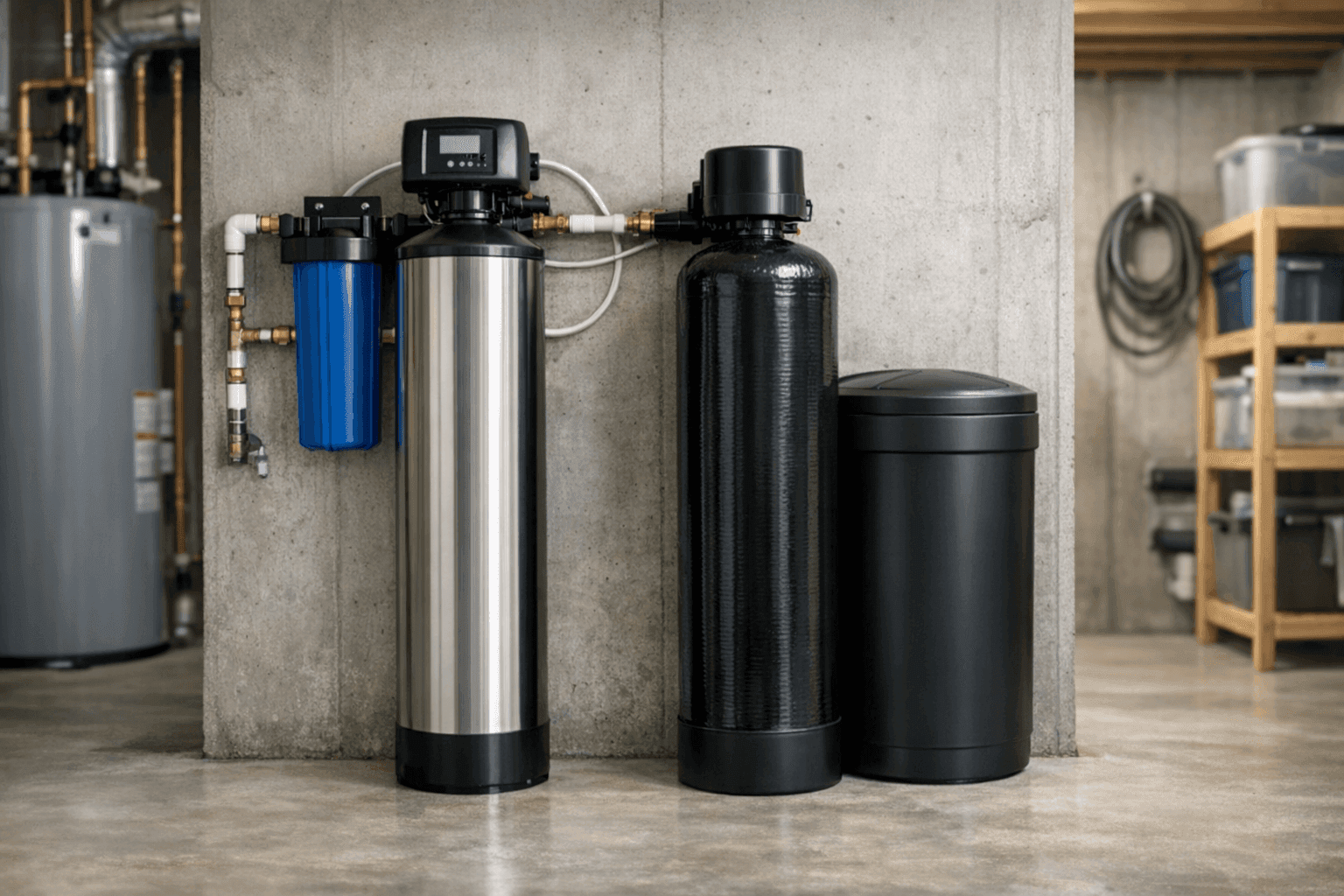
Do you ever wonder if the water coming out of your tap is as clean as it should be? Or maybe you’re tired of scrubbing stubborn spots off your shower doors? You’re not alone. Many homeowners face the same questions—especially when deciding between a water filtration system and a water softener.
At Peters Flo Plumbing, we know how overwhelming plumbing decisions can feel. We’re here to demystify the differences and help you choose what’s best for your family, your pipes, and your peace of mind.
Filtration vs. Softening: The Basics 🧩
Think of water filtration and water softening as two different tools in your home’s water toolbox. They tackle separate problems, but both can make life a lot easier.
- Water filtration is like a security guard for your tap, blocking out unwanted guests like chlorine, sediment, bacteria, and sometimes even lead.
- Water softening is more like a peacemaker, calming down the “hard” minerals (calcium and magnesium) that make your water harsh on skin and appliances.
Both improve water quality, but in different ways. So, which one do you need?
How Each System Works
Water Filtration: The Gatekeeper
Water filtration systems act like a sieve. They physically (and sometimes chemically) remove contaminants as water passes through. Depending on the filter, this could include:
- Sediment (dirt, rust)
- Chlorine and chloramines
- Bacteria and parasites
- Heavy metals (like lead or copper)
- Pesticides and other chemicals
Some systems use activated carbon, others use reverse osmosis or UV light. Each has its own strengths—think of them as different levels of defense.
Water Softeners: The Peacekeepers
Water softeners don’t actually “clean” your water. Instead, they swap out calcium and magnesium ions for sodium or potassium ions using a process called ion exchange. This keeps “hard” minerals from sticking to your pipes, your dishes, and your skin.
The result? Less scale buildup, longer-lasting appliances, and fewer spots on your glassware.
When to Choose Each
So, which is right for your home?
Choose a Water Filtration System If...
- Your water smells or tastes odd, or you’re concerned about contaminants.
- You want to remove chlorine, sediment, or specific pollutants.
- You want healthier water for drinking and cooking.
Choose a Water Softener If...
- You notice white, chalky buildup on faucets, showerheads, or dishes.
- Soap doesn’t lather well, or your skin feels dry after bathing.
- Your appliances (like your water heater) show signs of scale.
Sometimes, You Need Both
It’s not uncommon for homes to benefit from both systems. For example, you might have hard water and want to remove chlorine or lead. In some areas, this combination is recommended by plumbing code and local health guidelines.
How to Tell What’s in Your Water
Before you invest, it pays to know what problem you’re solving.
- Check your city’s annual water quality report. This is often available online.
- Test your water. Home test kits are widely available, or you can have a professional plumber collect a sample.
- Look for signs. Stains, tastes, smells, and residue are all clues.
The EPA offers guidelines for acceptable contaminant levels. If your results are over those limits, it’s time to act.
Installation Tips: What to Expect
For Water Filtration Systems
- Most whole-home filters are installed where your water line enters the house.
- Under-sink and countertop units are common for drinking water.
- Filters need to be changed regularly—set a reminder so your system keeps working.
For Water Softeners
- Installed near your water main, often in the basement or utility closet.
- The unit needs access to a drain and electricity.
- Softener salt must be added periodically.
A professional plumber will ensure proper sizing, safe installation, and compliance with local plumbing codes (see the International Plumbing Code for reference).
DIY vs. Call a Pro
Some small filters (like pitcher or faucet filters) are DIY-friendly. But for most whole-home systems or water softeners, professional installation is strongly recommended. Incorrect installation can cause leaks, loss of water pressure, or even backflow issues—which can risk contaminating your neighborhood’s water supply.
If you’re searching for Backflow Prevention near you, Peters Flo Plumbing can help. For more information, see our backflow prevention service page.
Safety and Backflow Prevention
Any system that connects to your home’s water supply should be installed with backflow prevention in mind. This protects your clean water (and your neighbors’) from contamination. Many areas require backflow preventers by law, especially when installing water softeners or filtration systems with drain connections.
Maintenance Matters
Both systems need regular checkups.
- Filtration systems: Change filters as directed. If you forget, contaminants can sneak through.
- Softeners: Add salt and check for salt bridges (hard crusts that form in the tank).
- Schedule annual inspections—many issues are easy to fix if caught early.
Costs & Timeline
Installation costs and time can vary:
- Filtration: Simple under-sink filters take an hour or less. Whole-home systems may take half a day.
- Softeners: Most installs can be done in a few hours by a plumber.
- Budget: Expect a few hundred to a couple thousand dollars, depending on system size and complexity.
Remember, a good system is an investment in your home’s health and longevity.
Common Mistakes to Avoid
- Buying a softener to fix smelly or dirty water (it won’t).
- Ignoring filter replacement schedules.
- Installing without considering local codes or backflow requirements.
- Not testing water before choosing a system.
When It’s an Emergency 🚨
Most water issues aren’t emergencies—but if you notice a sudden drop in pressure, discolored water, or flooding, call a plumber immediately. Fast action can prevent bigger problems down the road.
FAQ: Your Top Water Quality Questions
Q: Can a water softener remove lead or chlorine?
A: No—softeners only handle minerals. Use a filter for chemicals or metals.
Q: Will a filter fix hard water?
A: No—filters remove contaminants, not minerals. Choose a softener for hard water.
Q: How do I know what’s in my water?
A: Use a test kit, ask your water supplier, or contact a plumber for professional testing.
Q: Is installation disruptive?
A: For most homes, a pro can install in a few hours with minimal mess.
Signs Your System Needs Attention
- Water tastes or smells off, even after installation.
- Pressure drops suddenly.
- Visible leaks or water pooling near the unit.
- Salt or scale buildup returns.
Don’t wait—these are signs it’s time to call a plumber.
Prevention: Keeping Water Clean Year-Round
- Replace filters and salt as scheduled.
- Check for leaks or drips monthly.
- Have yearly inspections—especially before winter, when freezing can cause pipe problems.
Choosing the Right System: Decision-Making Guide
- Test your water first.
- Match the system to the problem: filter for contaminants, softener for hard water.
- Consider your family’s needs and plumbing setup.
- Factor in ongoing maintenance—both time and cost.
If you’re local and searching for reliable plumbing services in Sioux Falls, we’re ready to help with everything from water quality to emergency repairs.
Final Thoughts
The right water treatment system can make your home safer, cleaner, and more comfortable. Still unsure? That’s what we’re here for.
Call Peters Flo Plumbing now — or reach us anytime at 877-331-9687 .