Water Filtration Systems: Do You Need One at Home?
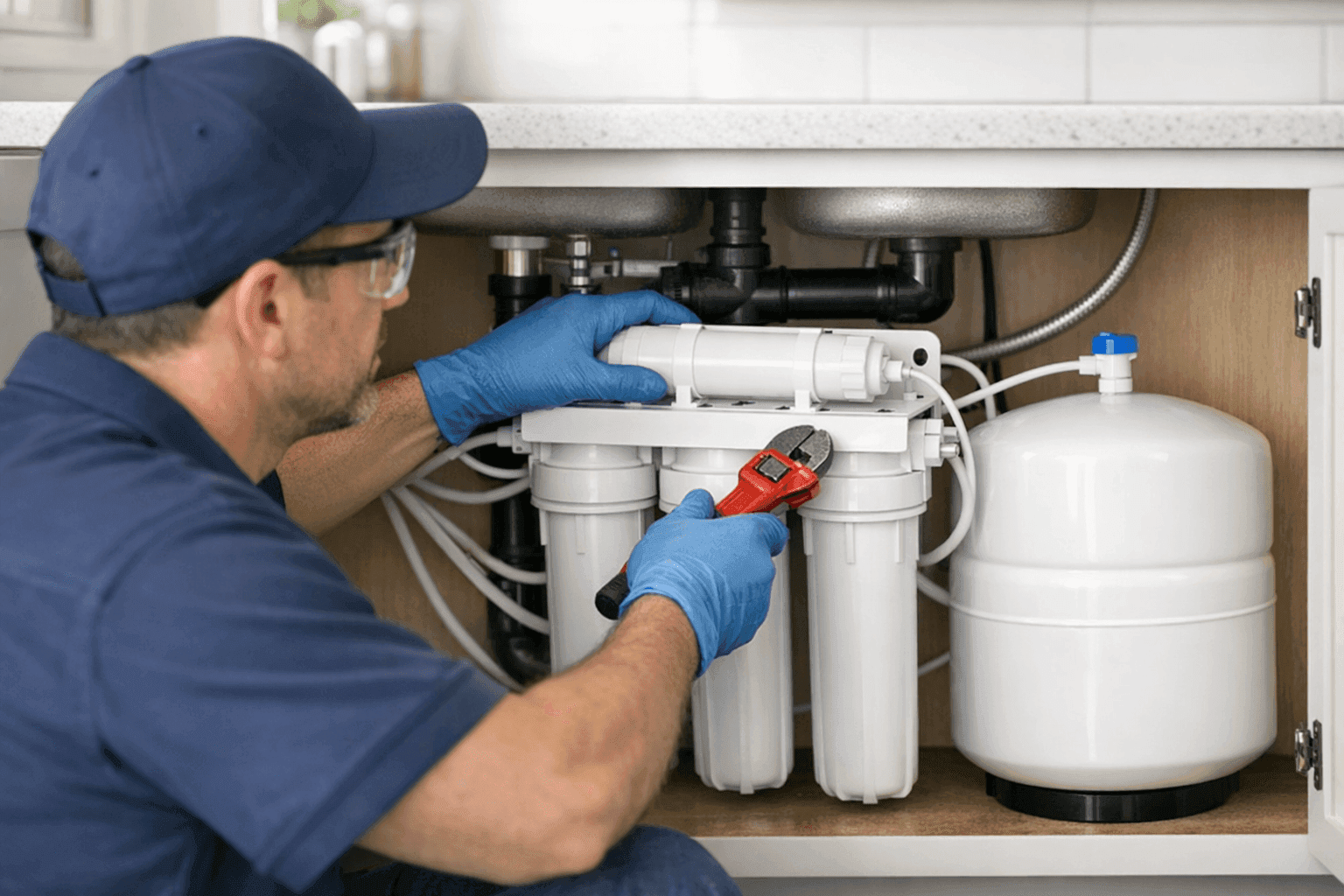
Is your tap water as clean as it looks? If you’ve ever wondered about what’s really flowing through your pipes, you’re not alone. At Peters Flo Plumbing, we talk with homeowners every day about strange tastes, cloudy water, or just wanting extra peace of mind.
Water filtration systems are getting a lot of attention. But are they right for your home? Let’s clear the fog and help you make an informed choice.
Why Consider Water Filtration? 💧
When you fill a glass from the tap, it’s easy to assume it’s pure. But looks can be deceiving. Water travels a long road before it reaches your faucet—through pipes, treatment plants, and sometimes even old plumbing.
Here’s why filtration might matter:
- Invisible Contaminants: Even treated water can carry traces of chlorine, lead, pesticides, and microplastics. According to the U.S. Environmental Protection Agency (EPA), some contaminants are regulated, but others may slip under the radar.
- Aging Infrastructure: Older homes may have pipes that leach metals or harbor sediment. Rust and scale can sneak in, especially after repairs or construction nearby.
- Taste and Odor: Ever notice a “swimming pool” smell or metallic taste? Chlorine and minerals are often to blame.
- Family Health: Infants, elderly family members, and those with weakened immune systems are especially sensitive to water quality.
Water filtration can be a safety net—an extra layer between your family and whatever may be hiding in your plumbing.
Types of Filtration Systems
Like shoes, filtration systems aren’t one-size-fits-all. You’ve got options, from portable pitchers to whole-house solutions. Let’s break down the most common types:
- Activated Carbon Filters: These trap common chemicals and improve taste and odor. Think of them as the coffee filter for your water.
- Reverse Osmosis (RO): Uses pressure to force water through a semipermeable membrane, removing a wide range of impurities. RO is thorough, like a bouncer at a club—only letting the good stuff through.
- UV Filters: Zap bacteria and viruses using ultraviolet light. No chemicals, just pure science.
- Water Softeners: Target hard water minerals (calcium and magnesium), which can clog pipes and leave spots on dishes.
- Sediment Filters: Catch sand, dirt, and rust—great for homes with old pipes or wells.
Each system targets different contaminants. Sometimes, you might need a combo for best results.
Benefits & Drawbacks
Benefits:
- Cleaner Taste: Coffee, tea, and even ice cubes taste fresher.
- Health Confidence: Fewer worries about “what ifs” in your water.
- Protects Appliances: Less sediment means longer life for dishwashers, kettles, and washing machines.
- Plumbing Peace of Mind: Reduces the risk of buildup in your pipes—think of it as flossing for your plumbing.
Drawbacks:
- Initial Cost: Quality filtration isn’t free. Factor in purchase and installation.
- Ongoing Maintenance: Filters need changing, membranes need cleaning.
- Not All-in-One: Some filters don’t catch every contaminant. For example, carbon filters won’t remove dissolved minerals.
- Water Waste: RO systems can waste some water as part of the process.
Weigh the pros and cons. Consider what matters most—taste, health, or protecting your plumbing investment.
The Installation Process
Deciding on a filtration system is step one. Installing it is step two. Here’s what to expect:
- Assessment: A plumbing pro checks your home’s water quality, pressure, and pipe layout. This helps match the right system to your needs. If you’re not sure about your water’s contents, you can request a certified lab test.
- Choosing the Spot: Most whole-house systems connect near where water enters your home (the main line). Under-sink and countertop units are popular for kitchens.
- Shut Off Water Supply: Safety first. The water’s turned off at the main valve.
- Plumbing Work: Cutting, connecting, and sometimes rerouting pipes. This can be straightforward or require more in-depth work, depending on your home’s plumbing.
- Testing: Once installed, your system gets a test run to check for leaks and proper flow.
For new builds or major renovations, filtration can be bundled with pipe installation.
Maintenance Tips for Your Filtration System 🛠️
A neglected filter is like a sponge left out in the rain—eventually, it just stops working. Keep your system in top shape with these tips:
- Follow the Schedule: Change filters and membranes as the manufacturer suggests. Some need swapping every 3–6 months, others once a year.
- Watch for Signs: Slow flow, odd tastes, or odors? Time to check the filter.
- Inspect for Leaks: Connections can loosen over time. Even a tiny drip can cause trouble, especially under sinks. (Our leak detection service can help if you spot something suspicious.)
- Clean Housings: Wipe down filter housings and sanitize as needed. Mold and bacteria love dark, damp spots.
- Monitor Water Pressure: Some systems include pressure gauges—use them! Too much pressure can damage filters; too little means something’s clogged.
Regular maintenance is the difference between clean, crisp water and a filter that becomes a breeding ground for bacteria.
Common Water Problems—and How Filtration Can Help
- Cloudy Water: Often sediment or air bubbles. Sediment filters can clear things up.
- Rusty Color: Usually iron from old pipes. A combination of sediment and specialty filters may be needed.
- Smells Like Rotten Eggs: Hydrogen sulfide gas. Carbon filters and special media can reduce this.
- White Spots on Glasses: Hard water. A water softener paired with a filter can solve it.
- Chemical Taste: Chlorine is a common culprit. Activated carbon filters are your best friend here.
Not sure which issue you’re facing? Collect a water sample and consult with a licensed plumber.
Quick Safety Checklist Before You Buy
- Know Your Source: Is your water city-supplied, or from a private well?
- Get a Water Test: Local health departments often offer affordable testing. The CDC recommends annual well testing for bacteria and nitrates.
- Read Labels: NSF/ANSI certified systems meet strict standards. Look for these marks.
- Check Plumbing Codes: Some areas require permits or backflow prevention devices for certain installations.
Still unsure? Professional plumbers stay up to date on building codes and safety practices.
DIY vs. Calling a Pro
Some small filters—like pitchers or faucet-mounts—are easy DIY projects. But whole-house systems, reverse osmosis, and anything that taps into your main water line? That’s a job for a licensed plumber. Improper installation can cause leaks, water pressure issues, or even void warranties.
Need help with plumbing-related questions, water filtration, or Backflow Prevention near you? Reach out for clear, practical advice.
What to Expect When the Pros Arrive
- Review Your Water Test: They’ll match the right filter to your needs.
- Inspect Your Plumbing: Looking for corrosion, leaks, or outdated pipes.
- Plan the Installation: Explaining what will happen, how long it’ll take, and any water shutoff times.
- Test and Demonstrate: Showing you how to replace filters and what signs of trouble to watch for.
Professional installation means fewer surprises down the line.
Costs, Time, and What Disruption Looks Like
- Basic Systems: Pitchers and faucet-mounts—under $100, done in minutes.
- Under-Sink Units: $200–$600, usually 1–2 hours to install.
- Whole-House Systems: $1,000 and up, depending on features. Installations may take half a day or longer.
- Possible Disruptions: Water shutoff for 1–2 hours, some cutting or drilling, and minor cleanup afterward.
It’s wise to budget for both the system and ongoing filter replacements.
When Water Filtration Is an Emergency 🚨
- Sudden Color or Odor Changes: Could signal a broken main or contamination.
- Health Symptoms: Unexplained stomach issues, especially after drinking tap water.
- Flooding or Backflow Events: If sewage or groundwater gets into your pipes, filtration becomes urgent.
In these cases, don’t wait—call a plumber and avoid drinking tap water until it’s tested.
Seasonal Considerations
- Spring Thaw: Melting snow can stir up sediment in water mains.
- Summer Storms: Heavy rain may flood wells and introduce contamination.
- Winter Freezes: Frozen pipes can burst, letting in dirt and bacteria.
Regular maintenance and timely filter changes keep your water safe year-round.
Common Mistakes to Avoid
- Skipping the Water Test: Don’t guess what’s in your water—know for sure.
- Ignoring Filter Changes: Old filters can make water worse, not better.
- Improper Installation: Leaks and low pressure are more likely with DIY jobs on complex systems.
- Overlooking Your Plumbing: Sometimes the pipes are the problem, not the water.
Signs It’s Time to Upgrade or Replace Your System
- Slower Flow: Could mean a clogged filter or failing membrane.
- Unusual Noises: Air in the pipes or a faulty valve.
- Persistent Taste/Odor Issues: System may be undersized or worn out.
A quick inspection by a licensed plumber can pinpoint the problem.
Frequently Asked Questions
How often should I change my water filter?
Every system is different. Most carbon filters last 3–6 months. Reverse osmosis membranes may last 2–3 years. Always check the manufacturer’s guide.
Will a filtration system lower my water pressure?
Not if sized correctly and installed properly. If you notice a drop, it’s often a sign the filter needs changing.
Can I install a system myself?
Small, countertop, or pitcher systems—yes. For under-sink or whole-house systems, it’s best to hire a plumber.
What about rental homes or apartments?
Portable and faucet-mounted filters are a good choice if you can’t modify the plumbing.
What if I already have a water softener?
You can combine systems. A plumber can recommend the best order for installation (filter first, then softener, or vice versa).
Final Thoughts: Is a Water Filtration System Right for You?
There’s no single answer. It depends on your water source, family needs, budget, and your home’s plumbing setup. Some folks just want better-tasting coffee. Others need to protect against specific contaminants.
At Peters Flo Plumbing, we help homeowners weigh their options—no pressure, just honest advice. If you’re thinking about a water filtration system, or have questions about your current setup, we’re here.
Call Peters Flo Plumbing now — or reach us anytime at 877-331-9687 .