How to Unclog a Toilet Without Calling a Plumber
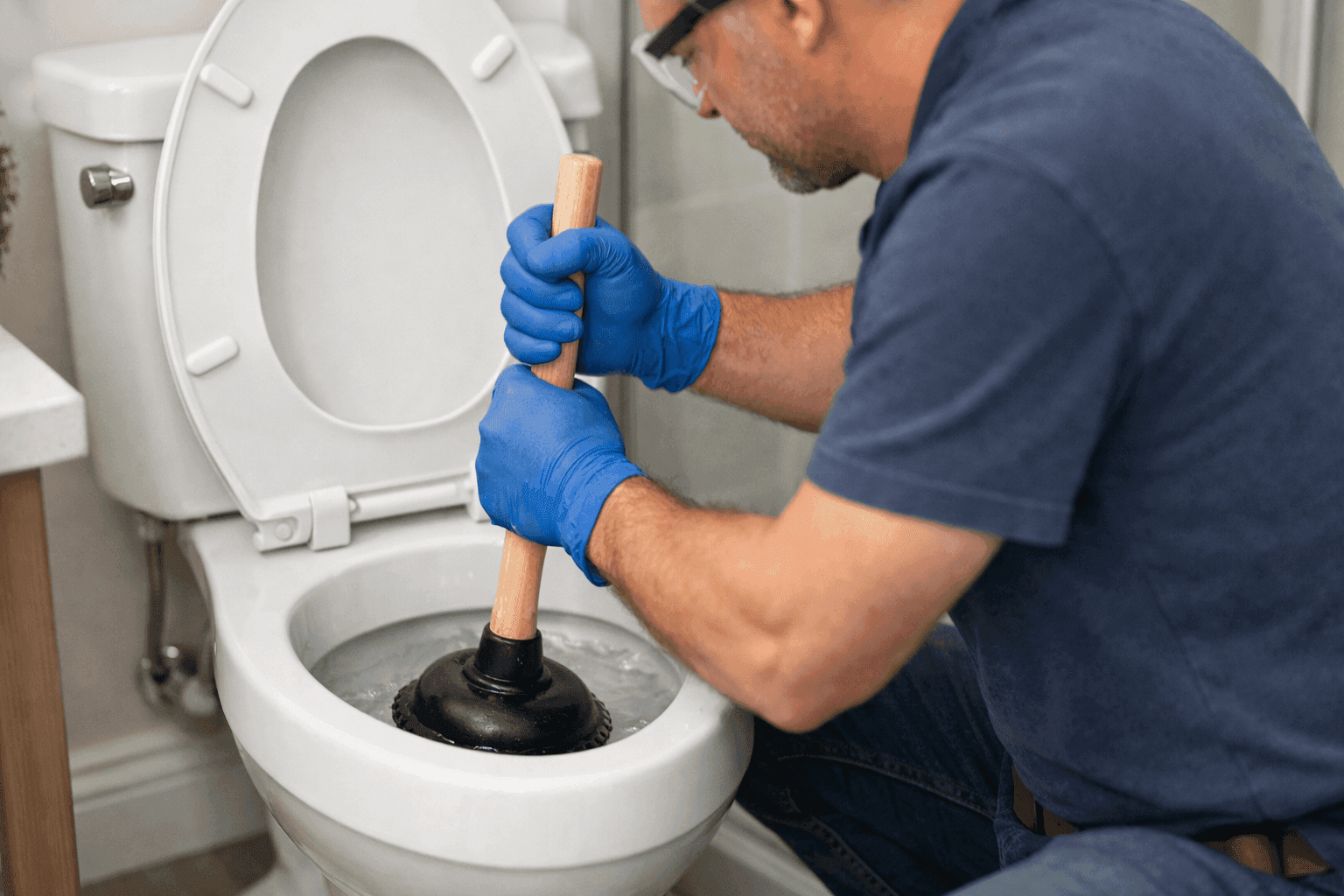
Is your toilet water rising—and your heart rate with it? We get it. Few household mishaps bring panic like a stubborn clog. Before you reach for the phone, take a deep breath. Many toilet blockages can be handled at home, safely and without fuss.
At Peters Flo Plumbing, we want you to feel confident tackling the simple stuff—while knowing exactly when to call in the professionals for help. Here’s how to manage clogs, protect your plumbing, and keep your bathroom running smoothly.
Why Toilets Clog (And Why It’s Not Always Your Fault) 🚽
Clogs happen. Sometimes it’s too much toilet paper; other times, a child’s toy finds its way where it shouldn’t. Even older pipes or low-flow toilets can turn minor issues into major backups.
Common culprits:
- Excessive toilet paper or “flushable” wipes
- Feminine hygiene products
- Non-flushable items (cotton balls, dental floss, toys)
- Hard water scale or mineral buildup
- Aging or poorly vented plumbing
While good habits help, even the most careful homeowner faces a clog now and then.
Quick Safety Checklist Before You Start
Before you roll up your sleeves, a few safety basics:
- Gloves: Always wear waterproof gloves.
- Ventilation: Open a window if possible.
- Plunger Quality: Use a flange plunger, not a sink plunger.
- Turn Off Water: If water keeps rising, shut the valve at the base of the toilet.
- No Harsh Chemicals: Avoid drain cleaners—they can damage pipes and harm your plumbing system.
Most importantly, don’t panic. Slow, steady steps are safer for you and your bathroom.
Safe DIY Methods for Unclogging a Toilet
Let’s get practical. Here are proven, plumber-approved methods:
The Plunger Method
- Choose the right plunger: A flange plunger forms a tight seal.
- Position the plunger: Cover the drain hole completely.
- Gentle first push: Start slow to avoid splashing.
- Firm plunges: Use steady, forceful pushes—think of pushing a stubborn door, not pounding it.
- Check for drainage: If water goes down, you’re in the clear. If not, repeat.
The Hot Water Trick
Pour a bucket of hot (not boiling) water from waist height into the bowl. Sometimes, heat and gravity will loosen a minor blockage.
Dish Soap Boost
Add a generous squirt of dish soap to the bowl and let it sit for 15 minutes before plunging. The soap acts like a lubricant.
The Toilet Auger (Plumber’s Snake)
For blockages that resist the plunger:
- Insert the auger gently into the toilet’s drain.
- Turn the handle to work through the clog.
- Pull the auger out slowly—debris may come with it.
- Flush to check for clear drainage.
If you don’t own an auger, most hardware stores carry affordable options.
Plungers vs. Augers: Which Tool is Best?
Plunger: Great for soft clogs near the bowl—like too much paper.
Auger: Designed for tougher blockages deeper in the drain. An auger’s like a fishing rod for clogs, reaching what plungers can’t.
If you use both and the clog remains, it’s time to step back. Forcing the issue can crack porcelain or push a blockage deeper.
When Should You Seek Professional Help? ☎️
Some situations call for a plumber’s experience. Don’t risk damage or a bigger mess—call if you notice:
- Recurring clogs (more than once a month)
- Water backing up into sinks or tubs
- Gurgling sounds from other drains
- Foul odors that linger (could signal sewer line issues)
- Water leaking around the toilet base
If you suspect a bigger problem, like a sewer line blockage, don’t hesitate. It’s safer—and more cost-effective—to get help early. For complex issues, ask about Backflow Prevention to protect your water supply.
What Pros Do On Arrival
A professional plumber doesn’t just clear the clog. We check for hidden issues, like cracked pipes, tree roots, or backflow problems. Using specialized cameras, we can inspect lines without tearing up your bathroom. We’ll also test for leaks and recommend repairs if needed.
Preventing Clogs: Simple Habits for a Happy Toilet
Like brushing your teeth, a few small steps go a long way:
- Only flush toilet paper and waste.
- Keep a trash bin handy for wipes, cotton, and hygiene products.
- Teach kids what’s “flushable” (and what’s not).
- Schedule annual plumbing maintenance to catch problems early.
- If you’ve had backflow issues before, arrange for regular Backflow Testing by a certified pro.
Common Mistakes to Avoid
- Flushing “flushable” wipes: Most don’t break down and cause slow clogs.
- Using boiling water: It can crack porcelain.
- Wire hangers: These can scratch the bowl or damage pipes.
- Chemical drain cleaners: They often do more harm than good.
Stay patient and gentle—your pipes will thank you.
How Long Should DIY Unclogging Take?
Most minor clogs clear within 15–30 minutes. If you’re plunging for longer than that, stop. Persistent effort can make things worse.
Is It Ever an Emergency?
Absolutely. If raw sewage backs up, water won’t stop rising, or you see leaks at the toilet base, call a plumber immediately. Water damage and bacteria can spread fast. In these cases, don’t try to fix it alone.
FAQ: Toilet Clogs & Your Plumbing
Q: Can a plunger fix every toilet clog?
A: Not always. Some blockages are too deep or too solid. That’s when tools like augers, or a professional inspection, are needed.
Q: Are “flushable” wipes really safe?
A: Most cause more problems than they solve. Even if labeled flushable, they often stay intact and block drains.
Q: How do I know if the problem is bigger than my toilet?
A: If multiple fixtures clog or you hear bubbling in other drains, the issue may be in your main sewer line.
Seasonal Plumbing Considerations
Winter brings frozen pipes; summer can mean tree root growth in sewer lines. Both can cause unexpected clogs. If you’re in an older home or have frequent issues, ask about preventative maintenance.
Materials and Equipment for Safe Unclogging
Keep these on hand:
- Flange plunger
- Toilet auger
- Rubber gloves
- Bucket
- Dish soap
Basic, affordable, and available at most hardware stores.
When DIY Isn’t Enough—Protecting Your Home
A stubborn clog is frustrating, but it’s also a warning sign. Persistent or recurring blockages may point to bigger issues: aging pipes, backflow risks, or hidden leaks. Don’t ignore warning signs—addressing them early can save you money, stress, and prevent damage.
If you need help with plumbing issues at any stage, or want advice on Backflow Prevention, we’re ready to assist.
Call Peters Flo Plumbing now — or reach us anytime at 877-331-9687 .