Top 10 Plumbing Mistakes Homeowners Make (and How to Avoid Them)
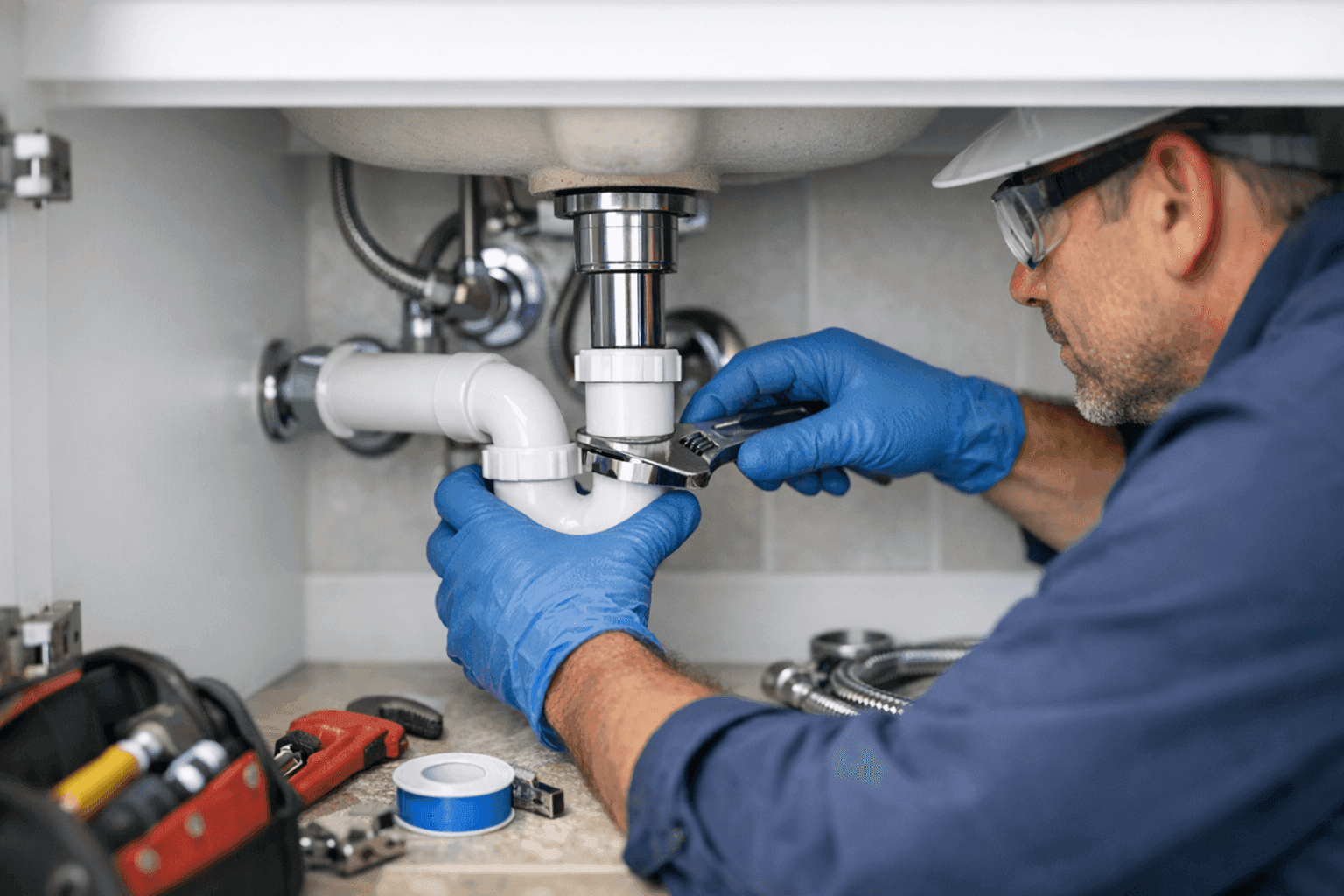
Every homeowner wants to save a buck and tackle repairs on their own. We get it—DIY can be satisfying. But plumbing is less like assembling furniture and more like surgery on your home’s veins. One wrong move, and suddenly you’re swimming instead of fixing.
At Peters Flo Plumbing, we’ve seen it all: creative fixes, accidental floods, and quick repairs that turn into big headaches. Let’s walk through the most common plumbing mistakes homeowners make, why they happen, and what you can do to avoid turning a small drip into a waterfall.
Most Common DIY Plumbing Mistakes
1. Over-Tightening Connections 🔧
You might think a tighter connection means a better seal. Actually, over-tightening can crack fittings, strip threads, or even split pipes. Water pressure does the rest—turning a hairline fracture into a geyser.
2. Mixing Up Pipe Materials
Connecting copper directly to galvanized steel? That’s a recipe for corrosion and leaks. Different metals react, causing pipes to deteriorate much faster—think of it like mixing vinegar and baking soda in a closed bottle.
3. Ignoring Local Plumbing Codes
Skipping code requirements might seem harmless, but those rules exist for good reason—your safety. Codes prevent backflow, leaks, and fire risks. Consult the International Plumbing Code or your local building department before starting any project.
4. Using the Wrong Tools
A wrench can’t do everything. Using the wrong size or type—like slip-joint pliers on delicate fittings—can damage parts and lead to leaks or even burst pipes.
5. Forgetting to Turn Off the Water
It sounds basic, but every year pipes burst because someone forgot to shut off the supply. Always turn off the main or local shut-off valve before you start any repair.
6. Skipping Preventative Checks
A small drip today can become a disaster tomorrow. Many homeowners ignore early warning signs like slow drains, damp spots, or rattling pipes—until it’s too late.
7. Using Chemical Drain Cleaners
Quick fixes often cause long-term damage. Liquid drain cleaners can eat away at pipes, especially older ones. Over time, this can lead to expensive repairs.
8. Mismatched Fittings and Gaskets
A rubber washer that’s “close enough” isn’t close enough. Mismatched parts can create slow leaks and water damage behind walls or under floors.
9. Poor Slope on Drain Lines
Drainage pipes need just the right angle—too flat, and water pools; too steep, and solids get left behind. Either way, you end up with clogs or slow drains.
10. Not Testing for Leaks
After making a repair, always check your work. Missing this simple step can mean a small leak goes unnoticed, causing mold or rot down the line.
How to Prevent Each Mistake
- Measure Twice, Tighten Once: Hand-tighten, then use a wrench for just a quarter turn more. If in doubt, consult the manufacturer’s specs.
- Match Your Materials: Use the correct connectors (like dielectric unions for copper-to-steel). Ask your hardware store or plumber for advice if you’re unsure.
- Check Codes First: Look up your area’s requirements or talk to your building inspector. The National Association of Home Builders and International Code Council are good starting points.
- Use the Right Tool: Invest in a proper pipe wrench, basin wrench, and plumber’s tape. The right tool protects your plumbing—and your wallet.
- Always Shut Off Water: Know where your main shut-off valve is. Test it twice a year so you’re ready in an emergency.
- Schedule Routine Inspections: Don’t wait for disaster. Book annual preventative maintenance to keep your plumbing in peak shape.
- Avoid Chemicals: Use a plunger or a drain snake. For recurring clogs, consider professional drain cleaning.
- Buy the Right Parts: Bring old washers, nuts, or gaskets to the store. Better yet, take a picture.
- Check Drain Slope: Pipes should slope 1/4 inch per foot. If you’re unsure, get a level or call for help.
- Always Test: Once finished, run water and check for leaks. Look under sinks, behind toilets, and around fittings.
When to Call a Professional
Some plumbing issues are best left to licensed plumbers. Call for help if you:
- Smell gas or suspect a leak (leave the house first).
- See water pooling near walls, under floors, or from ceilings.
- Hear persistent running water with no obvious source.
- Experience sudden drops in water pressure.
- Suspect a main line clog (all drains slow at once).
For urgent plumbing needs, don’t hesitate to reach out for leak repair or backflow prevention near you.
Building Safe Habits for Your Home
- Create a Home Plumbing Map: Know where your shut-off valves are. Label them for quick reference.
- Regularly Check for Leaks: Inspect under sinks, behind toilets, and around appliances monthly.
- Flush Drains with Hot Water: Once a week, pour boiling water down your drains to prevent buildup.
- Test Sump Pumps Seasonally: Especially before spring rains. Pour water into the pit to confirm it’s working.
- Install Water Alarms: These low-cost devices detect leaks before they cause major damage.
Signs of Trouble: When It’s Not Just a Little Drip
Some issues sneak up on you. Watch for:
- Sudden spikes in your water bill
- Discolored water or rust stains
- Foul odors from drains
- Unusual sounds (whistling, banging, or gurgling)
- Mold or mildew on walls or floors
Spot anything off? Early action can save you thousands in repairs.
DIY vs. Professional: Know Your Limits
Sure, tightening a loose faucet or unclogging a toilet is within reach for most. But when pipes are hidden, gas is involved, or you’re unsure about local codes, it’s safer and smarter to call in a pro.
Our team at Peters Flo Plumbing is trained to spot issues most people miss. We use specialized tools and follow safety guidelines set by the International Association of Plumbing and Mechanical Officials.
Quick Safety Checklist for Every Repair
- Turn off the water and test that it’s off
- Wear gloves and eye protection
- Ventilate if working with chemicals
- Check for nearby electrical outlets
- Have a bucket, towels, and flashlight ready
Costs & Time: The Real Price of Plumbing Mistakes
A simple fix gone wrong can cost hundreds more than a professional repair. Water damage, mold, and structural repairs add up quickly. Time spent fixing the same issue again and again? That’s time you’ll never get back.
When It’s an Emergency
Flooding, sewage backups, or gas leaks always count as emergencies. Don’t wait—getting help fast can prevent bigger issues, health hazards, and costly repairs.
If you’re in the area and searching for a reliable plumber, read more about our services for plumbing emergencies and repairs in Newark.
Seasonal Considerations
Cold snaps can freeze pipes. Heavy rains can flood basements. Each season brings new challenges—make preventative checks part of your routine.
Materials and Equipment: What’s Worth Having On Hand
- Plunger (cup and flange)
- Pipe wrench and adjustable wrench
- Plumber’s tape (Teflon tape)
- Bucket and rags
- Flashlight
- Drain snake
These basics won’t replace a pro, but they’ll help you handle minor issues safely.
Final Thoughts: Stay Ahead of Plumbing Problems
Being handy is great—but with plumbing, a little caution and a lot of preparation go a long way. Avoiding these common mistakes keeps your home dry, safe, and stress-free.
Call Peters Flo Plumbing now — or reach us anytime at 877-331-9687 .