Toilet Repair: Fixing Running, Leaking, and Weak Flushes
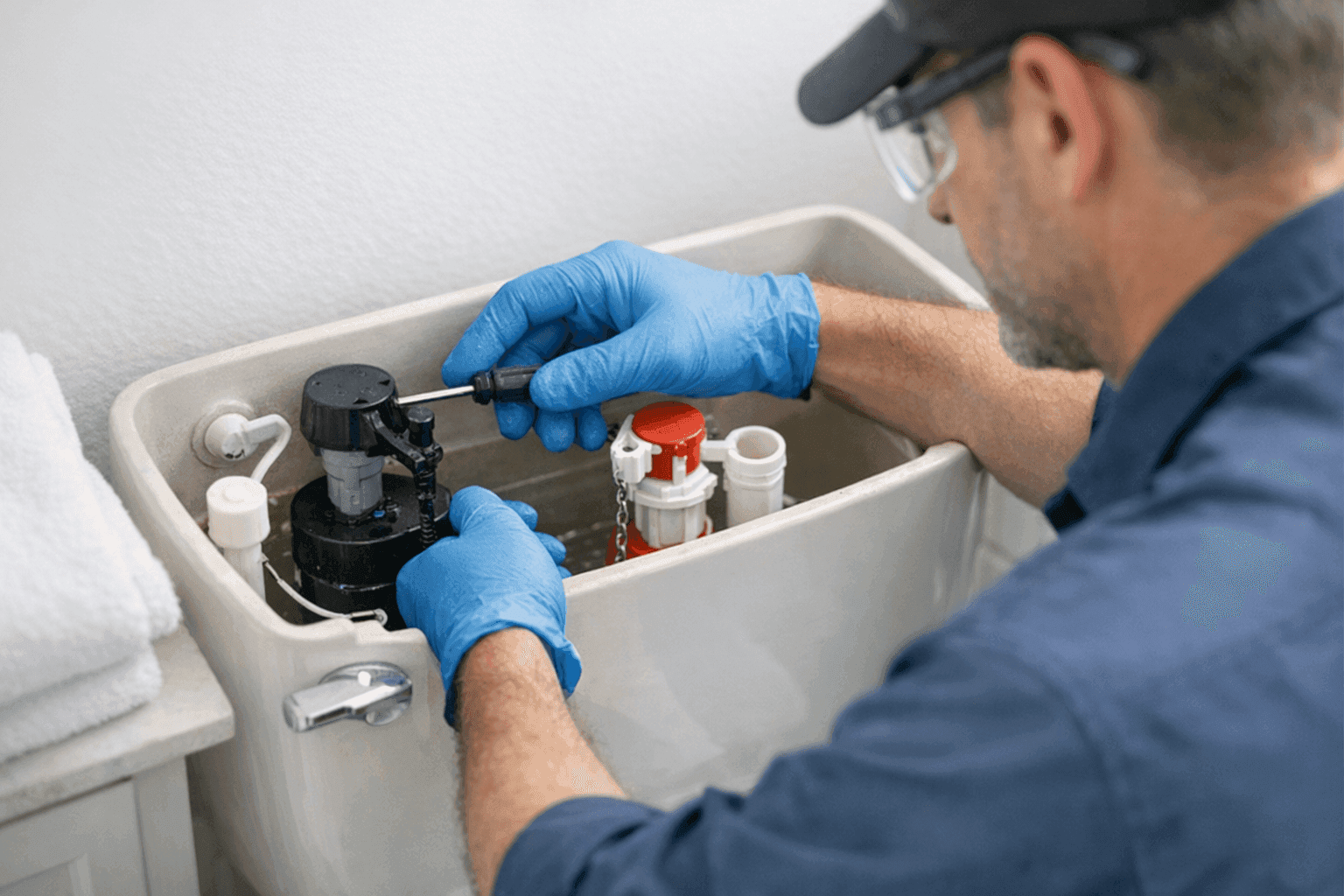
Do you hear your toilet running all night? Maybe there’s a puddle on the floor. Or when you flush, the water just swirls with no power. Toilet problems rarely wait for a convenient moment—and they never fix themselves.
At Peters Flo Plumbing, we understand how frustrating (and awkward!) a bathroom plumbing problem can be. We’ve helped families fix thousands of stubborn toilets. Here’s what you need to know to keep your bathroom running smoothly.
Common Toilet Problems 🚽
Most toilet issues fall into a few clear buckets. Each has its own telltale signs. Here’s what homeowners see most often:
- Running Toilet: The tank keeps filling, water trickling non-stop.
- Leaking Toilet: Dampness near the base, or water seeping from tank bolts or supply lines.
- Weak or Incomplete Flush: You flush, but waste lingers. Sometimes, it’s sluggish or needs a double-flush.
- Clogs and Overflows: Water rising to the rim, slow draining, or full-on flooding.
- Phantom Flushes: The toilet tank refills randomly, even if no one’s used it.
Sound familiar? Each of these issues has a root cause—and a right way to fix it.
Quick Safety Checklist
Before you grab a wrench or plunger, safety comes first. Toilets are simple machines, but water and plumbing work demand respect. Here’s a quick safety rundown:
- Turn off the water supply (the shutoff valve is usually behind the toilet).
- Keep towels handy to catch drips or spills.
- Wear gloves to protect your hands from germs or harsh cleaners.
- Never mix cleaning chemicals—some combinations can be dangerous.
- If you smell gas (rare, but possible if your bathroom has gas fixtures), ventilate the area and exit your home immediately. Then call for help.
If you ever feel unsure, don’t push your luck. Better to call for professional plumbing help than risk a mess—or injury.
Running Toilet: Causes and Fixes
A running toilet is like a leaky wallet. Water bill creeping up? That’s the culprit.
Why does it happen? Usually, a worn-out flapper, faulty fill valve, or misaligned float. Sometimes, the chain between the handle and flapper gets tangled.
DIY steps:
- Remove the tank lid and flush while watching the mechanism.
- If the flapper doesn’t seal, replace it. They’re cheap and sold at any hardware store.
- Adjust the float if water rises too high. A small turn of the screw can fix the water level.
- If the fill valve hisses or sputters, it might need cleaning or replacement.
Still running? That’s a sign something deeper—like a cracked overflow tube or stubborn mineral buildup—needs a pro’s touch.
Leaking Toilet: Don’t Ignore the Drips
A leaking toilet isn’t just a water waster. It can rot floors, ruin drywall, and invite mold. Leaks come from several spots:
- The supply line connection
- Tank bolts or washers
- The seal (wax ring) under the base
Spot the signs:
- Water on the floor near the base
- Musty odors
- Floor feels soft or spongy
DIY scope: Tighten loose nuts at the tank or supply line (but don’t overdo it; porcelain cracks easily). If you see water at the base, the wax ring might be failing—a job best left to a plumber, because the toilet must be removed and reset.
For more about leak repair, see our leak repair service page.
Weak Flushes and Clogs: Getting Your Power Back
A weak flush is like a lazy breeze—nothing moves. The cause? Often, mineral buildup in the rim jets, a clog deeper in the drain, or a faulty flapper that snaps shut too soon.
DIY fixes:
- Use a hand mirror to check for mineral buildup under the rim. A wire coat hanger or brush can help clear it.
- Make sure the tank water level sits one inch below the overflow tube.
- Try a good old plunger for minor clogs. For stubborn ones, a toilet auger (closet snake) can reach deeper.
If the problem keeps coming back, the clog may be farther down the line. That’s when our unclogging toilets team can help.
DIY vs. Call a Pro: Know Your Limits
Some fixes are safe for a confident homeowner. Others, not so much. Here’s a simple guideline:
DIY-friendly:
- Replacing a flapper
- Adjusting a float
- Tightening supply line nuts
- Using a plunger or auger
Call a plumber if:
- Water is leaking at the base
- Toilet wobbles or rocks (may signal floor damage)
- You hear gurgling from other drains (could be a sewer line issue)
- Repeated clogs, weak flushes, or phantom flushes persist
A professional plumber from Peters Flo Plumbing has the tools, parts, and know-how to solve hidden or complex plumbing issues—safely and quickly.
What the Pros Do on Arrival
When you call us for toilet repair, here’s our process:
- Inspect the entire toilet—tank, bowl, supply line, and surrounding floor.
- Test flush, water fill, and drainage.
- Diagnose the root cause, not just the symptom.
- Use professional-grade parts and tools for repairs.
- Double-check all connections for leaks, and clean up the work area.
We follow local building codes and manufacturer guidelines. Your toilet will work like new, and your home will be treated with respect.
Preventing Future Toilet Trouble 🛠
An ounce of prevention beats a flooded bathroom any day. Here’s how to keep toilet woes at bay:
- Inspect tank parts yearly: Flappers, fill valves, and floats wear out. Catch them before they fail.
- Watch for slow leaks: Add a few drops of food coloring to the tank. If color appears in the bowl without flushing, it’s time for a repair.
- Flush only toilet paper: “Flushable” wipes and hygiene products can clog pipes.
- Check water pressure: High pressure can damage fill valves and seals.
- Annual whole-home plumbing checkup: A professional inspection can spot small issues before they turn big.
For more on preventative maintenance, the International Association of Plumbing and Mechanical Officials (IAPMO) recommends annual inspections for all residential plumbing systems.
Costs & Time Factors
Toilet repairs range from quick and cheap to more involved. Replacing a flapper or fill valve? That’s often done in under 30 minutes. Wax ring replacement or major leak repair takes longer and may require two people to lift and reset the toilet.
Labor and part costs depend on the fix—and on the age and type of your toilet. Older units or off-brand models may need specialty parts. Always ask for an estimate before work begins.
When It’s an Emergency
If your toilet is overflowing and you can’t stop the water, shut off the supply valve (behind the toilet) right away. If water is leaking through the ceiling from an upstairs bathroom, that’s a sign of a major leak needing immediate professional attention.
Some issues—like a toilet backing up into the tub or sink—may signal a sewer line blockage. This is a true emergency. Call for help before water damage spreads.
For urgent plumbing in northern New Jersey, get fast help from our Hackensack plumbing team, available for all residential emergencies.
Signs You Shouldn’t Ignore
Some toilet issues seem minor but point to bigger problems:
- Cracks in the porcelain
- Rusty tank bolts or corroded supply lines
- Persistent musty odors
- Water stains on the ceiling below the bathroom
- Toilet shifting on the floor
These are red flags. Don’t wait for a full-blown plumbing disaster.
Seasonal Considerations
Cold snaps can freeze water lines to toilets in homes with poor insulation. If you live in an older house, check pipes for drafts. In humid months, condensation (“sweating” tanks) can cause water to pool by the base. Insulating the tank or improving bathroom ventilation can help.
Materials and Equipment: What You’ll Need
For common DIY repairs, keep these on hand:
- Adjustable wrench
- Rubber gloves
- Plunger and toilet auger
- Replacement flapper and fill valve
- Towels or rags
- Bucket (for draining the tank or bowl, if needed)
For anything involving the wax ring, cracked porcelain, or persistent leaks, leave it to licensed plumbers. The right tools and experience make all the difference.
Common Mistakes Homeowners Make
- Overtightening bolts and cracking the tank or bowl
- Using chemical drain cleaners—these can eat away at pipes and seals
- Ignoring small leaks (“It’s just a drip!”) that become big repairs
- Flushing things that should go in the trash
Remember: It’s always easier—and cheaper—to address problems early.
FAQ: What Homeowners Ask Us Most
How often should I replace toilet parts?
Flappers and fill valves last 3–5 years on average. Hard water shortens their lifespan.
Can I upgrade to a water-saving toilet myself?
Swapping out an entire toilet involves lifting, resetting, and sealing—best left to a pro, especially if your bathroom floor is uneven.
My toilet gurgles when I shower—is that bad?
Yes. That may signal a blocked vent or a sewer line problem. Call for a full inspection.
Will insurance cover water damage from a leaking toilet?
Home insurance often covers sudden, accidental leaks. Check your policy and act quickly to minimize damage.
Timeline & Disruption
Most basic toilet repairs are done in under an hour. More complex jobs, like replacing the wax seal or addressing underlying floor damage, may take half a day or more. Our plumbers work cleanly and efficiently, minimizing disruption to your home.
Building Codes and Safe Plumbing
Toilet repairs must meet local plumbing codes. Improper repairs can lead to leaks, water damage, or health code violations. At Peters Flo Plumbing, we stay current with the Uniform Plumbing Code (UPC) and local ordinances—so you don’t have to worry.
The Value of Professional Repair
We get it—everyone wants to save money and fix things themselves. But with toilets, a quick fix can turn into a costly headache if not done right. Calling a licensed plumber ensures the work is safe, durable, and code-compliant. It protects your home and your peace of mind.
Call Peters Flo Plumbing now — or reach us anytime at 877-331-9687 .