What to Do When Your Sump Pump Fails During a Storm
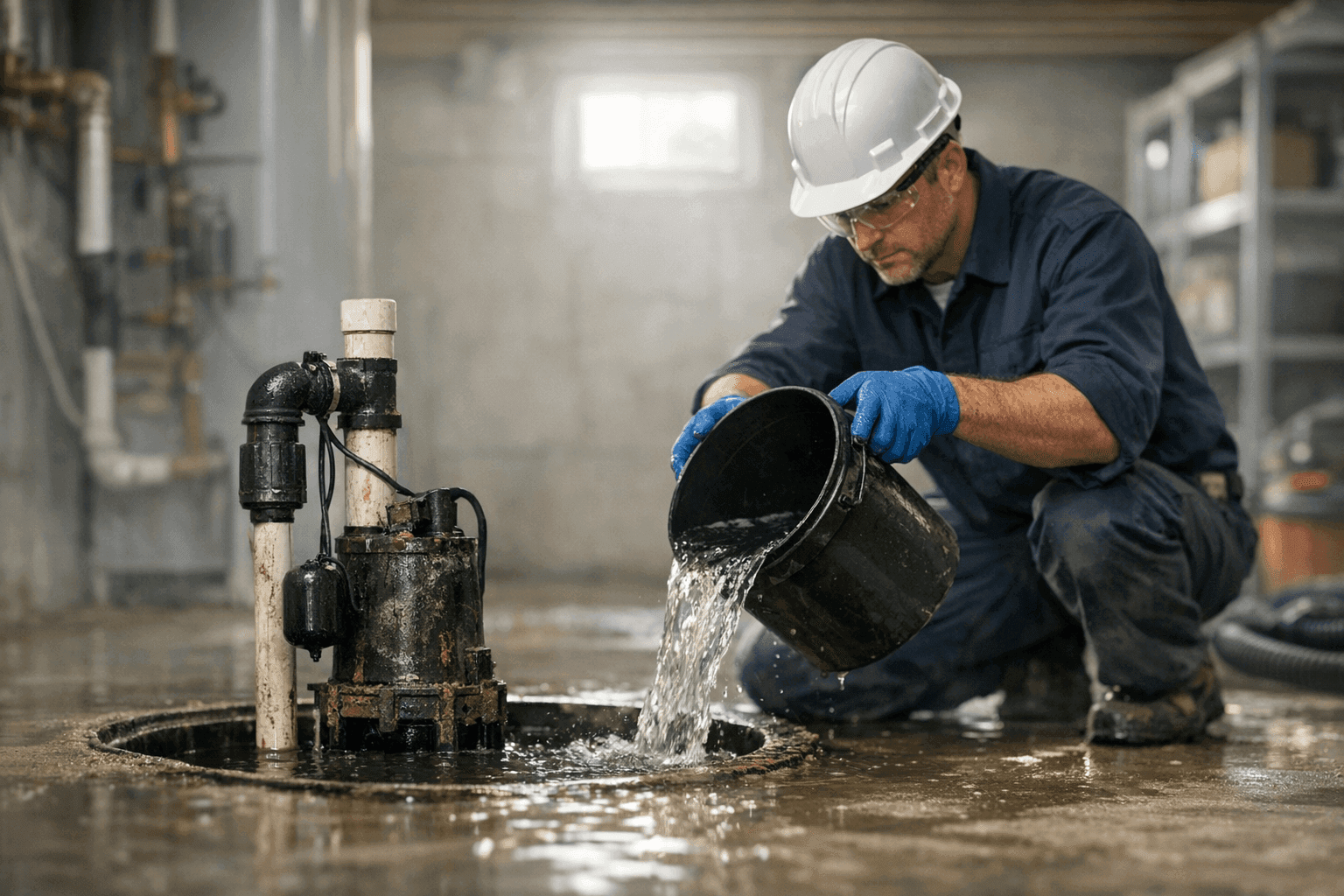
When the rain pounds down and water starts rising, a sump pump is your silent protector. But even the best pumps can falter—right when you need them most. If you’re staring at water pooling in your basement, don’t panic. You’re not alone. Thousands face this every year, and there are real steps to keep your home safe.
At Peters Flo Plumbing, we’ve seen every kind of storm and sump pump mishap. We’re here to help you act fast, prevent damage, and know when to call for backup.
Recognizing Sump Pump Failure 🚨
The first sign is usually obvious: water where it shouldn’t be. But sometimes it’s subtle—a sudden hum, a silence where there should be a whirr, or the unmistakable smell of damp concrete.
Common signs your sump pump isn’t working:
- The pump is running, but water isn’t going down.
- The pump is silent, but water is rising fast.
- You hear strange noises—grinding, rattling, or loud humming.
- Your circuit breaker has tripped.
- The sump pit is overflowing.
If you notice any of these, it’s time to act.
Quick Safety Checklist
Storms and water don’t play by the rules. Before you wade in, check these off:
- Turn off power to the basement (at the main breaker) if water is near outlets or appliances.
- Don’t touch electrical cords or equipment in standing water.
- Wear rubber boots if you need to enter a wet area.
- Watch for slippery surfaces—water and mud can make floors treacherous.
Your safety comes first. Always.
Immediate Steps When Your Sump Pump Fails
Seconds matter. Here’s what to do, step by step:
- Stop more water from entering. Close basement windows and doors tightly. If rainwater is pouring in from outside, use towels or sandbags around entry points.
- Check the sump pump plug. Sometimes, a simple loose cord is the culprit.
- Test your circuit breaker. If it’s tripped, reset it once. If it immediately trips again, leave it off—there could be a short.
- Lift the float manually. Some pumps kick in if you gently lift the float arm. If nothing happens, the pump may be burned out.
- Bail or pump out water. Use buckets, a wet/dry vacuum, or a portable utility pump to remove as much water as you can.
- Move belongings to higher ground. Elevate boxes, furniture, and electronics.
Preventing Water Damage
Every minute counts when water is on the move. Even a shallow flood can cause major headaches—think mold, ruined drywall, and warped floors.
Fast flood control tips:
- Place towels or old blankets at the base of doors to soak up water.
- Use plastic sheets or tarps to protect furniture.
- Set up fans and dehumidifiers as soon as it’s safe to do so.
- Open windows (if rain isn’t blowing in) to help dry out the space.
According to the Federal Emergency Management Agency (FEMA), even an inch of water can cause thousands of dollars in damage. Working quickly limits long-term headaches.
Temporary Workarounds for a Broken Sump Pump
Sometimes you just need a patch until help arrives.
- Battery-powered backup pumps: These can buy you time and are worth having in storm-prone areas.
- Wet/dry vacs: Great for shallow water. Just be sure you’re plugging into a safe, dry outlet.
- Manual bailing: Old-school but effective. Use buckets if nothing else is available.
Remember, these are stopgaps—not substitutes for a working sump pump.
Common Mistakes to Avoid
In the rush, it’s easy to make costly missteps. Here’s what not to do:
- Don’t use household extension cords in standing water.
- Don’t ignore “small” leaks or puddles—they add up fast.
- Don’t try to repair electrical components if you’re unsure. Water and electricity are a dangerous mix.
- Don’t assume the storm is over once the rain stops—groundwater can keep rising.
When to Call a Pro
Some problems need more than a mop. Call for emergency plumbing help if:
- The water is rising faster than you can bail.
- You smell gas or suspect a gas leak.
- Your breaker keeps tripping.
- The sump pump is smoking, sparking, or making alarming noises.
- There’s visible sewage or foul odors (which can mean a sewer backup).
If you need backflow prevention near you or urgent repairs, Backflow Prevention.
What to Expect When Pros Arrive
A licensed plumber will:
- Inspect your sump pump and pit for clogs or jams.
- Test electrical connections and replace damaged parts.
- Use industrial water extractors if necessary.
- Advise on next steps for drying and cleanup.
- Assess for additional issues—like backflow or sewage risks.
Plumbers follow local building codes and safety guidelines, including the National Electrical Code (NEC) and International Plumbing Code (IPC).
Preventing Sump Pump Failure Next Time
An ounce of prevention is worth a pound of bailing.
Preventative steps:
- Test your sump pump every three months—pour water into the pit and watch it work.
- Clear debris from the pit and the discharge pipe.
- Invest in a battery backup system, especially if power outages are common.
- Schedule annual maintenance with a qualified plumbing professional.
Routine maintenance keeps your system ready when storms hit hardest. For regular inspections and maintenance, see our Boiler Repair.
Seasonal Considerations
Spring melts and summer storms are the usual suspects, but winter thaws can also overload sump pumps. Check your system before each major weather season. Replace older pumps every 7-10 years as recommended by manufacturers.
Keep gutters and downspouts clear—clogged drains can funnel extra water toward your foundation.
DIY vs. Professional Repair
Changing a lightbulb? Go for it. Fixing a submerged electrical pump? That’s a different story.
DIY: Clearing simple debris, bailing water, or resetting a breaker.
Call a pro: Electrical repairs, motor replacement, or if you have any doubts. Your safety and your home’s value are on the line.
Sump Pump Failure FAQ
How long will my basement take to dry?
That depends on the amount of water and ventilation. With fans and dehumidifiers, it may take several days.
Is sump pump failure covered by homeowners insurance?
Often, no—unless you have specific flood insurance. Check with your agent.
Do I need backflow prevention with a sump pump?
Yes—especially if you have a history of sewage backups or live in flood-prone areas.
Can I install a sump pump myself?
Some homeowners try, but proper installation requires plumbing knowledge and local code compliance.
Timeline & Disruption
A failed sump pump can mean hours—or days—of cleanup. The sooner you act, the less damage you’ll face. Most repairs take a few hours, but drying and restoring your basement may take longer depending on the water level.
Materials & Equipment to Keep on Hand
- Wet/dry vacuum
- Battery-powered pump or backup system
- Heavy-duty extension cords (for safe, dry use only)
- Rubber boots and gloves
- Towels, tarps, and buckets
Being prepared is half the battle.
The Value of Professional Emergency Plumbing
A sump pump failure isn’t just an inconvenience—it’s a race against time. Skilled plumbing services don’t just fix the pump; they look for the root causes and help you safeguard your home for the future.
If you’re in a storm and your pump has failed, don’t wait. Fast, experienced help is your best defense against lasting water damage.
For reliable plumbing and emergency plumbing services in Portland, see our local team.
Call Peters Flo Plumbing now — or reach us anytime at 877-331-9687 .