How to Spot Early Signs of Sewer Line Damage
Are your drains acting up in ways you can’t quite explain? Maybe there’s a strange smell in the yard, or water is pooling where it shouldn’t. You’re not alone—these issues sneak up on countless homeowners every year. Sewer line problems don’t care about your schedule, and they can turn a normal day upside down.
At Peters Flo Plumbing, we know that catching sewer line issues early can save you from major headaches—and bigger bills. Here’s what every homeowner should know about the warning signs hiding just beneath the surface.
Causes of Sewer Line Damage
Understanding what can go wrong is half the battle. Sewer lines are tough, but life (and nature) finds ways to wear them down.
- Tree Roots: Like thirsty underground tentacles, roots chase moisture and break into pipes.
- Aging Pipes: Materials like clay, cast iron, and even some plastics can weaken with time.
- Ground Shifts: Soil settles, freezes, or shifts—causing pipes to crack or disconnect.
- Corrosion: Older metal pipes slowly rust out, especially if your water’s naturally acidic.
- Blockages: Grease, wipes, and debris build up, increasing internal pressure.
- Poor Installation: Bad angles or connections can spell trouble years down the line.
The most common culprits? Roots and old pipes. But any of these can spell sewer trouble.
Early Warning Signs Your Sewer Line Needs Help 🛑
Sewer problems don’t always announce themselves with a dramatic flood. They start quietly, like a whisper in your plumbing. Be on the lookout for these subtle signals:
- Slow Drains: If it seems like every sink and tub in the house is losing its speed, that’s a red flag.
- Gurgling Sounds: Toilets or drains making odd noises? Picture air bubbles fighting past blockages.
- Foul Odors: Persistent sewage smells indoors or outside mean trouble is brewing below.
- Soggy or Greener Patches in Yard: One area of grass suddenly lusher than the rest? Underground leaks feed it.
- Water Backups: Water coming up in the bathtub when you flush? The main line may be blocked.
- Mold Growth: Extra moisture from leaks can cause mold in walls or floors.
- Foundation Cracks: In serious cases, water erodes soil, leading to cracks in your home’s base.
Don’t ignore these signs. Even small changes can mean a big problem is forming beneath your feet.
Why Timely Repair Matters
Think of your sewer line as your home’s silent workhorse. When it fails, the results are anything but silent. Delaying repairs is like ignoring a smoke alarm—damage multiplies fast.
- Cost: Early fixes are almost always cheaper than full replacements or major repairs.
- Health: Sewage leaks can bring harmful bacteria and mold into your living space.
- Home Value: Ongoing plumbing issues can scare off buyers, or halt a sale.
- City Code Violations: Many municipalities require functioning, leak-free sewer lines (per local plumbing code and the International Plumbing Code).
Quick action limits mess, cost, and stress. The sooner you catch the problem, the simpler (and less expensive) the solution.
Quick Safety Checklist
Before you poke around, safety first:
- Avoid direct contact with standing or smelly water.
- Keep children and pets away from affected areas.
- If you smell gas while investigating (sometimes happens with sewer issues), leave immediately and call for help.
When in doubt, always call a professional.
Spotting Trouble: What to Watch and Listen For
- Odd toilet behavior: Bubbles, burps, or slow flushing.
- Drains that won’t clear: Repeated clogs, even after snaking.
- Unexpected lush growth: Especially over the sewer main.
- Cracking or sinking in yard: Could mean soil erosion from a leak.
A little detective work now keeps small problems from snowballing.
DIY vs. Call a Pro
There’s wisdom in knowing your limits. A plunger or hand auger can clear minor clogs. But sewer line trouble is usually deeper—literally.
DIY:
- Plunge simple clogs.
- Use enzyme-based drain cleaners (never harsh chemicals).
Call a Pro:
- Repeated backups or slow drains.
- Smells, soggy lawns, or foundation problems.
- Water appearing in strange places.
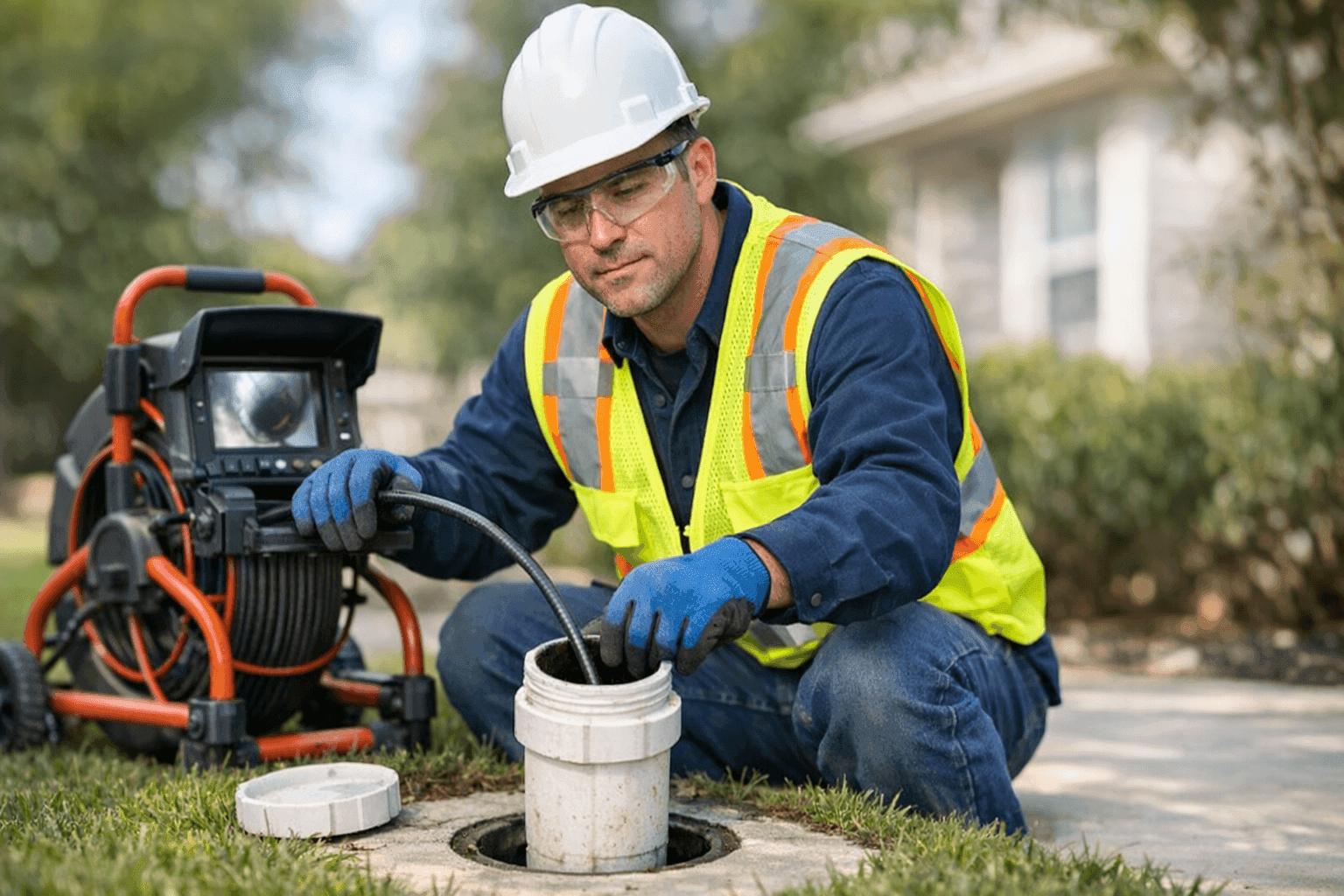
A licensed plumber can scope the line with a camera, pinpointing the trouble spot without guesswork.
What to Expect When the Pros Arrive
When Peters Flo Plumbing shows up, here’s how we help:
- Inspection: We use specialized cameras to see inside your pipes.
- Diagnosis: You’ll get a clear explanation and honest recommendation.
- Clear-Out or Repair: Depending on what’s found, we’ll clear, patch, or replace as needed.
- Prevention Advice: We’ll share simple ways to avoid future problems.
We follow local plumbing codes and best practices for safety and peace of mind.
Preventing Sewer Line Surprises
An ounce of prevention is worth a pound of drain cleaner. Try these habits:
- Don’t flush wipes—even “flushable” ones.
- Keep grease, coffee grounds, and food scraps out of drains.
- Schedule regular Backflow Prevention to catch problems early.
- Plant trees away from sewer lines.
- Install backflow prevention devices for extra security.
These steps go a long way toward a healthy plumbing system.
Costs and Timeline
Plumbing costs can vary, but early fixes are always easier on the wallet. Simple clog removal might take an hour or two. Full repairs, especially if digging is required, can take a day or more.
Ignoring a problem usually means a bigger bill later. Save yourself the headache.
When It’s an Emergency
If sewage is backing up into your home, or you smell gas, call immediately. This isn’t the time to wait and see. Fast action protects your property, health, and wallet.
Seasonal Considerations
Spring thaw or heavy rain can stress old pipes. Winter brings freeze/thaw cycles that crack pipes. Keep an extra eye out for issues after big weather events.
Common Mistakes to Avoid
- Waiting too long to act on small signs.
- Using chemical drain openers (they can damage pipes).
- Planting trees too close to sewer lines.
- Ignoring routine maintenance appointments.
A little caution now means less trouble later.
FAQ: Sewer Line Damage
Can I fix a sewer line myself?
Not usually. Most repairs require specialized tools and permits.
Will my insurance cover sewer line repairs?
Sometimes. It depends on your policy—review your coverage or ask your agent.
How often should I have my sewer line inspected?
Every few years, or if you notice warning signs.
Does my home need backflow prevention?
Many homes do. It’s especially important if you’re in an area with heavy rainfall or city water backups. Peters Flo Plumbing offers Backflow Prevention.
What about water pressure or kitchen plumbing issues?
If you’re dealing with low water pressure or persistent kitchen plumbing problems, those can be early clues of bigger issues. Our team can help with both.
How to Minimize Disruption
- Schedule inspections during off-peak times.
- Ask about trenchless repair methods (less digging, less mess).
- Keep pets and children away from work areas.
We work to make repairs as smooth as possible.
Real-World Example
A local homeowner noticed a soggy patch in their yard after heavy rain. They called Peters Flo Plumbing, and our camera found a cracked pipe—roots had invaded. Because they called quickly, we repaired just the damaged section, saving them thousands in yard restoration. Acting early really does pay off.
Take Action Before Problems Grow
If you spot any of these warning signs, don’t wait. The sooner you act, the easier (and cheaper) the fix. For fast, friendly help with sewer line repair, find reliable plumbing services near you in Minot.
Call Peters Flo Plumbing now — or reach us anytime at 877-331-9687 .