Sink Repair at Home: Simple Fixes and Signs of Trouble
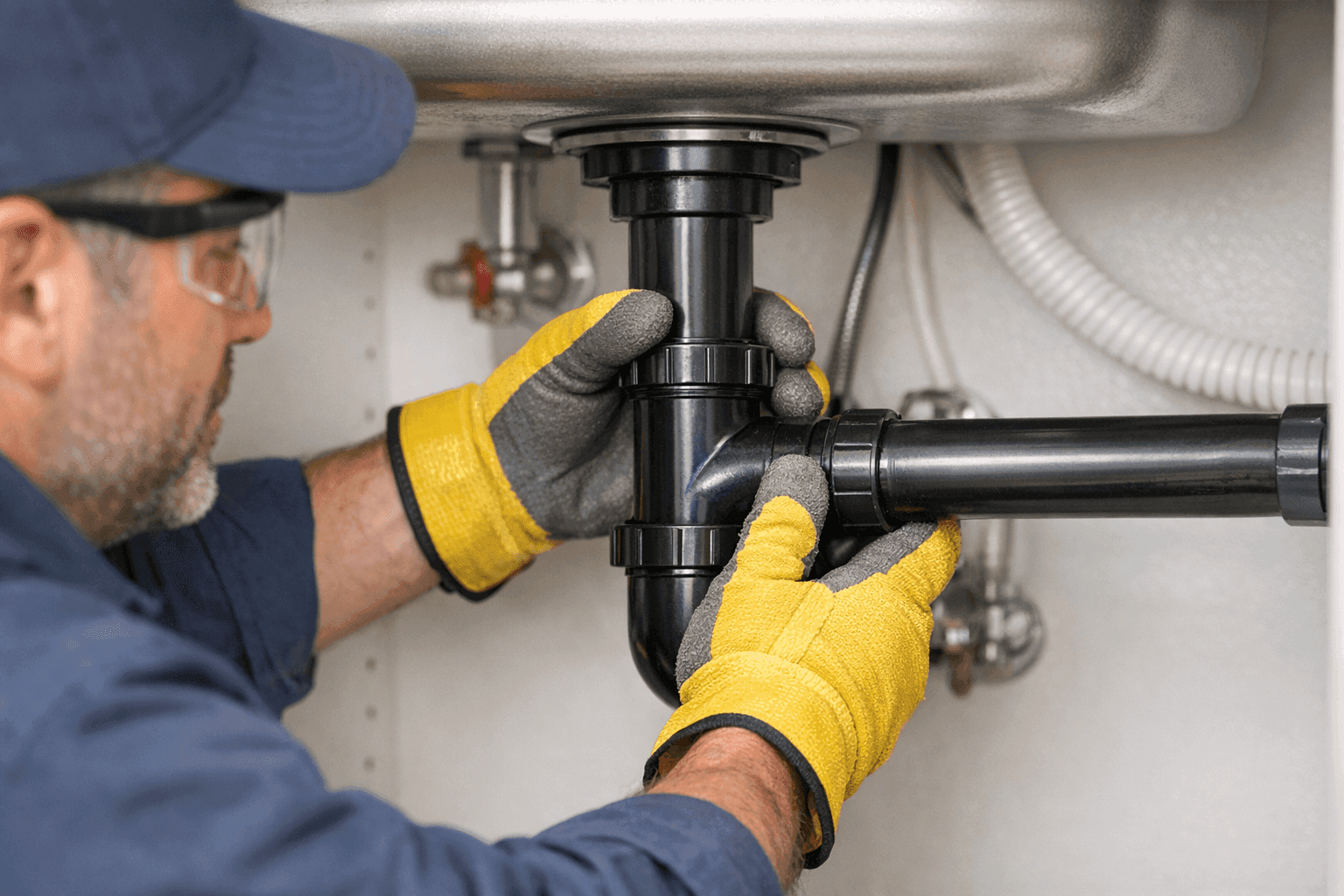
Is your sink acting up? The drip-drip of a leak or the slow drain that won’t clear can drive anyone up the wall. At Peters Flo Plumbing, we know how disruptive even a small sink problem can be—especially when you’re trying to keep your home running smoothly.
Let’s break down what’s happening under your sink, what you can safely tackle yourself, and when it’s smart to call a pro. Your sink shouldn’t be a source of stress. Let’s keep it flowing.
Common Sink Problems 🛠️
A sink is like the heart of your kitchen or bathroom—when it falters, everything else feels off. Here are the issues we see most often in homes:
- Leaky faucets: That persistent drip adds up on your water bill.
- Clogged drains: Water pooling around your ankles or dishes? No thanks.
- Low water pressure: Washing hands or rinsing veggies shouldn’t take forever.
- Loose or wobbly faucets: Annoying and often a sign something’s not right underneath.
- Strange smells: Funky odors wafting up? You might have a blockage brewing.
Every one of these problems has its own cause and solution, but they all share one thing: ignore them, and they’ll only get worse.
Quick Safety Checklist Before You Start
Before you crawl under the sink or grab a wrench, stop for a moment:
- Turn off the water supply. There are shutoff valves under most sinks—righty-tighty to close.
- Clear out stored items. Remove cleaning supplies or pans so you have room to work.
- Check for electric connections. If you have a garbage disposal, unplug it.
- Have towels and a bucket handy. Even small jobs can get splashy.
If you run into anything unusual—like corrosion, a broken valve, or a smell of gas—don’t try to muscle through. Safety first.
DIY Sink Repair Tips
Some sink fixes are totally doable for a handy homeowner. Others are best left to those with the right tools and training. Here are safe DIY steps for common issues:
For Dripping Faucets
Most often, a worn washer or O-ring is to blame. Here’s what to do:
- Shut off the water.
- Pry off the faucet handle cap and unscrew the handle.
- Remove the packing nut, then the stem.
- Replace the washer or O-ring with a matching new one.
- Reassemble and turn the water back on.
If the drip remains, the faucet may be corroded or have deeper problems.
For Slow or Clogged Drains
Try these steps:
- Pour boiling water down the drain (unless you have PVC pipes, which can warp).
- Use a plunger with a firm, steady motion.
- Remove and clean the drain trap (the curved pipe under the sink).
Chemical drain cleaners might seem tempting, but they can eat away at your pipes and harm the environment. Stick to mechanical fixes.
For Low Water Pressure
Often, the culprit is a clogged aerator:
- Unscrew the aerator at the tip of the faucet.
- Rinse or soak it in vinegar to dissolve mineral deposits.
- Screw it back on.
Still low? There may be a bigger supply line issue.
When Sink Issues Spell Trouble
Sometimes, a small problem is just the tip of the iceberg. Watch for these warning signs:
- Recurring clogs: If plunging doesn’t solve it, you might have a blockage in the main line.
- Leaks that return: Water under the sink after every fix can mean damaged pipes or a failing seal.
- Visible rust or corrosion: This is a sign your fixture is on its last legs.
- Water pooling beneath the cabinet: Left unchecked, this leads to mold, warped wood, and expensive repairs.
These are not just annoyances. Ignoring them risks water damage, higher bills, and even health hazards from mold or mildew. If in doubt, reach out for professional sink repair near you.
Repair or Replace? Making the Right Choice
How do you know when to keep fixing your sink and when it’s time for something new?
Factors to Consider
- Age of the fixture: Older faucets and sinks (over 10 years) may be nearing the end of their reliable life.
- Cost of repairs: If the fix costs more than half of a new fixture, replacement is usually smarter.
- Frequency of issues: If you’re calling for repairs every few months, that’s a sign.
- Appearance: Sometimes, a fixture is just too worn or stained to revive.
Replacing a sink or faucet can boost your home’s look and even save water if you upgrade to a modern, efficient model.
Preventing Sink Problems Before They Start 🚰
An ounce of prevention truly is worth a pound of cure in plumbing. Here’s how to keep your sinks trouble-free:
- Don’t pour grease or coffee grounds down the drain. These are the main culprits for kitchen clogs.
- Use a drain strainer. It catches hair, food, and other debris.
- Run hot water after each use. Keeps oils moving instead of hardening.
- Inspect under the sink each month. Look for drips, rust, or dampness.
- Schedule annual preventative maintenance. A pro can spot problems before you notice them.
For families in areas with hard water, consider Fixture Installation to extend the life of your fixtures.
When It’s Time to Call a Pro
Some jobs are best left to those with plumbing know-how. If you notice:
- Water damage under the sink or in nearby walls
- Signs of mold
- Persistent leaks despite your best efforts
- Strange noises coming from pipes
- Multiple fixtures draining slowly at once
Don’t risk it. A licensed plumber has the tools, training, and parts on hand. Plus, code requirements (like those from the International Plumbing Code) can be complex. Safe repairs protect your home and your wallet.
What to Expect from a Professional Visit
When a Peters Flo Plumbing technician arrives, here’s what we’ll typically do:
- Inspect all visible plumbing for damage or wear
- Test water pressure and drainage
- Check for leaks using specialized equipment
- Advise on repair vs. replacement based on the situation
- Provide clear estimates and explain every step
No guesswork, just solid solutions.
Costs, Time, and What Disruption to Expect
Quick repairs, like swapping out a faucet cartridge or tightening a joint, often take less than an hour. More complex jobs—like replacing pipes or the entire sink—may take longer, especially if parts need to be ordered.
Costs vary widely. Simple leaks may be inexpensive, but repairs involving custom sinks, specialty fixtures, or extensive damage can add up. Always ask for an upfront quote.
Expect some noise and water shutoffs during repairs, but most jobs can be finished in a day. Your kitchen or bathroom will be left tidy and ready to use.
When Sink Trouble Becomes an Emergency
Some situations need urgent help:
- Burst pipes: Water gushing under the sink? Shut off your main supply and call right away.
- Sewage odors: Smells like rotten eggs or sewage? That’s a sign of a serious blockage or backflow—don’t wait.
- No water at all: Total loss of pressure could mean a major line break.
Emergencies can damage your home in minutes. Don’t hesitate to get help.
Common Sink Repair Mistakes to Avoid ⚠️
DIY repairs can save money, but some missteps can lead to bigger headaches:
- Over-tightening connections: This can crack pipes or strip threads.
- Using the wrong tools: Pliers instead of a basin wrench can damage fixtures.
- Skipping the shutoff: Always stop water flow before you start.
- Neglecting leaks: Even a tiny drip can cause big damage over time.
- Mixing up parts: Keep washers, nuts, and screws organized as you work.
If something doesn’t feel right, step back. It’s better to call a pro than make a costly mistake.
Seasonal Sink Considerations
In colder months, pipes under sinks—especially against outside walls—can freeze. Open cabinet doors during cold snaps to let warm air in. In spring and fall, check for leaks after big temperature swings, as pipes can expand and contract, loosening connections.
Frequently Asked Questions About Sink Repair
How often should I check for leaks? Monthly is a good habit. Any time you notice a drop in water pressure or see a water stain, check immediately.
Do I need special tools for basic repairs? Most jobs just need a wrench, pliers, and a screwdriver. For stubborn clogs, a plunger or small hand auger is handy.
Is it safe to use chemical drain cleaners? Generally, no. They can damage pipes and harm your plumbing in the long run.
How do I know if I need professional leak repair? If you can’t stop the leak with basic fixes, or if you see water damage, call for leak repair help.
Building a Healthy Plumbing Habit
Your sink is a workhorse, but like any part of your home, it needs attention now and then. A little awareness goes a long way—listen for drips, watch for slow drains, and don’t ignore the signs. When you take care of small issues, you prevent big problems down the road.
If you’re looking for reliable plumbing help or need Backflow Prevention near you, check out our team serving the Catalina Foothills plumbing area—we’re ready to lend a hand.
Call Peters Flo Plumbing now — or reach us anytime at 877-331-9687 .