Signs Your Gas Line Needs Immediate Attention
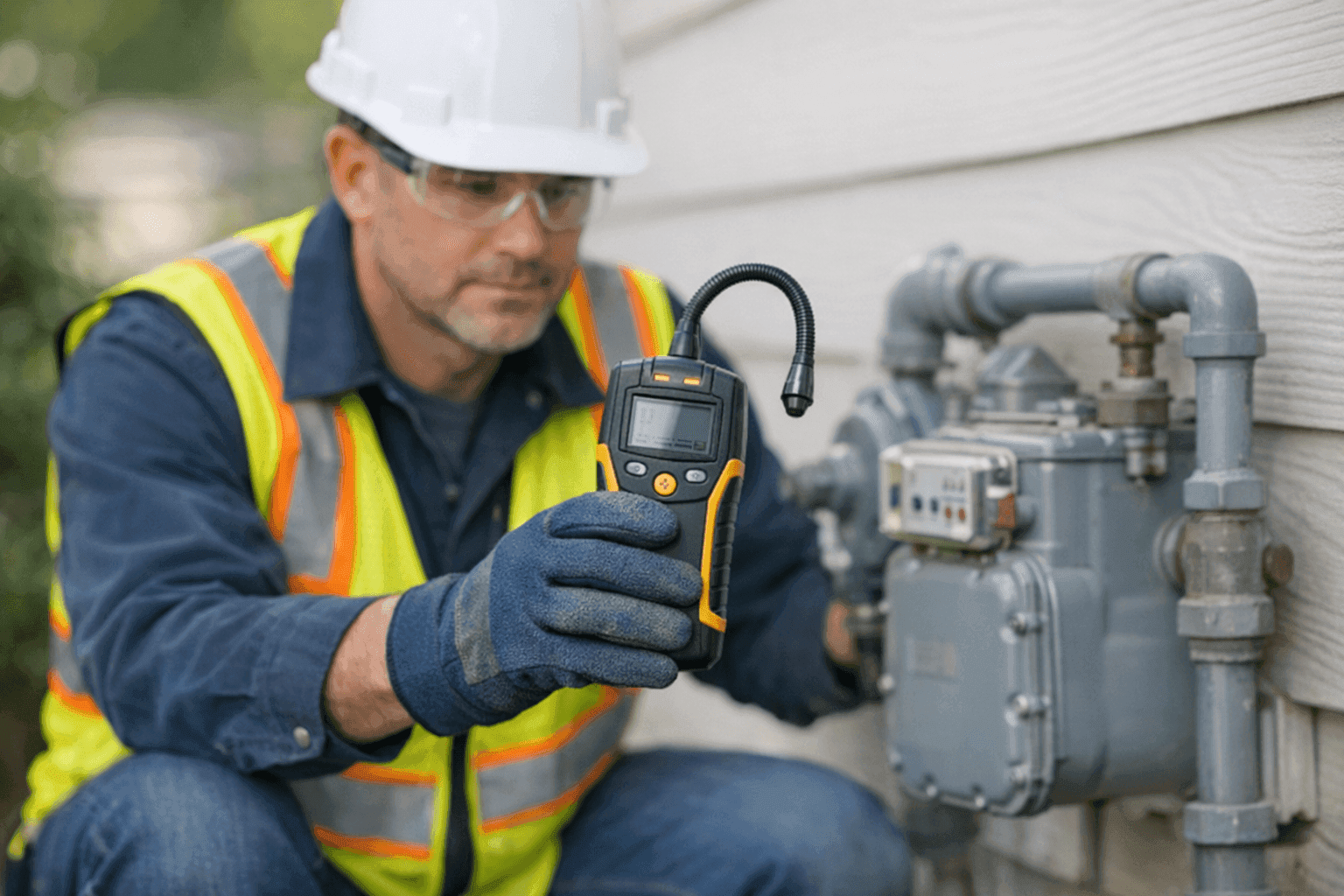
Gas lines are the silent lifeline of your home. They power stoves, heaters, water boilers—without a second thought, you rely on them daily. But when something goes wrong, the risks are immediate and serious.
At Peters Flo Plumbing, we know the signs of a gas line problem aren’t always obvious. Spotting trouble early can be the difference between peace of mind and a dangerous emergency. Let’s break down the warning signs, what to do, and how to keep your family safe.
Warning Signs of Gas Line Problems 🛑
Some signs of gas line trouble scream for attention. Others whisper. Here’s what to watch for:
- Rotten egg smell: Utilities add a sulfur-like odorant (mercaptan) to natural gas. If your home suddenly smells like rotten eggs, it could signal a leak.
- Hissing or whistling sounds: Gas escaping under pressure often makes a hissing noise near pipes, appliances, or meters.
- Dead or dying vegetation: Patches of yellowing grass or plants above a buried gas line can mean gas is leaking underground, poisoning roots.
- Bubbles in standing water: If you notice bubbles in puddles or wet ground near the gas line, that’s a red flag.
- Physical symptoms: Headaches, dizziness, nausea, or feeling lightheaded indoors? Gas leaks can reduce oxygen levels quickly.
- Malfunctioning appliances: Trouble lighting your stove or inconsistent flames? Gas pressure issues can cause appliances to act up.
These warning signs aren’t just inconveniences. They’re urgent signals your gas line may need professional attention—fast.
What to Do if You Suspect a Gas Leak
Don’t panic. But don’t ignore it. Think of a gas leak like a fire alarm: act quickly, calmly, and safely.
- Leave the Area
Get everyone—including pets—out of the home immediately. - Don’t use electrical devices
Avoid light switches, phones, or anything that might create a spark. - Don’t try to find the source
Leave investigating to professionals. A wrong move can make things worse. - Call 911 or your gas utility from a safe distance
Use a neighbor’s phone or your mobile—away from the house.
Your safety comes first. Once all is clear, call a licensed plumber to inspect and repair the gas line.
Quick Safety Checklist
- Smelled rotten eggs? Evacuate.
- Heard a hissing near appliances? Evacuate.
- Noticed dead plants along a gas line? Call for help.
- Feeling dizzy or nauseous at home? Leave and seek fresh air.
When in doubt, always choose caution over convenience.
What Pros Do On Arrival
When Peters Flo Plumbing arrives, we don’t take chances. Licensed plumbers use specialized equipment—like electronic gas detectors—to pinpoint leaks fast. Our team inspects visible pipes, joints, and connections for corrosion, damage, or loose fittings.
If repairs are needed, we follow the National Fuel Gas Code (NFPA 54) and local guidelines. Safety is our blueprint; every step is calculated to restore your home’s gas supply without cutting corners.
DIY vs. Call a Pro
You wouldn’t patch a leaky roof in a thunderstorm. Gas lines demand the same respect.
DIY fixes can make leaks worse—or even deadly. Only licensed plumbers have the tools, training, and legal authority to work on gas lines.
If you’re ever unsure, always call a pro. Gas work isn’t just plumbing—it’s life safety.
Prevention & Maintenance
Routine checkups catch problems before they become emergencies. Schedule annual inspections for all gas appliances and lines. Ask your plumber about Backflow Prevention to keep your water supply safe as well.
Seasonal changes—like freezing winters or shifting soil—can stress gas lines. If you’ve had recent home renovations, always check that lines weren’t accidentally damaged.
Costs & Time Factors
Gas line repairs can vary. Small leaks at appliance connections are sometimes fixed quickly. Larger underground leaks or full line replacements take longer and may cost more—but safety is always worth it.
Our team will walk you through the process, from inspection to repair, so there are no surprises.
When It’s an Emergency
If you smell gas, see bubbles in water, or hear hissing—leave immediately and call for help. Never wait. Emergencies don’t follow schedules, and neither do we. For urgent situations, our emergency plumbing team is ready to respond day or night.
Common Mistakes Homeowners Make
- Ignoring a faint gas smell, hoping it will go away.
- Trying to fix or tighten gas connections without training.
- Using open flames to “test” for leaks.
- Not scheduling regular inspections.
Don’t gamble with safety. If something feels off, call in the pros.
Timeline & Home Disruption
Minor repairs may only take a couple hours. Larger jobs—like repiping—can take a day or two, sometimes more. We’ll always explain what to expect, so you can plan with confidence.
Materials and Equipment
Modern gas lines use materials like flexible CSST or rigid black iron pipe, each with different strengths. We choose the safest, code-approved materials for every job. Specialized detectors, pressure gauges, and soapy solutions help us find even the smallest leaks.
Seasonal Considerations
Cold weather can cause pipes to contract and crack. Heavy rains may shift soil, stressing underground lines. Spring is a smart time to schedule a gas line inspection—before you fire up grills or install new appliances.
FAQ: Gas Line Safety
Can I check for leaks with soap and water?
You can spot small leaks this way, but it’s not foolproof. Always call a professional for a full inspection.
How often should gas lines be inspected?
The U.S. Consumer Product Safety Commission recommends annual checks, especially in older homes or after renovations.
What’s the difference between a gas leak and backflow?
Gas leaks involve the fuel lines; backflow is about contaminated water moving in the wrong direction. Both require immediate attention from a licensed plumber.
Gas Line Safety Tips for Every Homeowner 🏡
- Schedule yearly gas line inspections.
- Check appliance connectors and hoses for wear.
- Keep vents and flues clear of debris.
- Always hire a licensed plumber for gas work.
Want more tips? Our Brookhaven plumbing specialists can answer your toughest safety questions.
The Bottom Line: Protect Your Home & Family
Gas line safety is non-negotiable. If you notice even one warning sign, don’t wait. Quick action could save lives. Regular professional inspections, paired with a little vigilance, go a long way.
Call Peters Flo Plumbing now — or reach us anytime at 877-331-9687 .