Sewer Line Repair: Causes, Warning Signs, and Solutions
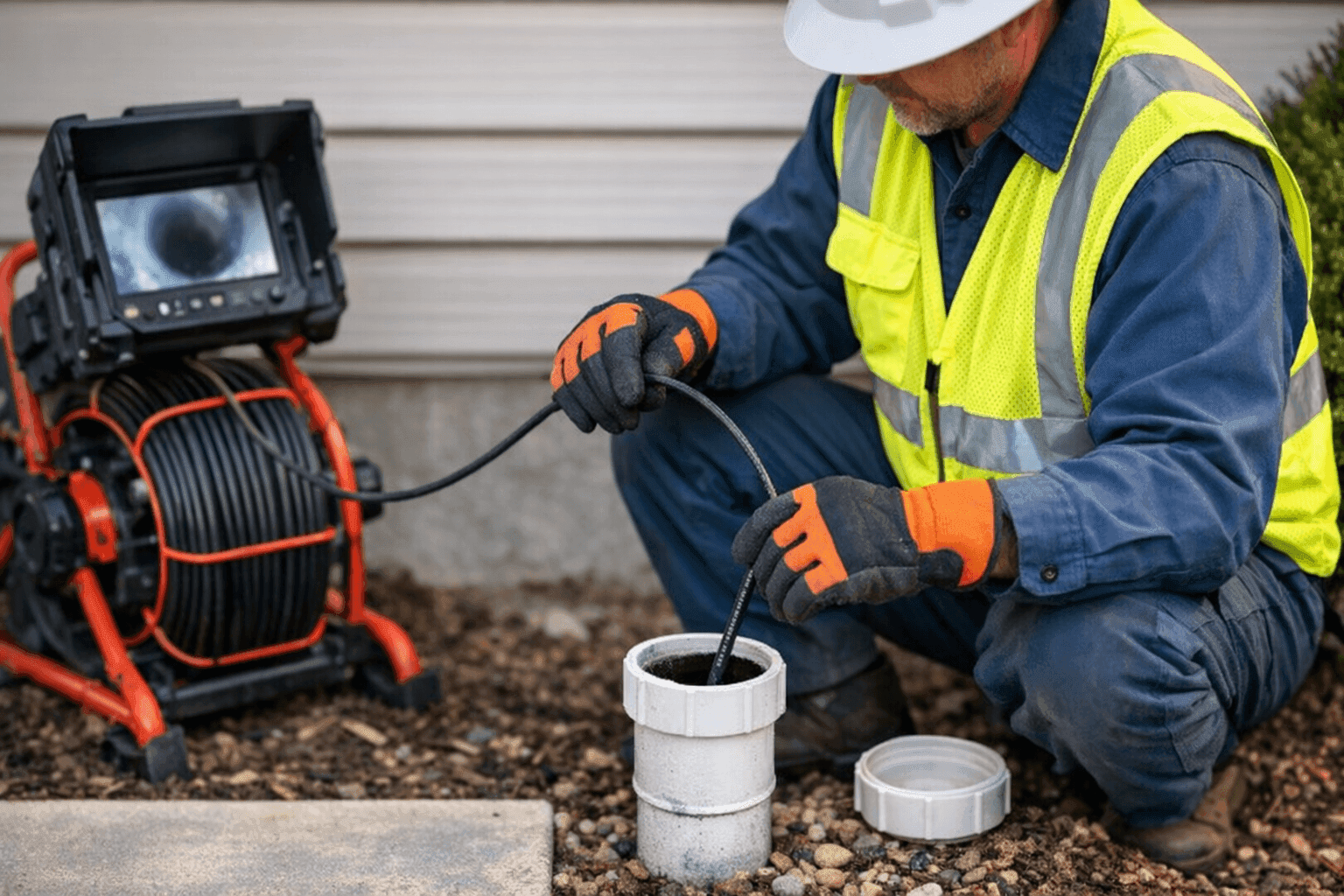
Does the smell of sewage ever linger near your home? Slow drains, soggy spots in the yard, or strange gurgling sounds coming from your pipes can signal a sewer line problem. These issues don’t just disrupt your day—they can create costly damage if ignored.
At Peters Flo Plumbing, we know the stress and uncertainty that comes with plumbing trouble. Our team helps homeowners make sense of sewer line repairs, offering clear explanations and honest guidance every step of the way.
Common Causes of Sewer Line Failure 🚧
Sewer lines are the underground highways that carry waste from your home. When they fail, everything grinds to a halt. So, what goes wrong?
- Tree Root Invasion: Roots hunt for water. They slip through tiny cracks, then grow and block the pipe—sometimes shattering it.
- Aging Pipes: Older materials like clay or cast iron corrode and break down over time. Like a worn-out garden hose, leaks and collapses follow.
- Grease and Debris Buildup: Pouring fats, wipes, or coffee grounds down the drain can choke your pipes, causing backups.
- Shifting Soil or Construction: New landscaping, roadwork, or even heavy rain can shift earth and snap pipes.
- Poor Installation: A shortcut decades ago can mean big problems today.
The Uniform Plumbing Code and the International Plumbing Code both stress the importance of approved materials and proper installation to avoid these failures. If your home is older, or you suspect past DIY plumbing, it’s wise to stay alert.
Warning Signs at Home
Sewer line issues don’t always shout—they often whisper. Here’s what to watch for:
- Frequent Clogs: If every drain in the house slows at once, trouble’s brewing underground.
- Strange Noises: Gurgles, burps, or bubbling sounds after flushing or draining.
- Bad Odors: A constant sewage smell, especially in the basement or yard, is never normal.
- Wet Spots or Sinkholes: Unexpected puddles or soft ground above your sewer route.
- Toilet Trouble: Water levels that rise or fall for no reason, or toilets that refuse to flush.
Ignoring these signs risks full-on backups, property damage, and even exposure to harmful bacteria.
What To Do First: Quick Safety Checklist
If you spot a warning sign:
- Avoid Using Water: Limit flushing, laundry, or showers to prevent overflow.
- Check for Visible Leaks: Look at the basement, crawl space, and yard for standing water.
- Don’t Use Chemical Drain Cleaners: They can worsen certain pipe damage.
- Ventilate Affected Areas: Open windows if sewage odors are strong.
- Call a Licensed Plumber: Sewer line repairs must follow local plumbing codes for your safety.
Repair Options: Trenchless and Traditional
No two sewer repairs are the same. At Peters Flo Plumbing, we match the method to your home’s needs and budget.
Trenchless Sewer Line Repair
This modern technique is like a plumbing “keyhole surgery.” No need to dig up your whole yard. We use specialized tools to thread a lining through the existing pipe, sealing cracks and stopping leaks.
Benefits:
- Minimal disruption to landscaping
- Faster completion (often within a day)
- Durable, code-compliant results
Best for: Pipes with cracks or small sections of damage.
Traditional Sewer Line Replacement
Sometimes, pipes are too damaged for trenchless methods. We may need to excavate and replace sections or the entire line.
What to Expect:
- Some digging in affected areas
- Removal of broken or collapsed pipe
- Installation of brand-new, code-approved materials
Best for: Severe root invasion, total collapses, or misaligned joints.
Want to see how we inspect before repair? Learn more about our sewer line inspection services.
DIY vs. Professional Help
Sewer line repairs aren’t a weekend project. The risks—both to your property and your safety—are real. Improper repairs can lead to code violations, future leaks, or even hazardous sewage exposure.
A licensed plumber arrives with the right tools: sewer cameras, pipe locators, and years of experience. We also handle permits and safety checks, so you’re never left guessing if the job is done right.
The Peters Flo Plumbing Repair Process
Transparency matters. Here’s what happens when you call us:
- Assessment: We listen to your concerns and inspect your plumbing using advanced cameras.
- Diagnosis: You’ll get a clear explanation of the issue and recommended options.
- Estimate: We provide an upfront estimate, explaining costs, timelines, and any potential disruptions.
- Repair: Our team works efficiently, respecting your home and property.
- Final Inspection: We test everything and clean up before we go.
Communication is key. You’ll always know what’s happening and why.
Costs and Time Factors
Sewer repairs range in price depending on:
- Extent and location of damage
- Method (trenchless is often less invasive, sometimes more cost-effective)
- Materials needed
- Access to the line (under driveways or large trees can add complexity)
Most repairs take one to three days, but some can be completed in hours—especially if caught early.
When It’s an Emergency
Sewage backups or sudden flooding are emergencies. Raw sewage is dangerous. If you see water backing up from multiple fixtures, stop using water immediately and call us. We respond to emergency plumbing calls 24/7.
Seasonal Considerations
Winter brings frozen ground and pipes. Summer storms can saturate soil and stress old lines. If your home is in a flood-prone area, regular inspections can prevent surprise disasters.
Common Mistakes Homeowners Make
- Delaying repairs to “see if it gets better”
- Using harsh chemicals that corrode pipes
- Planting large trees over sewer lines
- Ignoring slow drains
Proactive action saves time, money, and stress.
Preventing Future Issues 🛡️
Once your line is repaired, you’ll want to keep it healthy. Here’s how:
- Schedule annual inspections: Especially if your home is older or has had past issues.
- Don’t flush wipes or grease: Even “flushable” wipes cause blockages.
- Install backflow prevention devices: Protects your home from city sewer surges.
- Regular drain cleaning: Keeps buildup at bay (see our drain cleaning solutions).
For more about plumbing and preventative maintenance, check out our Coeur d’Alene plumbing services for homeowners looking for trusted help near you.
FAQ: Sewer Line Repair
How often should I inspect my sewer line?
Most homes benefit from a professional inspection every 1–2 years, especially if you have trees nearby.
Can insurance cover sewer line repairs?
Sometimes, but not always. It depends on your policy and the cause of damage. Check with your provider.
Is trenchless repair always possible?
Not always. Severe collapses or misaligned pipes may require traditional methods.
What codes apply to sewer repairs?
Repairs must comply with local plumbing codes and national standards like the IPC and UPC. Our licensed team ensures all work is code-compliant.
Ready to Act? Take the First Step
Sewer line issues won’t fix themselves. Early action means less damage, lower costs, and a safer, healthier home.
Call Peters Flo Plumbing now — or reach us anytime at 877-331-9687 .