Sewer Line Installation: What Homeowners Need to Know
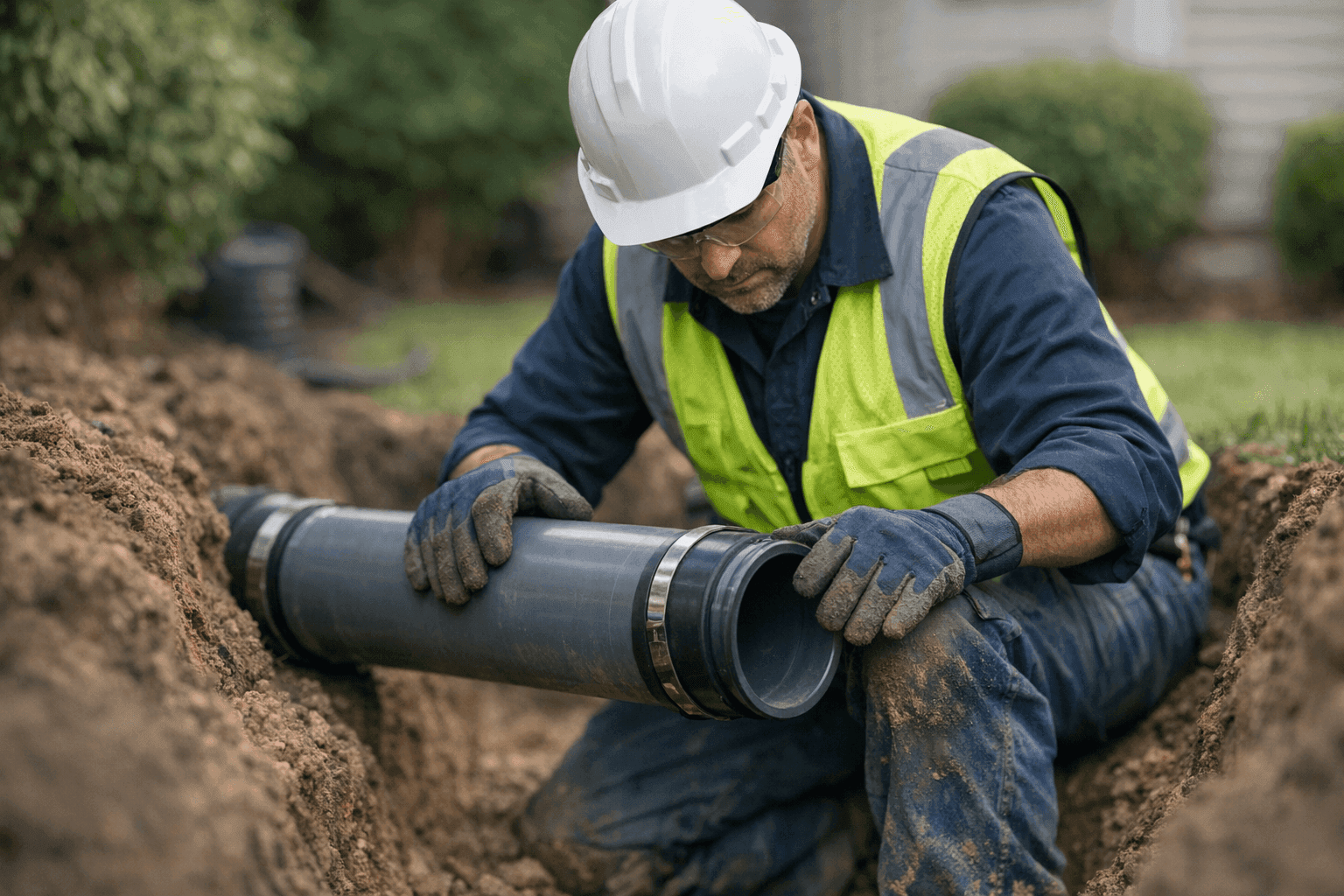
Sewer line problems don’t wait for a convenient time. When things go wrong underground, the signs can be subtle—or suddenly overwhelming. At Peters Flo Plumbing, we’re here to help you understand what’s happening beneath your home, and what steps lead to a safe, reliable solution.
Whether you’ve spotted damp patches in your yard or your drains are moving slower than a lazy river, knowing when—and how—to replace a sewer line can save you stress and money. Let’s dig into the essentials every homeowner should know.
When You Need a New Sewer Line 🚨
Sewer lines are like the arteries of your home. When they’re blocked, cracked, or worn out, everything backs up. Here’s when to consider a new installation:
- Frequent Backups: Repeated clogs in toilets, tubs, or sinks.
- Lush, Soggy Lawn Patches: Unusual green spots or moisture where you shouldn’t have any.
- Unpleasant Odors: Persistent sewage smells indoors or outside.
- Old Pipes: Homes built before the 1980s may have clay or cast iron that’s prone to failure.
- Major Renovations: Adding a bathroom or upgrading plumbing? Sometimes the old line just can’t keep up.
If you’re experiencing these issues, a sewer line inspection is your first step. This helps pinpoint the problem before deciding on replacement.
Quick Safety Checklist
Sewer work isn’t just dirty—it’s potentially dangerous. Before any digging starts, keep these safety points in mind:
- Call 811: Locate underground utilities to avoid gas or power line accidents.
- Proper Gear: Gloves, goggles, and masks protect against bacteria and debris.
- Children & Pets: Keep them away from work zones for their safety.
- Ventilation: If working indoors, ensure the area is ventilated to avoid harmful fumes.
Safety isn’t optional. At Peters Flo Plumbing, we follow guidelines from the Occupational Safety and Health Administration (OSHA) and local code authorities.
What Happens During Sewer Line Installation
Let’s walk through the process, step by step. Think of it like open-heart surgery for your home’s plumbing:
- Assessment & Mapping: Pros use video inspection tools to locate the line and damage.
- Permitting: Securing proper permits before any shovels hit the soil.
- Excavation: The old line is exposed, usually with a trench. Sometimes, trenchless methods are used to minimize disruption.
- Old Pipe Removal: Damaged sections are carefully taken out.
- New Pipe Installation: Modern, durable pipes are set in place, sloped for smooth flow.
- Testing: Water and pressure tests check for leaks or misalignments.
- Backfilling & Restoration: Soil is replaced, and the lawn or driveway is returned as close to normal as possible.
Some jobs are fast; others take several days, especially if access is tricky or weather plays a role.
Permits & Code Compliance 🏗️
Plumbing isn’t the Wild West. Local building codes set strict rules for sewer line work. Here’s what you should know:
- Permits Required: Most cities require permits for any sewer replacement. Skipping this can lead to fines or failed inspections.
- Inspections: Work must be inspected before the trench is closed. This ensures everything meets code for your safety.
- Licensed Plumbers Only: In most areas, sewer work must be done by a licensed pro—no exceptions.
You can check requirements with your city’s building department or reference guidelines from the International Plumbing Code (IPC). At Peters Flo Plumbing, we handle all the paperwork so you don’t have to sweat the details.
Choosing the Right Pipe Materials
Just like you wouldn’t wear sandals in a snowstorm, you shouldn’t use the wrong pipe for your sewer line. Here are common options:
- PVC (Polyvinyl Chloride): Lightweight, resistant to corrosion, and cost-effective.
- ABS (Acrylonitrile Butadiene Styrene): Another plastic option, tough but sensitive to sunlight.
- Cast Iron: Durable and quiet, but heavy and prone to rust over decades.
- Clay: Rarely used today; old clay pipes often crack or collapse.
Each material has its strengths depending on soil conditions, pipe depth, and your budget. Our team will recommend what fits your home best.
Timeline & Disruption: What to Expect
Let’s be real—sewer line installation isn’t invisible. Here’s what you might see:
- Digging: Expect trenches in your yard, driveway, or even inside the house if lines run beneath the slab.
- Noise: Excavators and saws aren’t quiet.
- Water Off: Short periods with water shut off, especially during tie-in.
- Cleanup: Reputable plumbers will restore your lawn and clean the job site.
Most projects wrap up in 1–3 days, but tough jobs can take longer. We’ll keep you informed every step of the way.
DIY vs. Call a Pro
Some home repairs are fine for a Saturday afternoon. Sewer work isn’t one of them.
- Specialized Tools: Video cameras, pipe lasers, and trenchers aren’t in most garages.
- Health Risks: Sewage exposure is hazardous.
- Legal Issues: Most places require a licensed plumber and official inspection.
Trying to DIY this is like baking bread in a toaster—technically possible, but it’ll make a mess.
Preventing Future Sewer Line Problems 🛡️
An ounce of prevention beats a pound of repair. Once your new line is in:
- Avoid Flushing Wipes: Even “flushable” wipes can snag and clog.
- Keep Roots at Bay: Tree roots love sewer pipes. Avoid planting too close.
- Regular Sewer Line Inspections: Early checks catch small issues.
- Don’t Pour Grease: Kitchen fats harden inside pipes.
Simple habits can extend the life of your investment.
Seasonal Considerations
Weather matters. In winter, frozen ground slows excavation. Spring brings rain and mud. Summer’s dry soil is easier to work with, but demand may be higher.
If you can plan ahead, spring and fall often strike the right balance. But emergencies don’t always wait for good weather.
Emergency Situations: When to Act Fast
Sewage flooding your basement? Toilets gurgling or water backing up into tubs? These are red alerts.
- Shut Off Water: This can slow the mess.
- Avoid Electrical Hazards: Don’t touch outlets or appliances near water.
- Call a Plumber: Immediate help is critical.
Our emergency plumbing service is ready when you need urgent help with a severe backup or plumbing failure.
Costs and Time Factors
Every home is different. Factors that affect price and project length include:
- Pipe Length and Depth: More digging equals more time and cost.
- Obstacles: Trees, driveways, or outbuildings complicate access.
- Soil Type: Rocky or wet soil is harder to dig.
- Permit Fees: Local fees vary.
A clear estimate up front means no surprises down the road.
Common Mistakes Homeowners Make
- Ignoring Early Signs: Waiting too long means bigger repairs.
- Choosing the Cheapest Bid: Quality matters more than price for underground work.
- Skipping Inspections: Uninspected work can lead to fines and re-digging.
- Planting Trees Over Pipes: Roots will find their way in.
If in doubt, ask questions. Our team is happy to explain every step.
What Happens After Installation?
Once the trench is filled and grass regrows, don’t forget about your new sewer line:
- Routine Maintenance: Schedule checks every few years.
- Know Your Cleanout: Locate where your line can be accessed in an emergency.
- Watch for Warning Signs: Slow drains or bad smells mean it’s time to call.
Good maintenance keeps your system running smooth for decades.
FAQs: Sewer Line Installation Edition
Q: How long does a new sewer line last?
A: Modern pipes can last 50 years or more with proper care.
Q: Will my yard be ruined?
A: Some disruption is unavoidable, but we restore landscaping as best as possible.
Q: Can I stay home during the work?
A: Yes, but expect some noise and temporary water shut-offs.
Q: Is trenchless installation an option?
A: Sometimes. We’ll assess if it’s a fit for your property.
Still have questions? Just ask. We’re here to help make the process clear.
Final Thoughts: Peace of Mind Starts Below the Surface
Sewer line installation isn’t glamorous, but it’s vital to your home’s health. With the right planning, materials, and licensed professionals, you’ll have a system that works quietly in the background for years to come.
For plumbing help—from Sewer Line Repair to leak repairs—Peters Flo Plumbing is at your service.
Call Peters Flo Plumbing now — or reach us anytime at 877-331-9687 .