Sewer Line Inspection: What’s Involved & Why It Matters
Nobody wants to think about what’s flowing beneath their home until it stops flowing altogether. Plumbing problems can start out small—slow drains, odd smells—and become big headaches overnight. At Peters Flo Plumbing, we know that a sewer line inspection isn’t just another service. It’s your best defense against hidden problems that can turn your life upside down.
If you’re like most homeowners, you probably haven’t peered into your sewer line recently. That’s where we come in. Our team brings years of hands-on experience, the right tools, and a no-nonsense approach to keeping your plumbing running smoothly.
What Is a Sewer Line Inspection? 🚦
A sewer line inspection is like a checkup for your home’s circulatory system. Instead of blood vessels, we’re talking about the pipes that carry waste and water away from your house. Over time, these pipes can get clogged, cracked, or invaded by tree roots.
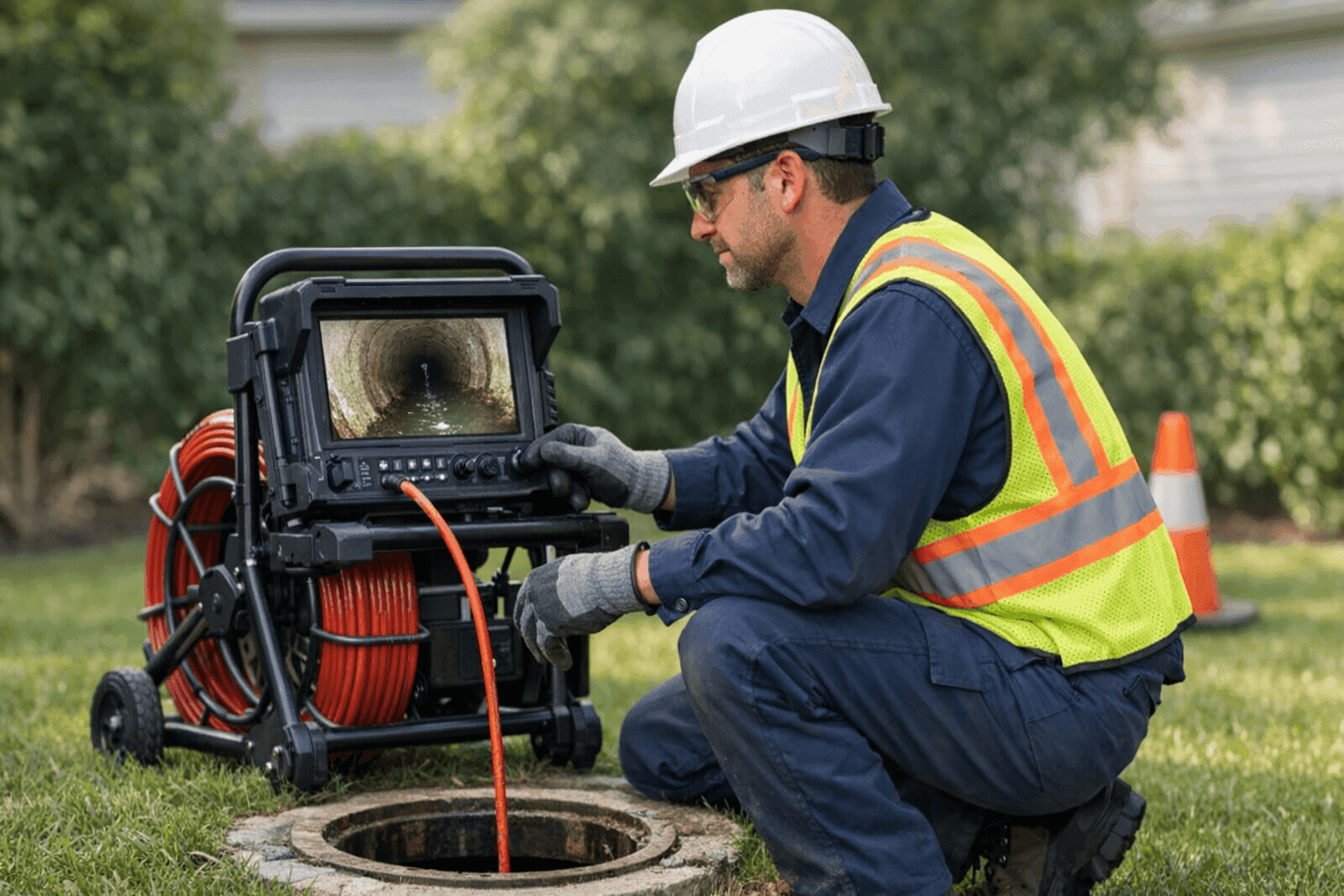
We use specialized plumbing cameras to travel deep inside your main line. Think of it as sending a tiny submarine on a mission—navigating twists, turns, and the unknown. The camera gives us a live, high-definition view of everything inside, so we can spot issues early.
Signs You Need an Inspection
Don’t wait for disaster to strike. Catching sewer line trouble early can save your floors, your landscaping, and your wallet. Watch for these warning signs:
- Slow drains in multiple rooms
- Unexplained wet spots in the yard
- Gurgling noises from toilets or sinks
- Persistent sewer odors inside or out
- Frequent backups or overflowing toilets
If any of these sound familiar, it’s time to take a closer look.
How Camera Inspections Work
Curious about what actually happens during a sewer line inspection? Here’s how it unfolds:
- Accessing the Cleanout: We find the main access point—usually a capped pipe outside or in your basement.
- Inserting the Camera: A flexible rod with a waterproof camera is fed into the pipe. The camera sends real-time video to a handheld screen.
- Navigating the Line: We steer through bends and joints, searching for anything out of the ordinary—blockages, cracks, roots, or corrosion.
- Pinpointing Issues: The camera is equipped with a locator, so we can identify the exact spot and depth of any problem.
It’s efficient, non-invasive, and a lot cleaner than digging up your yard just to “see what’s going on.”
Common Issues Found
A camera inspection reveals problems you’d never spot from above ground. Some frequent culprits include:
- Tree root invasions (roots seek out tiny cracks and force their way in)
- Grease buildup narrowing the pipe
- Bellied (sagging) pipes holding water
- Cracks, corrosion, and joint separations
- Collapsed or broken pipe sections
- Foreign objects accidentally flushed down the drain
Each of these can lead to bigger problems if not handled quickly.
Benefits of Early Detection 🛠️
Catching issues before they escalate is like spotting a pothole before it pops your tire. Here’s how early sewer line inspections help:
- Save Money: Small repairs now are cheaper than major excavation later.
- Protect Your Home: Prevent messy, costly backups that damage floors and walls.
- Avoid Surprises: Know what you’re dealing with before buying or selling a house.
- Comply with Local Codes: Many municipalities (see International Plumbing Code and local guidelines) require inspections before major plumbing work.
DIY vs. Call a Pro
While it’s tempting to pour a little drain cleaner and hope for the best, sewer lines are no place for guesswork. A professional plumber brings:
- Certified equipment designed for safety and accuracy
- Years of experience interpreting what the camera sees
- Knowledge of municipal codes and repair techniques
- Insurance to protect you if something goes awry
Trying to fix sewer line problems without the right tools is like performing surgery with a butter knife.
What to Expect When a Pro Arrives
When Peters Flo Plumbing shows up, you can count on:
- A thorough walkthrough of your plumbing layout
- Respectful treatment of your property (boot covers, drop cloths, careful equipment handling)
- Clear explanations of what we find—with video footage you can see for yourself
- Honest recommendations for next steps, whether it’s a simple cleaning or a more involved repair
We’re here to help you make informed decisions, not to upsell you on services you don’t need.
When Is It an Emergency?
Some sewer line issues can wait a day. Others need attention right now:
- Multiple drains backing up at once
- Sewage smells indoors
- Water pooling near the foundation
If you’re facing any of these, don’t wait—call us immediately. Fast action can prevent property damage and health risks.
Timeline & Disruption
Worried about how long an inspection takes? Most camera inspections are wrapped up in under two hours. Because we don’t need to dig, disruption is minimal. You’ll have answers the same day and a plan for what to do next.
Costs & Time Factors
The cost of a sewer line inspection depends on your home’s layout and the length of the line. While it’s an investment, it’s minor compared to the cost of emergency sewer-line-repair or major restoration work.
Prevention & Maintenance Tips
- Don’t flush wipes, dental floss, or hygiene products—even if labeled “flushable”
- Limit grease and food scraps down the kitchen drain
- Schedule regular drain cleaning to prevent buildup
- Plant trees away from sewer lines (roots are relentless!)
- If you’ve just moved in or are planning renovations, get an inspection first
Following these steps keeps your pipes clear and your mind at ease.
FAQ: Sewer Line Inspections
How often should I get a sewer line inspection?
Most homes benefit from an inspection every 2–3 years, or before selling/buying.
Can I use a store-bought camera instead?
Consumer cameras can’t reach as far or provide the clarity of professional-grade equipment.
Is an inspection messy?
Not at all. The process is clean, quick, and leaves your home just as we found it.
Seasonal Considerations
Heavy rains, freeze-thaw cycles, and tree growth can all stress your sewer line. Schedule inspections in spring or fall to catch problems before the extremes of summer and winter.
Common Mistakes to Avoid
- Ignoring slow drains—these are often the first sign of a bigger issue
- Over-relying on chemical drain cleaners—they can damage pipes
- Waiting for a backup before calling for help
Being proactive saves time, money, and a whole lot of hassle.
Code & Safety Guidelines
Peters Flo Plumbing follows all state and national plumbing codes, including the International Plumbing Code and local health department regulations. Safety is our top priority—for your family and our team.
The Peters Flo Plumbing Difference
We treat every home as if it were our own. With transparent communication, licensed professionals, and up-to-date technology, you get answers you can trust. Looking for reliable residential plumbing and Backflow Prevention near you? We’re always here to help.
Ready to See What’s Flowing Beneath Your Home?
Don’t let your next plumbing surprise come from below. Schedule a sewer line inspection with Peters Flo Plumbing and keep your home running smoothly, year-round.
Call Peters Flo Plumbing now — or reach us anytime at 877-331-9687 .