Seasonal Plumbing Tips: Spring, Summer, Fall, and Winter
Maintaining your home's plumbing system can feel a bit like keeping up with the weather—it changes with the seasons and never quite follows the same script twice. One cold snap or a sudden downpour, and you could be looking at a mess no one wants to clean up. At Peters Flo Plumbing, we know how fast things can go sideways. That's why we've put together this easy-to-follow guide to help you prep your pipes, fixtures, and water systems for whatever the year throws your way.
No one wants an unexpected leak during a holiday dinner or a frozen pipe on the coldest night of the year. The good news? With a little know-how and some timely checks, you can avoid most seasonal plumbing emergencies. Let's break things down, season by season, with real-world tips and a professional perspective.
Spring Checklist 🌱
Spring isn’t just for flowers and allergies. As things thaw out, buried plumbing problems often come to the surface. This is the season to check for winter damage and get ahead of leaks or blockages before summer storms hit.
What to Check:
- Outdoor Faucets & Hoses: After freezing temps, look for leaks or drips at hose bibs and outdoor taps. Even a slow drip can signal a cracked pipe behind your wall.
- Sump Pump Test: Pour a bucket of water into the pit. Does the pump start and drain smoothly? If not, schedule a checkup—flood season is on its way.
- Backflow Prevention Devices: Inspect and test all backflow valves. This is crucial for keeping contaminated water out of your drinking supply. For reliable Backflow Prevention, spring is the perfect time for testing and certification.
- Gutters & Downspouts: Clean out leaves and debris. Clogged gutters can force water into your foundation, stressing the pipes that keep your basement dry.
- Toilets & Sinks: Listen for phantom flushes or slow drains. These are often early warning signs of clogs or leaks.
Why It Matters:
Winter’s freeze-thaw cycles can create hidden cracks and loose connections. Catching these early means less water wasted, lower bills, and a safer home.
Summer Precautions ☀️
Hot weather means heavy water use. Sprinklers run daily, kids fill up pools, and guests use more fixtures. All that extra demand can strain your plumbing.
Seasonal Risks:
- Overworked Appliances: Dishwashers, washing machines, and water heaters all get a workout. Check supply hoses for bulges, cracks, or leaks.
- Tree Roots: Warm soil encourages roots to grow—sometimes right through your sewer line. Watch for slow drains or gurgling toilets. A professional Sewer Line Inspection can save you from a smelly, expensive disaster.
- Backflow Incidents: With more irrigation, there’s a higher chance of cross-contamination. Confirm that backflow prevention assemblies are functioning as designed.
- Garbage Disposal Clogs: Summer cookouts mean more food scraps. Always run cold water when using the disposal and avoid fibrous foods.
Pro Tip:
If you plan to be away on vacation, shut off the main water supply and drain pipes where possible. Nothing ruins a trip like coming home to a flooded basement.
Fall Prep 🍂
Leaves start to fall—and so do temperatures. Fall is your window to get ready for winter’s bite.
What to Do:
- Insulate Exposed Pipes: Focus on garages, basements, and crawl spaces. Use foam sleeves or wrap, especially on pipes near exterior walls.
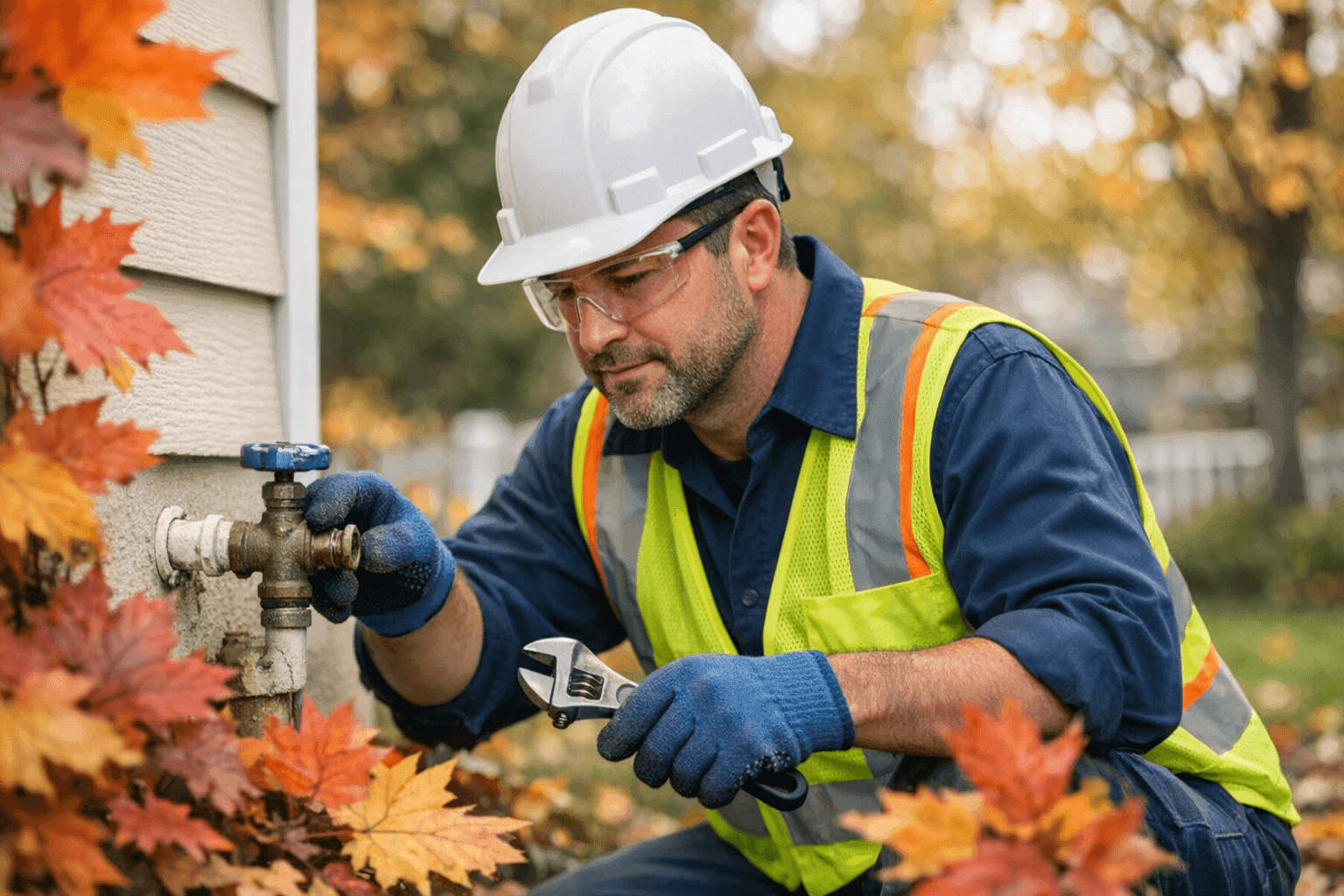
- Drain Outdoor Lines: Remove hoses, drain outdoor faucets, and close inside shut-off valves. This prevents trapped water from freezing and bursting pipes.
- Water Heater Check: Sediment can build up over summer, making your heater less efficient. Flush the tank and inspect for rust or leaks.
- Backflow Testing: Many local codes require annual testing in the fall. Schedule this while you’re winterizing the rest of your system.
- Sump Pump Maintenance: Clean the pit, check the float switch, and verify that the discharge line is clear.
Common Mistakes:
Forgetting to disconnect garden hoses is a classic error. Water left inside can freeze, expand, and split the pipe—often inside your wall.
Winterization ❄️
Winter is the season where a little preparation can prevent disaster. Frozen pipes are one of the most common (and costly) home plumbing emergencies.
Essential Steps:
- Let Faucets Drip: During extreme cold, let a trickle of water run from faucets connected to exterior walls. Moving water is less likely to freeze.
- Seal Gaps: Use caulk or insulation to seal cracks near pipes, especially where they enter the home.
- Check Boiler & Water Heater: Make sure both are set to the manufacturer’s recommended temperature. A failing heater in winter can quickly become an emergency.
- Monitor Water Pressure: Sudden drops in pressure can mean a frozen or burst pipe. Act fast—shut off the main valve and call a plumber.
- Emergency Shutoff: Make sure everyone in the house knows where the shutoff valve is located. Quick action can limit water damage if a pipe bursts.
Safety Note:
Always follow local building codes (see the International Plumbing Code and Uniform Plumbing Code for guidelines). When in doubt, call a licensed plumber to inspect or repair key systems.
DIY vs. Call a Pro
You can handle some tasks yourself—like insulating pipes or clearing gutters. But when it comes to things like backflow prevention, sewer inspections, or leak detection inside walls, professional tools and training matter. Attempting complex repairs without the right knowledge can make things worse.
What Pros Do On Arrival
When you call Peters Flo Plumbing, we come equipped for the season’s challenges. From thermal cameras for winter leak detection to camera scopes for summer sewer checks, our team gets to the root of the problem fast. We follow industry standards and stay up to date with code requirements, so your repairs are safe and built to last.
Prevention & Maintenance
Regular maintenance isn’t just about avoiding emergencies. It also keeps your water cleaner, your appliances running better, and your home more comfortable. Schedule annual checkups for sump pumps, backflow devices, and water heaters. Replace aging hoses and update old shutoff valves before they fail.
Costs & Time Factors
A quick spring inspection or fall drain can take less than an hour and cost far less than emergency repairs. But a burst pipe in winter? That can mean hours without water, costly drywall repairs, and new flooring. Investing a little time now saves a lot of money—and headaches—later.
When It’s an Emergency
- Water gushing where it shouldn’t?
- No hot water on a cold morning?
- Sewage backing up into the tub?
These are all signs to drop the wrench and pick up the phone. Fast response is key to minimizing damage.
Signs of Trouble
- Spikes in your water bill
- Persistent damp spots or musty odors
- Gurgling or bubbling drains
- Water stains on ceilings or walls
If you spot any of these, get a professional assessment before things get worse.
Timeline & Disruption
Most seasonal checks are quick and non-invasive. Major repairs—like repiping or sewer replacement—take longer and may require short water shutoffs. We always work to minimize disruption and keep you informed every step of the way.
Materials & Equipment
Quality matters. Use pipe insulation rated for your climate, and only approved backflow valves or sump pumps. For repairs, stick with materials that meet current plumbing codes.
Common Mistakes
- Ignoring small leaks
- Skipping seasonal maintenance
- Using harsh chemicals in drains
- Over-tightening pipe fittings
These shortcuts can lead to bigger headaches down the line.
FAQ
When should I schedule backflow testing?
Once a year—usually in spring or fall, depending on local code.
Do I need to winterize my plumbing if I’m not leaving town?
Yes. Even if you stay home, pipes in unheated areas can freeze.
How do I know if my sump pump is working?
Test it by pouring water into the pit. It should kick on and remove water quickly.
What’s the most common preventable plumbing emergency?
Frozen pipes—or burst outdoor faucets from forgotten hoses.
Seasonal Considerations: Don’t Skip a Season
Each season brings its own set of risks. By following this checklist, you’ll help protect your home, save money, and avoid the stress of sudden plumbing surprises. And if you’re in the area and need a reliable plumber in State College for home plumbing repairs, Peters Flo Plumbing is always here to help.
Call Peters Flo Plumbing now — or reach us anytime at 877-331-9687 .