How to Safely Use Chemical Drain Cleaners (and When Not To)
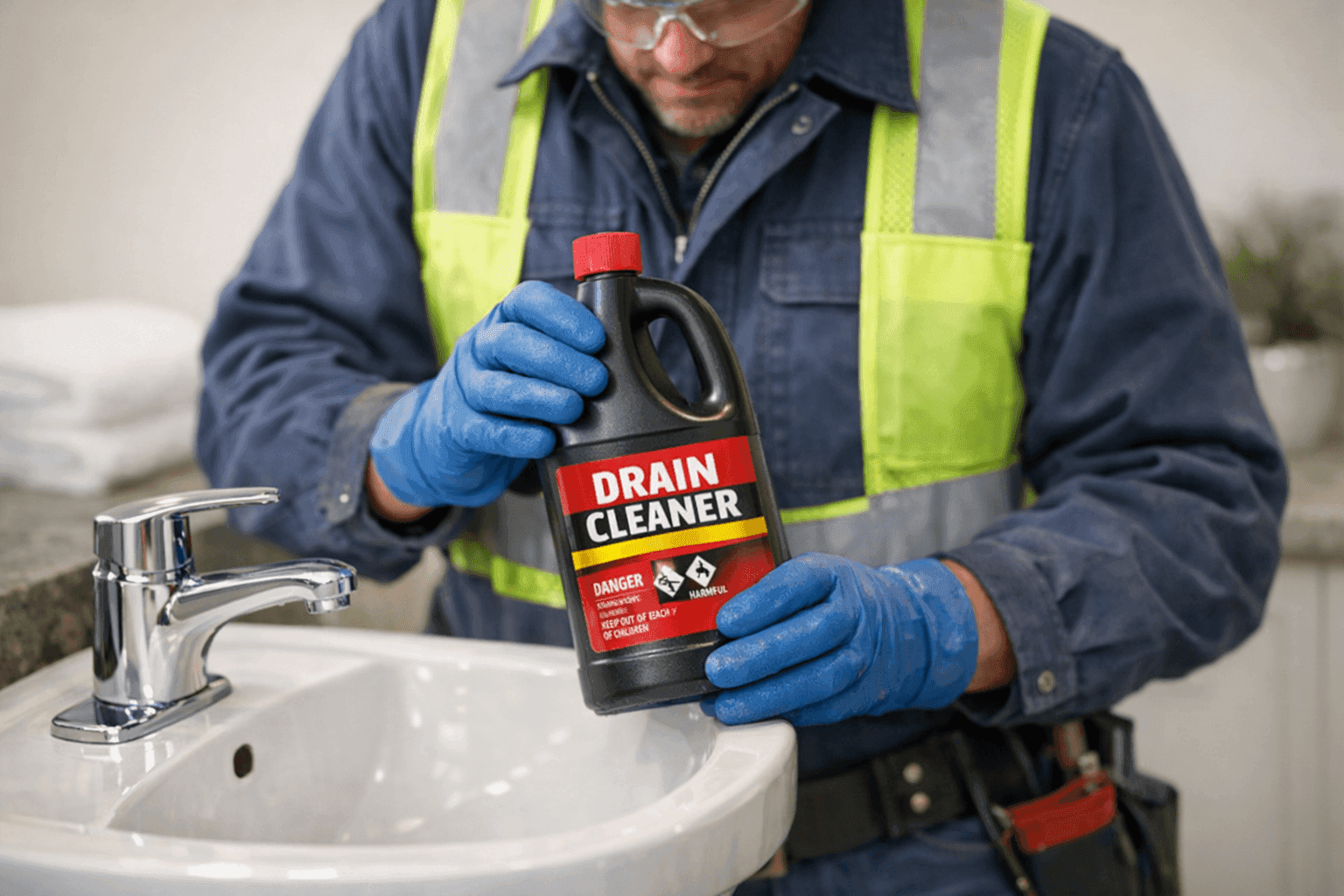
Do you have a stubborn clog that just won’t budge? You’re not alone. Most homeowners face slow drains or sudden backups at some point. The lure of the chemical drain cleaner on the hardware store shelf is strong—it promises a quick fix. But before you pop the top, it pays to know what you’re really pouring down your pipes.
At Peters Flo Plumbing, we believe in keeping your plumbing safe, healthy, and running for years to come. Here’s the honest scoop on chemical drain cleaners—how they work, where they fall short, and when it’s time to call in the professionals.
How Chemical Drain Cleaners Work 🧪
Chemical drain cleaners are like a bulldozer for your pipes. Most use harsh ingredients—think sodium hydroxide (lye), bleach, or sulfuric acid—to break down clogs. When poured into your drain, these chemicals create a reaction that generates heat, fizz, or both. This reaction is meant to dissolve organic materials like hair, soap scum, and grease.
There are three main types:
- Caustic cleaners: Use lye or potash to turn grease into a soapy liquid.
- Oxidizing cleaners: Think bleach or nitrates, which break down materials by changing their chemical structure.
- Acidic cleaners: Usually contain sulfuric acid, rapidly eating away at blockages.
But here’s the catch: Your pipes aren’t immune to these bulldozers. Older or plastic pipes can be damaged by repeated use. Even new pipes can take a beating if the clog is stubborn or the product sits for too long.
Safety Precautions Before You Pour
Before reaching for any chemical, give your safety the same respect you’d give a live wire. Here’s a quick checklist to run through:
- Read the label. Every product is different. Follow instructions to the letter.
- Ventilate the area. Open windows and doors. Fumes are strong and can irritate your lungs or eyes.
- Wear gloves and eye protection. Spills and splashes are more common than you think.
- Never mix products. Combining different cleaners can create toxic gases.
- Keep kids and pets away. Even a closed drain can emit fumes or leak chemicals.
Chemical burns, respiratory irritation, and even poisoning are possible if these steps aren’t followed. According to the U.S. Consumer Product Safety Commission, household cleaners send thousands to the emergency room each year.
The Risks: To Pipes, People, and the Environment
Chemical drain cleaners don’t discriminate. They’ll eat through clogs, but they can also corrode pipes—especially if you have older metal plumbing. Over time, this can lead to leaks, weakened joints, or even full-on bursts.
Other risks include:
- Health hazards: Fumes can irritate lungs and eyes. Accidental contact with skin can cause serious burns.
- Septic systems: Chemicals can disrupt the balance of bacteria in septic tanks, leading to expensive repairs.
- Environmental impact: After the cleaner leaves your home, it ends up in local water systems—potentially harming fish and wildlife.
The short story? Chemical drain cleaners are like using a sledgehammer to hang a picture. Sometimes it works, but you might break something valuable in the process.
When You Should Not Use Chemical Drain Cleaners
There are times when chemical cleaners are simply the wrong tool for the job. Here’s when to steer clear:
- Total blockages: If water isn’t draining at all, the cleaner can’t reach the clog. It may sit above the blockage and damage your pipes.
- Standing water: Pouring chemicals into a sink or tub full of water can dilute the product or cause dangerous splashes.
- Toilets: Most drain cleaners aren’t safe for porcelain or toilet traps. They can crack the bowl or corrode components.
- Old or fragile pipes: Older homes with metal or PVC pipes are at greater risk for chemical damage.
- Repeated clogs: If you’re reaching for the bottle every few weeks, there’s a deeper issue that needs real attention.
Safer Alternatives to Chemical Drain Cleaners
Not every clog needs an industrial-strength solution. Many blockages can be cleared with a little patience and elbow grease:
- Plunger: Simple, effective, and safe for almost every drain.
- Plumbing snake (auger): A flexible tool that can break up or retrieve clogs deep in the line.
- Baking soda and vinegar: Pour half a cup of baking soda, followed by a cup of vinegar. Wait 15 minutes, then flush with hot water. It’s gentle but can work wonders on minor buildup.
- Boiling water: For grease clogs, a slow pour of boiling water can help melt the blockage.
- Enzyme-based cleaners: These use natural bacteria to eat away at organic matter, making them safer for pipes and septic systems.
Preventative Maintenance: Keeping Drains Clear Year-Round 🛡️
A stitch in time saves nine. Regular habits make a huge difference:
- Don’t pour grease or oil down the drain.
- Use drain screens to catch hair and debris.
- Run hot water after each use, especially in the kitchen.
- Schedule an annual Backflow Prevention check to keep contaminants out of your water supply.
Simple routines mean fewer emergencies—and less temptation to reach for harsh chemicals.
When to Call a Pro
If your DIY attempts don’t work, or you notice any of these warning signs, it’s time to get help:
- Frequent or recurring clogs.
- Multiple drains backing up at once.
- Foul odors from drains or fixtures.
- Gurgling sounds in pipes.
- Water backing up into sinks, tubs, or toilets.
A professional plumber from Peters Flo Plumbing has the tools and training to clear tough clogs without damaging your pipes. We use safe, effective methods—like hydro jetting or mechanical snaking—and can spot bigger problems before they turn into disasters.
What to Expect When a Plumber Arrives
Curious about what happens when you bring in the pros? Here’s a typical game plan:
- Inspection: We assess the problem, often with a specialized camera.
- Diagnosis: We pinpoint the clog’s location and cause.
- Clearing the blockage: Using professional-grade tools, we remove the clog without harming your pipes.
- Advice: We’ll share tips for preventing future clogs and may recommend a long-term solution if needed.
Costs, Time, and Disruption
Chemical cleaners might seem cheaper, but if they damage your pipes, repairs can be pricey. Professional drain cleaning is an upfront investment that often saves money in the long run. Most jobs take under an hour, and you’ll usually have full use of your plumbing the same day.
Emergencies: When Time Is of the Essence 🚨
Some plumbing issues can’t wait. If you notice sewage backing up, standing water near electrical outlets, or a sudden drop in water pressure, call immediately. These can be signs of a major blockage—or even a broken sewer line.
If you’re in urgent need, our emergency plumbing team in Idaho Falls is ready to help with blocked drains, leaks, and any other urgent issue.
Common Mistakes With Chemical Cleaners
It’s easy to make a situation worse. Here are some pitfalls to avoid:
- Using too much cleaner, thinking “more is better.”
- Mixing brands or types of cleaners.
- Pouring chemicals into a drain that’s completely blocked.
- Using cleaners on fixtures they weren’t designed for (like toilets).
When in doubt, stop and ask for help.
Drain Problems: Signs You Need More Than a Quick Fix
Some clogs are just the tip of the iceberg. Watch for these red flags:
- Water stains on walls or ceilings (could signal a hidden leak).
- Slow drains throughout the house.
- Persistent sewage smells.
- Unexplained increases in your water bill.
These could point to bigger issues—like broken pipes, root intrusion, or failing backflow prevention devices.
Plumbing Code and Safety Guidelines
Did you know? Local building codes often recommend against regular use of chemical drain cleaners. The International Plumbing Code (IPC) and Uniform Plumbing Code (UPC) both emphasize safe, mechanical methods first. For homes with backflow prevention devices, harsh chemicals can damage seals and compromise your water supply.
Always follow guidelines from organizations like the Environmental Protection Agency (EPA) and your local water authority.
Seasonal Considerations: Clogs Don’t Take Vacations
Colder weather can make grease and soap scum solidify faster, leading to winter clogs. Spring rains sometimes overwhelm outdoor drains. Summer brings more cooking and entertaining—meaning more kitchen clogs.
A little extra care each season can keep your drains healthy. Consider preventative maintenance before holidays or big family gatherings.
Timeline and Disruption: What to Expect
Most chemical drain cleaners work fast, but the aftermath can linger—fumes, residue, and potential pipe damage. DIY methods may take longer, but they’re safer for your plumbing. A professional visit is usually quick, clean, and leaves you with peace of mind.
Final Thoughts: Make the Safe Choice for Your Home
Chemical drain cleaners have their place, but they’re not a cure-all. When used incorrectly, they can create bigger messes—sometimes dangerous ones. There are safer, smarter ways to keep your drains running clear.
If you’re facing a stubborn clog, persistent backups, or just want advice on keeping your plumbing healthy, Peters Flo Plumbing is here to help.
Call Peters Flo Plumbing now — or reach us anytime at 877-331-9687 .