Repiping Your Home: Signs It’s Time and What to Expect
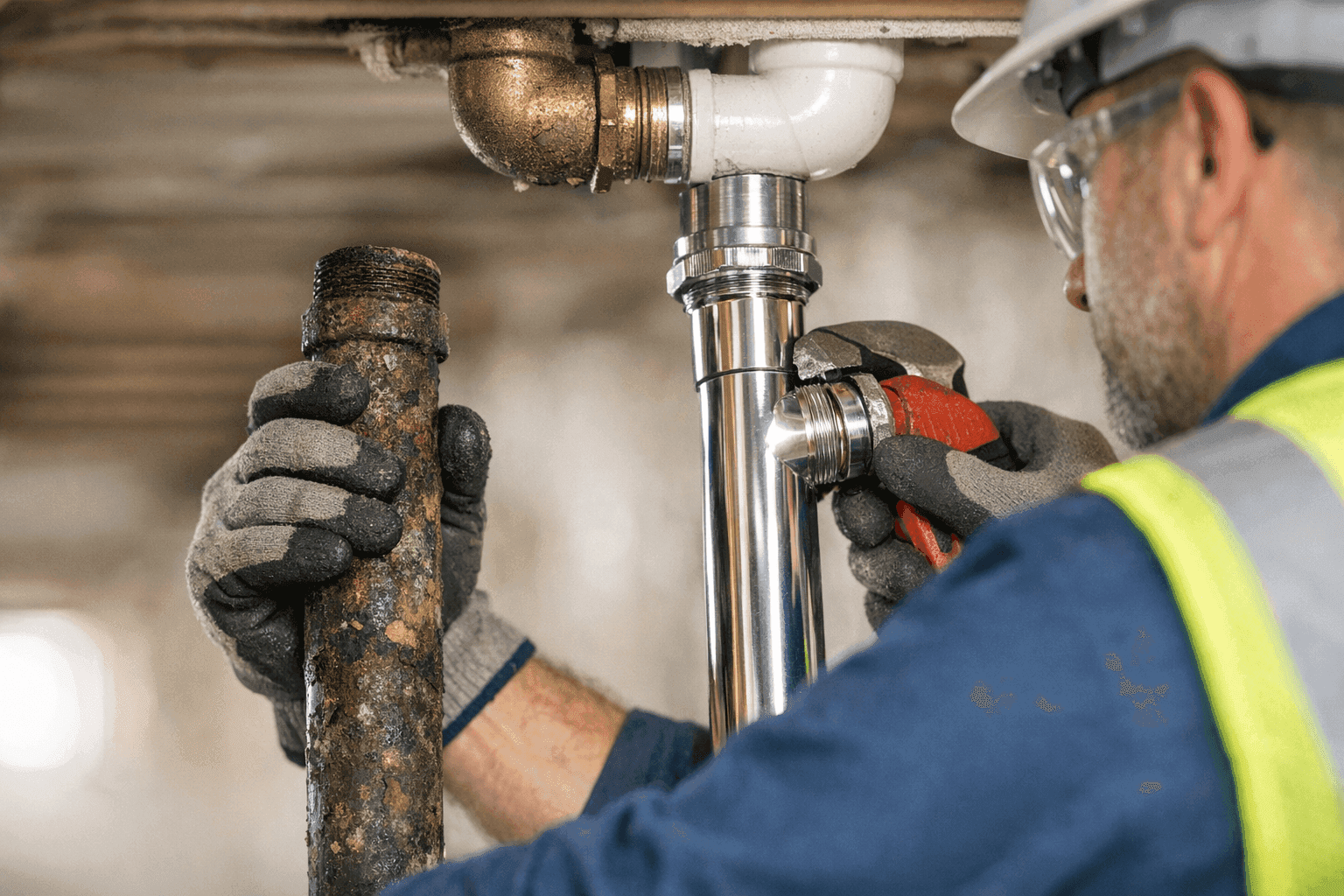
When pipes fail, the effects ripple through your home—water stains, low pressure, even unexpected leaks. If you’re seeing any of these, it might be time to consider a full repipe.
At Peters Flo Plumbing, we know repiping can sound overwhelming. But with the right information and a steady hand, it’s a clear path to peace of mind, safety, and reliable water for years to come.
What Is Repiping? 🛠️
Repiping is the process of replacing all—or most—of a home’s plumbing pipes. Think of it as a heart transplant for your house’s water system. Instead of patching leaks over and over, you swap old, worn-out pipes for brand new ones.
This job goes deeper than a simple repair. It means updating the entire network that brings water in and takes wastewater out. Repiping covers hot and cold water lines, sometimes drain lines, and it’s often the only way to resolve persistent plumbing problems.
Signs You Need New Pipes
How do you know when your pipes are waving the white flag? Look for these warning signs:
- Rusty or brown water: Discolored water means corrosion inside your pipes.
- Low water pressure: Aging pipes clog up like arteries, reducing flow to a trickle.
- Frequent leaks: One leak can be a fluke. Multiple leaks spell trouble.
- Strange noises: Banging, rattling, or whistling pipes mean something’s not right.
- Visible corrosion or stains: Green, blue, or rust stains on exposed pipes point to deterioration.
If you spot any of these, your pipes could be nearing the end of their lifespan. The average home will need repiping every 40–70 years, depending on pipe material and local water quality. The International Association of Certified Home Inspectors (InterNACHI) provides detailed lifespan guidelines for different pipe types.
Quick Safety Checklist Before You Act
Before you leap into a major plumbing project, check:
- Is your water supply safe? Leaking or corroded pipes can introduce lead or bacteria.
- Do you smell gas? If you have gas lines, any unusual odor requires immediate attention.
- Is there water damage? Check for warped floors, peeling paint, or unexplained damp spots.
If you have urgent concerns, especially involving water quality or gas, call a plumber right away.
Repiping Materials & Options
Today’s repiping isn’t one-size-fits-all. You have choices:
- Copper: Durable, long-lasting, and bacteria-resistant. But it’s more expensive and can corrode in acidic water.
- PEX (cross-linked polyethylene): Flexible, cost-effective, and resistant to scale and chlorine. It’s fast to install and works well in tight spaces.
- CPVC (chlorinated polyvinyl chloride): Good for hot and cold water. It’s less flexible than PEX but more affordable than copper.
The best choice depends on your home’s age, layout, and budget. Ask your plumber for recommendations that fit your needs—and your local building codes.
The Repiping Process Step by Step
Repiping sounds big, but it follows a clear sequence. Here’s what to expect:
1. Inspection and Planning
A plumber assesses your current pipes, maps out the new system, and explains what will be replaced. Permits are pulled, and you get a full overview of the project.
2. Protecting Your Home
Before work starts, floors and furniture are covered. Access holes are strategically cut in walls and ceilings—not as messy as you might think.
3. Removing Old Pipes
The old, worn-out pipes are carefully removed. In older homes, this can reveal hidden issues like outdated materials or previous DIY repairs.
4. Installing New Pipes
New lines—copper, PEX, or CPVC—are routed through your home. Connections are tested for leaks, and everything is brought up to code.
5. Restoring Walls and Clean-Up
Access holes are patched, and surfaces are restored. Most jobs include basic drywall repair and cleanup.
6. Final Inspection and Testing
A final walkthrough and pressure test ensure your new pipes are running smoothly.
Timeline & Home Disruption
Most whole-home repiping jobs take between 2 and 7 days, depending on home size and complexity. Water is usually shut off for only a few hours at a time, not the entire project.
Yes, there will be dust and some noise. But professional plumbers work quickly and neatly, minimizing mess and restoring your home as they go.
Repiping vs. Pipe Repair: When Is Replacement Better?
Not every leak means you need a full repipe. Repairs are effective for isolated issues, like a single burst pipe or minor damage.
But if you’re seeing recurring leaks, widespread corrosion, or water pressure issues throughout the house, repiping is usually more cost-effective in the long run. Trying to patch multiple weak spots is like playing whack-a-mole—eventually, you’ll spend more on repairs than you would on a full upgrade.
If you’re facing one-off pipe issues, our pipe repair services might be all you need.
Choosing the Right Repiping Professional
Repiping isn’t a weekend project. It takes planning, technical know-how, and knowledge of local plumbing codes (such as those outlined by the Uniform Plumbing Code and state regulations).
A licensed, insured plumber ensures your new system will be safe, legal, and reliable. Always verify credentials, ask about experience, and request a written estimate.
What to Do Before, During, and After Repiping
Before:
- Move breakables and valuables away from work areas.
- Plan for limited water use during key hours.
During:
- Stay in touch with your plumber about timelines.
- Expect some noise and dust, but most homes remain livable throughout.
After:
- Check for any remaining signs of leaks or water damage.
- Review your water pressure and quality—most homeowners notice an immediate improvement.
Life After Repiping: The Benefits 🚿
Repiping is an investment that pays off every day. Here’s what you’ll notice after the job is done:
- Better water pressure: Showers, sinks, and appliances all work like they should.
- Clean, clear water: No more rust, grit, or strange odors.
- Fewer repairs: New pipes mean fewer emergencies and less stress.
- Higher home value: Modern plumbing is a major selling point for buyers.
Plus, you’ll have peace of mind knowing your home’s plumbing is safe, efficient, and up to code.
Preventative Maintenance for Long-Lasting Pipes
To keep your new pipes healthy:
- Avoid chemical drain cleaners; they can weaken pipes over time.
- Watch for early signs of trouble—stains, drips, or pressure changes.
- Schedule routine plumbing checkups, including Pipe Installation, to keep water safe and flowing smoothly.
Seasonal Considerations: Protecting Pipes Year-Round
Extreme cold, heat, or sudden temperature swings can strain even new pipes. In winter, insulate exposed lines and let faucets drip during deep freezes. In summer, watch for unusual humidity or leaks in crawl spaces.
A little prevention goes a long way.
Frequently Asked Questions About Repiping
Will my home be a construction zone?
Not at all. Access holes are limited and carefully repaired. Most families stay home during the project.
How much does it cost?
Costs vary based on home size, materials used, and complexity. Your plumber will provide a detailed estimate after inspection.
Do I need permits?
Yes. Reputable plumbers handle all necessary permits and code compliance.
What if I have lead pipes?
Lead pipes must be replaced according to EPA guidelines. Your plumber will advise on safe removal and replacement.
Repiping and Home Value
A modern plumbing system is a major upgrade. If you plan to sell your home, buyers will notice (and appreciate) new pipes. It’s one of the best returns on investment for older houses.
For homeowners in the Midwest, check out our guide to plumbing services in Davenport for more on what to expect in your area.
Common Repiping Mistakes (and How to Avoid Them)
- DIY gone wrong: Repiping is not a weekend warrior project.
- Cutting corners on materials: Cheap pipes don’t last.
- Ignoring permits or code: This can lead to fines or failed inspections.
Always use a licensed plumber and ask questions about the process.
When Repiping Is an Emergency
Burst pipes, major leaks, or signs of water contamination are urgent. Shut off your water main and call a plumber immediately. Delaying can lead to severe water damage or health risks.
The Bottom Line: Safe, Reliable Plumbing Starts with Quality Pipes
Repiping might seem like a big step, but with the right planning, it’s one of the best choices you can make for your home’s safety, comfort, and value.
Call Peters Flo Plumbing now — or reach us anytime at 877-331-9687 .