How to Reduce Plumbing Noise in Your Home
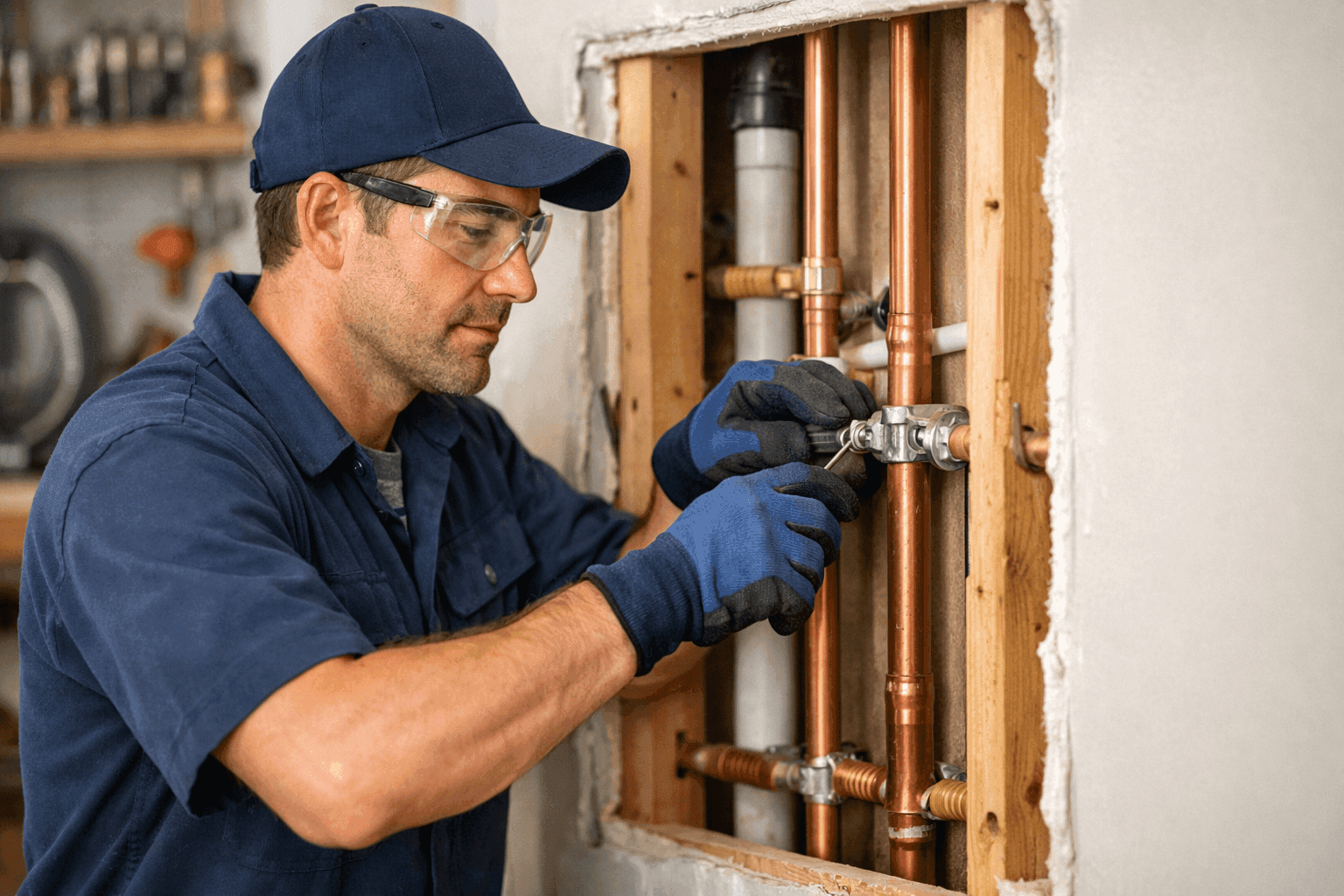
Ever heard a loud bang echo through your walls when you turn off a faucet? Or maybe your pipes whistle and rattle like an old train? Plumbing noise can turn a peaceful home into a symphony of clanks and creaks. At Peters Flo Plumbing, we understand how frustrating—and sometimes worrying—these sounds can be.
You deserve a home that feels peaceful. Let’s break down what causes these noises, what you can do about them, and when it’s time to call in a professional. Silence can be golden, especially when it comes to your plumbing.
Types of Plumbing Noise You Might Hear 🛠️
Every sound tells a story. But which ones really matter?
- Water Hammer: That sudden, loud thud when water flow stops abruptly.
- Rattling Pipes: Pipes that shake or vibrate, especially after a toilet flush or shower.
- Whistling or Squealing: High-pitched noises from faucets or pipes.
- Gurgling or Hissing: Air or water struggling to move through pipes.
Each noise points to a different issue—sometimes minor, sometimes not. Recognizing what you hear is the first step to a quieter home.
What Causes Plumbing Noise?
So what’s behind the racket?
- High Water Pressure: Imagine a firehose in a garden. Too much pressure can make pipes bang or whistle.
- Loose Pipes: Pipes not secured to studs or joists can shake and rattle.
- Water Hammer: When a valve suddenly closes, moving water hits a wall and “hammers.”
- Sediment Buildup: Grit in water heaters or pipes narrows paths, making water squeal or whistle.
- Worn Washers or Valves: Old plumbing parts can vibrate or make high-pitched noises.
Building codes recommend supporting long pipe runs to prevent noise (see the International Residential Code, IRC P2603.2.1). Over time, even good plumbing can shift or loosen.
A Quick Safety Checklist Before You Start
Before diving in, check these safety basics:
- Turn off the water to affected fixtures before working.
- Shut off power to electric water heaters if you’ll be flushing them.
- Wear gloves and eye protection if accessing tight spaces.
- Locate your main water shutoff—just in case.
If you’re ever unsure, wait for help. Safety comes first, always.
DIY Fixes for Common Plumbing Noises
Some fixes are simple and safe for most homeowners. Try these steps:
1. Secure Loose Pipes
- Foam Pipe Insulation: Slide pre-slit foam over exposed pipes in basements or crawlspaces.
- Pipe Straps: Use metal or plastic straps to fasten pipes to framing. Space them every 4–6 feet for horizontal runs, 8–10 feet for vertical.
2. Adjust Water Pressure
- Check Pressure Regulator: Most homes should have 40–60 psi. A simple gauge from the hardware store can help you measure.
- Call if You’re Unsure: Adjusting a regulator isn’t always DIY-friendly, but checking is!
3. Flush Water Heater
- Drain Sediment: Attach a hose to the drain valve and flush out grit. Sediment causes pops, cracks, and whistles.
4. Replace Worn Washers
- Dripping or Squealing Faucets: Turn off water, open faucet, swap out old washers or cartridges.
5. Install Water Hammer Arrestors
- For Water Hammer: These small devices cushion the shock when water flow stops. They’re available at most hardware stores and can be installed near problem fixtures.
When to Seek Professional Plumbing Help
Some sounds signal deeper issues. Don’t ignore:
- Persistent Water Hammer: Could indicate poorly secured or undersized pipes.
- Ongoing Leaks: Even minor drips can cause major damage over time.
- Sudden Drop in Water Pressure: May point to a hidden leak or blockage.
- Backflow or Cross-Contamination: If water flows “the wrong way,” contamination risk jumps. Seek Backflow Prevention right away.
- Gas-Like Smells or Hissing: This is urgent—leave your home and call a licensed plumber immediately.
If you’re hearing noises and not sure if they’re safe, err on the side of caution. Professional plumbers have specialized tools—such as acoustic leak detectors and thermal cameras—that can pinpoint hidden issues quickly.
What Happens When a Plumber Arrives?
Here’s what you can expect from a service call:
- Listening Tour: We’ll ask what you’ve heard and where.
- Pressure Testing: Checking for spikes or dips in system pressure.
- Pipe Inspection: Looking for loose mounts or worn fittings.
- Leak Detection: Using non-invasive tech to find hidden trouble.
- Code Compliance Review: Ensuring your plumbing meets local safety standards.
We’ll explain findings in plain language and outline solutions that fit your needs and budget.
Preventing Plumbing Noise Before It Starts
Silence begins with prevention. Here’s what helps:
- Annual System Inspections: Catch loose pipes or worn parts before they get noisy.
- Pipe Insulation: Not only reduces noise, but also protects against freezing.
- Backflow Testing: Prevents contamination and keeps water moving in the right direction. Book your Backflow Prevention.
- Water Heater Maintenance: Flushing tanks annually keeps sediment—and noise—at bay.
Costs, Time, and What to Expect
- DIY fixes: $10–$50 for materials, 30 minutes to a few hours.
- Professional inspection: Usually 1–2 hours on-site.
- Repairs: Vary by scope. We’ll always provide a clear estimate before work begins.
Remember, a little prevention goes a long way. Small noises rarely disappear on their own—addressing them early can save serious time and money.
Is It an Emergency?
Most plumbing noises are annoying—not dangerous. But if you notice:
- Sudden flooding
- Water stains on walls or ceilings
- Persistent leaks
- Gas odors
Treat it as urgent. Water damage and gas leaks can become dangerous fast. If you need emergency help or have a backflow issue, reach out to Peters Flo Plumbing right away.
Seasonal Plumbing Noise—What to Watch For
Winter and spring bring their own challenges:
- Frozen Pipes: Can burst—and make loud popping noises as ice forms or thaws.
- High Water Table: Sump pumps may run more, and noisy drains could signal a blockage.
Scheduling an annual sewer line inspection every spring can catch problems before they grow.
Common Mistakes to Avoid
- Ignoring small noises: They rarely fade away on their own.
- DIY on gas lines: Always leave gas piping to licensed professionals—safety first.
- Skipping annual maintenance: Out of sight shouldn’t mean out of mind.
Signs It’s Time to Call Peters Flo Plumbing
- Noises have become louder or more frequent
- DIY fixes haven’t worked
- Water pressure has changed
- You notice leaks or water where it shouldn’t be
- You suspect backflow or contamination
Our team is equipped for everything from leak detection to Backflow Prevention—so you can rest easy.
How Long Will Repairs Disrupt My Home?
Most noise fixes are minimally invasive. Securing pipes or adjusting pressure is quick. For major work—like repiping or water heater replacement—expect a few hours to a full day. We’ll always outline what to expect up front.
Materials & Equipment You Might Need
- Foam pipe insulation
- Pipe straps or clamps
- Water pressure gauge
- Adjustable wrench
- Screwdrivers
- Replacement washers/cartridges
For anything beyond these basics, a professional plumber has the right tools for the job.
Still Hearing Plumbing Noise? Don’t Wait.
A quiet home is a comfortable home. If you’re tired of rattles and bangs, Peters Flo Plumbing is ready to help. For trusted plumbing repair and maintenance in Billings, contact us today.
Call Peters Flo Plumbing now — or reach us anytime at 877-331-9687 .