Preventative Plumbing Maintenance: Essential Tasks for Every Season
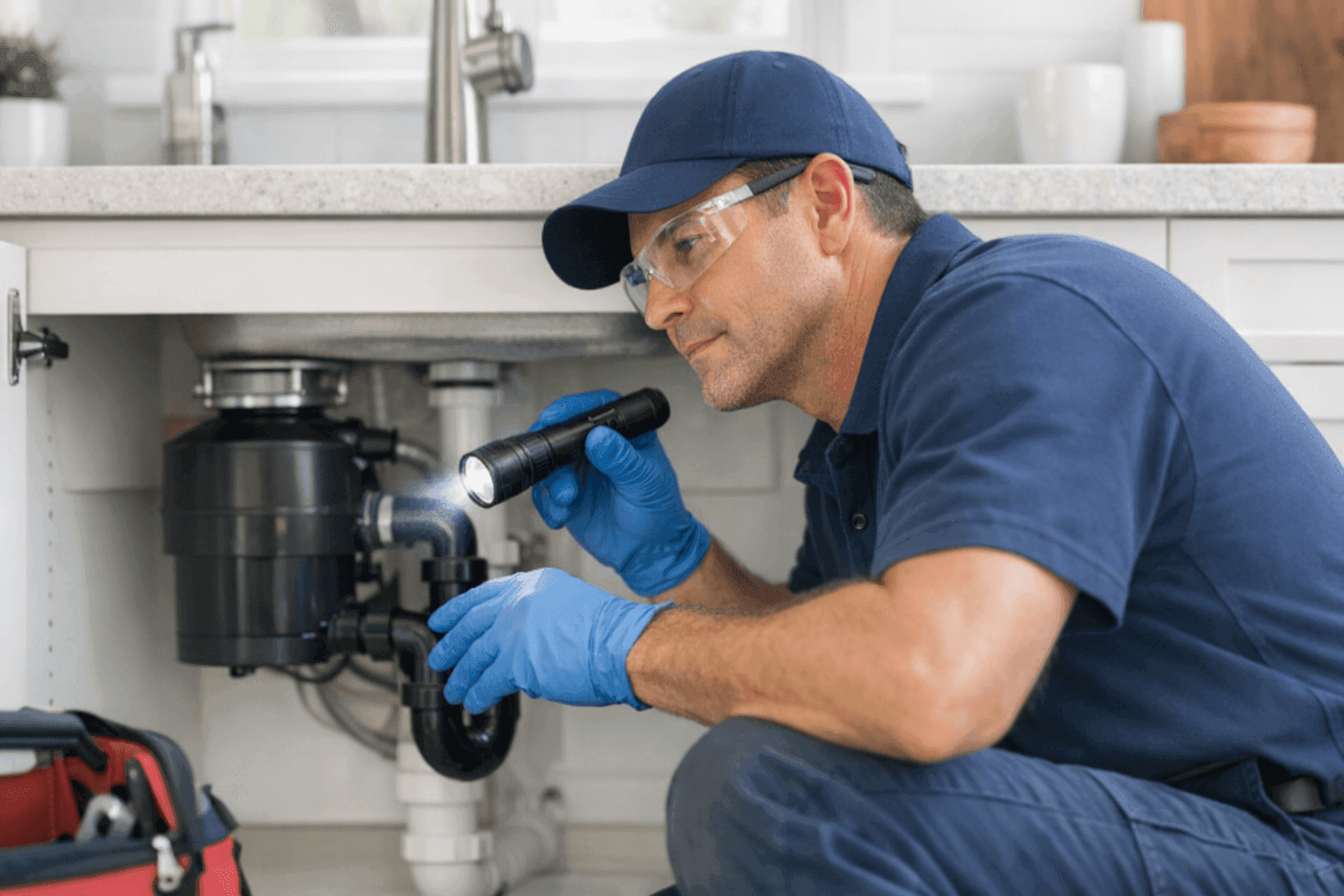
Keeping your plumbing running smoothly isn’t just about handling emergencies. It’s about peace of mind, keeping water where it belongs, and saving on repairs you never planned for. At Peters Flo Plumbing, we know that a little attention now can prevent big headaches later.
Think of your plumbing like the veins of your home, quietly working day and night. But just like any system, it needs regular care—especially as seasons change. Let’s dive into the essential tasks that can keep your pipes, drains, and fixtures healthy all year.
Why Preventative Maintenance Matters 🛠️
Imagine waking up to a cold shower, a flooded basement, or a kitchen sink that won’t drain. Plumbing emergencies strike fast and hard, often when you least expect them. But most don’t happen out of the blue. Tiny leaks, slow drains, and worn-out valves build up over time.
Preventative maintenance is your home’s secret weapon. By checking in on your plumbing with every season, you’ll catch small issues before they snowball. According to the International Association of Plumbing and Mechanical Officials (IAPMO), regular inspections can double the lifespan of many plumbing components. Plus, routine tasks help you meet local plumbing codes and keep your family safe from hazards like backflow or gas leaks.
Spring Plumbing Tasks: Out With the Old, In With the New
Spring cleaning isn’t just for closets. Melting snow and frequent rain can reveal leaks or weaknesses in your plumbing.
Spring checklist:
- Check for leaks under sinks, around toilets, and near your water heater. Look for puddles, rust, or mold.
- Inspect sump pumps by pouring a bucket of water into the pit. Listen for smooth operation and swift drainage. If you spot trouble, schedule a sump pump repair.
- Clear outdoor drains and gutters to keep water flowing away from your foundation.
- Test water pressure at fixtures. Low pressure may signal a hidden leak or sediment buildup.
- Flush your water heater to remove sediment. This can boost efficiency and extend its life.
Summer Checklist: Hot Weather, High Demand
Summer is peak season for water use—think lawns, showers, and guests. Warm weather can also hide plumbing problems.
Summer checklist:
- Look for slow drains in tubs or sinks. Use natural cleaners or schedule a professional drain cleaning if needed.
- Inspect hose bibs and outdoor faucets for drips or leaks.
- Check exposed pipes in basements or crawlspaces for condensation or corrosion.
- Clean garbage disposals by running ice cubes and citrus peels through the unit.
- Monitor for odors from drains, which could mean a clog or sewer line issue.
Fall Prep: Get Ready for Cooler Days 🍂
Fall is the time to fortify your plumbing before winter’s chill arrives. A few careful steps now can keep trouble at bay.
Fall checklist:
- Insulate pipes in unheated areas with foam sleeves to protect against freezing.
- Disconnect and drain garden hoses to prevent outdoor faucet damage.
- Check your water heater’s thermostat—set to 120°F for safety and efficiency.
- Inspect toilet tanks and bowls for cracks or leaks.
- Schedule backflow testing if you have a sprinkler system or pool to ensure water safety.
Winterizing Your System: Guard Against the Freeze ❄️
Frozen pipes are a homeowner’s nightmare. When water expands as it freezes, pipes can burst and cause major water damage.
Winter checklist:
- Let faucets drip on the coldest nights to keep water moving.
- Seal gaps around doors, windows, and pipes to keep warmth in and cold out.
- Know your main water shut-off valve location in case you need to stop water fast.
- Check boiler function if you use a radiant heating system.
- Inspect for leaks in attics and crawlspaces, where pipes are most vulnerable.
Signs of Trouble: What to Watch For
Even with regular care, plumbing problems can sneak up. Stay alert for:
- Sudden drops in water pressure
- Odd noises (banging, whistling, gurgling)
- Water spots on ceilings or walls
- Persistent clogs or slow drains
- Unexplained spikes in your water bill
If you spot any of these, don’t wait. Quick action can save your home from much bigger repairs.
DIY vs. Call a Pro: Knowing Your Limits
Some maintenance tasks are safe and simple. Tightening a loose faucet, clearing a minor clog, or checking exposed pipes can be DIY-friendly. But jobs like leak detection, gas line checks, or sewer line inspections are best left to licensed professionals who follow local codes and safety protocols.
Not sure what’s safe to tackle? When in doubt, call in a pro. We’re here for jobs big and small.
The Role of Preventative Maintenance in Emergency Prevention
Routine checks mean fewer emergencies. Regular maintenance can help you:
- Avoid costly repairs from burst pipes, backed-up drains, or failing water heaters
- Extend the life of your plumbing system
- Keep water clean and safe through proper backflow prevention
And if an emergency does happen, you’ll know exactly where to turn.
Common Mistakes Homeowners Make
- Ignoring small leaks, which often become big ones
- Using harsh chemicals to clear clogs, risking pipe damage
- Forgetting to drain outdoor hoses before winter
- Skipping annual inspections of water heaters and sump pumps
A little attention goes a long way.
FAQ: Preventative Plumbing Maintenance
How often should I check my plumbing?
Aim for a quick check each season, with a deeper inspection once a year.
Is drain cleaning really necessary?
Yes. Build-up in pipes can cause slow drains or backups. Professional drain cleaning is gentler than many store-bought solutions.
How do I know if I have a hidden leak?
Watch for sudden changes in water pressure or your water bill. For peace of mind, consider a professional leak detection service.
Costs & Timeline: What to Expect
Most seasonal maintenance tasks are quick—between 15 minutes and an hour each. Professional inspections or repairs may take longer, especially if you find trouble. The investment now is almost always less than the cost of emergency repairs later.
Materials & Tools for Every Homeowner
- Flashlight
- Pipe insulation sleeves
- Bucket (for testing pumps or draining water heaters)
- Plumber’s tape
- Adjustable wrench
- Soft cloths for wiping down pipes
When It’s an Emergency
If you spot a major leak, broken pipe, or smell gas, shut off your main water or gas valve and call us immediately. Fast action protects your home and family.
Your Trusted Partners for Preventative Plumbing Maintenance
At Peters Flo Plumbing, we believe in helping homeowners stay ahead of plumbing issues no matter the season. If you need help with Backflow Prevention near you, or want to schedule a maintenance check, we’re ready to help.
Call Peters Flo Plumbing now — or reach us anytime at 877-331-9687 .