Preventative Plumbing Maintenance Checklist for Homeowners
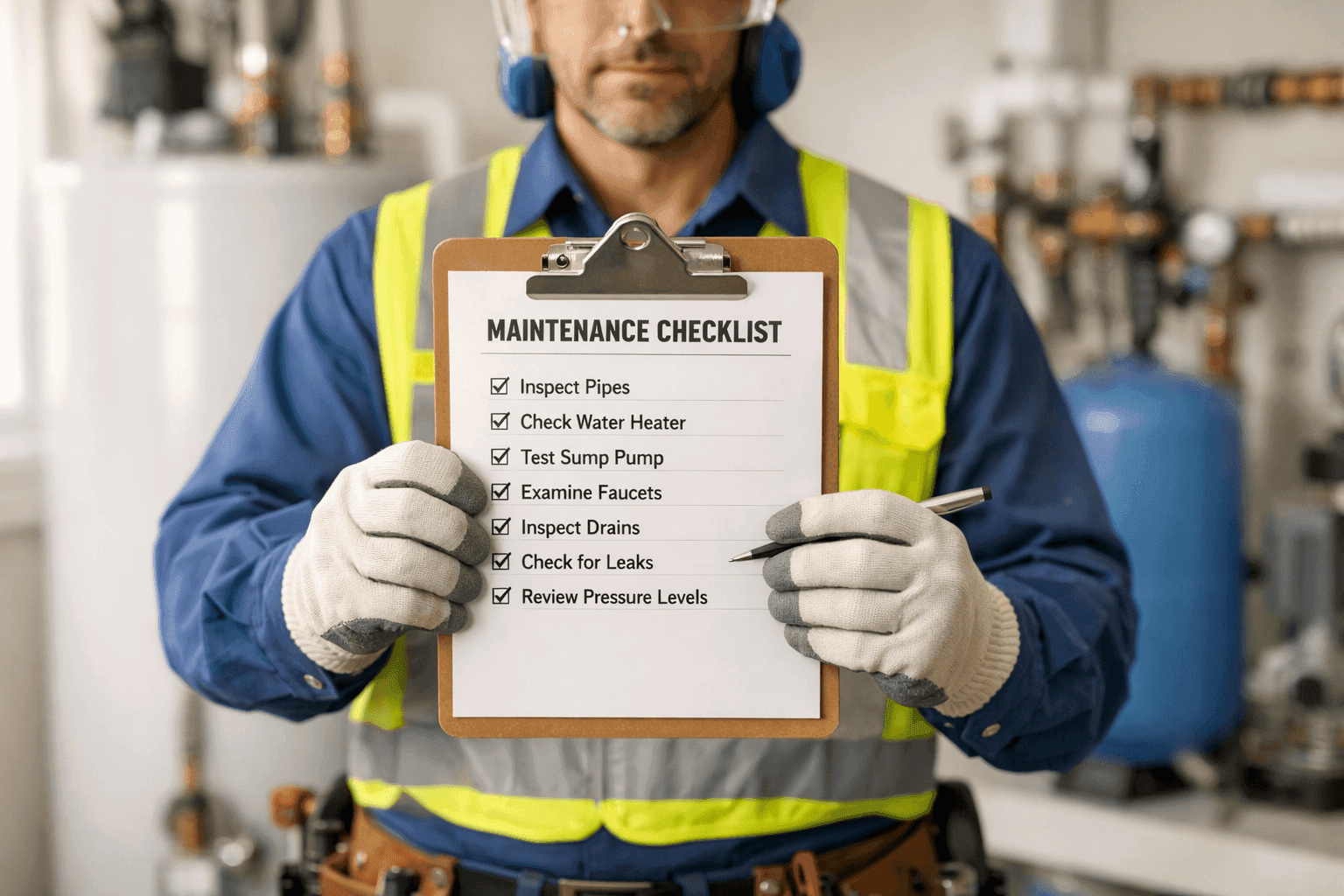
Every homeowner knows the feeling. That slow drip, unexplained water bill jump, or the panic when a storm hits and the sump pump is silent. Plumbing problems never wait for a good time. At Peters Flo Plumbing, we see it all—big surprises, small leaks, and everything in between.
The best way to avoid plumbing headaches? Preventative maintenance. Think of it as an annual checkup for your home’s circulatory system. Here’s a clear, step-by-step guide to help you spot trouble before it starts.
Why Preventative Maintenance Matters 🛠
Your plumbing is like the hidden roots of a strong tree. Out of sight, but vital for everything above. Waiting until something breaks costs more—money, time, and peace of mind. Preventative maintenance doesn’t just keep your pipes flowing; it protects your home from water damage, mold, and even unsafe drinking water.
A little effort now can save you from major repairs later. According to the International Association of Certified Home Inspectors (InterNACHI), routine checks can extend the life of your plumbing and reduce emergency calls.
Monthly, Seasonal & Annual Tasks
Breaking plumbing care into small, regular steps makes it manageable. Here’s how to keep on top of things without feeling overwhelmed.
Monthly Checks
- Look for leaks: Check under sinks, behind toilets, and around the water heater.
- Test water pressure: Sudden drops may signal a hidden problem.
- Listen for odd noises: Banging or whistling in pipes can point to trouble.
Seasonal Tasks
- Spring: Clear gutters and downspouts. Check sump pump function.
- Summer: Inspect outdoor spigots and hoses for leaks.
- Fall: Disconnect hoses, drain outdoor faucets, insulate pipes in unheated spaces.
- Winter: Let faucets drip in freezing weather, and check boiler pressure if you have one.
Annual To-Do’s
- Flush water heater: Removes sediment to keep it running smoothly.
- Schedule a professional sewer line inspection—especially in older homes.
- Test backflow prevention devices to keep your water supply safe.
Key Areas to Inspect
Some spots are more prone to trouble than others. Keep a close eye here:
Kitchens
- Inspect pipes under the sink for leaks or corrosion.
- Test garbage disposal for strange noises and performance.
- Clean faucet aerators to keep water flowing freely.
Bathrooms
- Check for loose or wobbly toilets—this can signal a leaking seal.
- Inspect caulking and grout around tubs and showers.
- Watch for slow drains—a red flag for potential clogs.
Basements & Utility Rooms
- Check sump pump operation by pouring a bucket of water into the pit.
- Look for puddles or damp spots near walls and floors.
- Ensure laundry hoses are crack-free and connections are tight.
Benefits of Regular Checks ✅
- Catch small leaks early: Even a pinhole can waste gallons of water.
- Avoid surprise repairs: Most emergencies start as tiny issues.
- Protect property value: Well-maintained plumbing is a selling point if you move.
- Lower bills: Fixing leaks and optimizing fixtures saves water and energy.
When to Hire a Pro
Some jobs need a trained eye. If you spot any of these, call Peters Flo Plumbing:
- Persistent leaks you can’t find.
- Water stains on ceilings or walls.
- Sudden drops in water pressure across the whole house.
- Sewer smells or gurgling drains.
- Repeatedly clogged toilets or slow drains.
A professional plumber uses specialized tools—like cameras for sewer lines or ultrasonic leak detectors—to get to the root of the problem quickly.
If you’re searching for “Backflow Prevention near you,” or want a trusted team to handle annual preventative maintenance, our licensed plumbers are ready to help.
Quick Safety Checklist 🛑
- Know where your main water shut-off valve is.
- Don’t use chemical drain cleaners—opt for a drain snake or call a pro.
- Never ignore the smell of gas near gas lines or appliances.
DIY vs. Call a Pro
Tightening a loose faucet or clearing a simple clog is a good DIY project. But when you face persistent leaks, burst pipes, or complicated drain cleaning, it’s best to let a professional handle it.
Signs of Trouble: What to Watch For
- Rusty or discolored water.
- Bubbling paint or warped flooring.
- Slow drains throughout the house.
- Water pooling outside, especially near sewer lines.
These can all point to deeper issues—don’t wait for them to get worse.
Tips for Winterizing & Stormproofing
- Insulate exposed pipes in crawl spaces, basements, and attics.
- Seal cracks in walls where cold air can reach pipes.
- Test the sump pump before heavy rains.
- Keep gutters clear to prevent foundation flooding.
Common Mistakes Homeowners Make
- Letting small leaks go unfixed.
- Flushing wipes or grease down the toilet or sink.
- Forgetting to disconnect hoses before winter.
- Ignoring slow drains until they’re fully clogged.
Materials & Equipment You’ll Need
- Flashlight and dry towels for leak detection.
- Wrench set for tightening fittings.
- Plunger and plumber’s snake for unclogging.
- Pipe insulation sleeves for winter prep.
How Long Will It Take? Timeline & Disruption
Most monthly checks take just 10–15 minutes. Seasonal tasks might need an hour or two. Annual inspections, especially by a pro, are usually done in half a day—with minimal disruption.
Costs: What to Expect
Simple supplies are inexpensive. Professional maintenance and inspections pay for themselves by preventing costly emergencies. For an estimate on essential services or to book leak detection, reach out for a straightforward quote.
Frequently Asked Questions
What if I find a small leak?
Shut off the water supply to that fixture and dry the area. If the leak persists or you see water stains, call for professional help.
How do I know if my pipes are freezing?
If you turn on a faucet and only a trickle comes out, the pipe may be frozen. Turn off the main water supply and call a plumber.
How often should I have my plumbing checked?
Monthly for small checks, and at least once a year by a licensed plumber for a thorough inspection.
What to Expect When a Pro Arrives
A professional plumber will:
- Inspect all exposed pipes and fixtures.
- Test water pressure and flow.
- Use advanced tools for leak-detection in hidden spots.
- Check for code compliance and safety risks.
Local Plumbing Help When You Need It
If you’re looking for reliable home plumbing help, see our Grand Island plumbing services for a trusted local option.
Call Peters Flo Plumbing now — or reach us anytime at 877-331-9687 .