How to Prevent Water Hammer and Banging Pipes
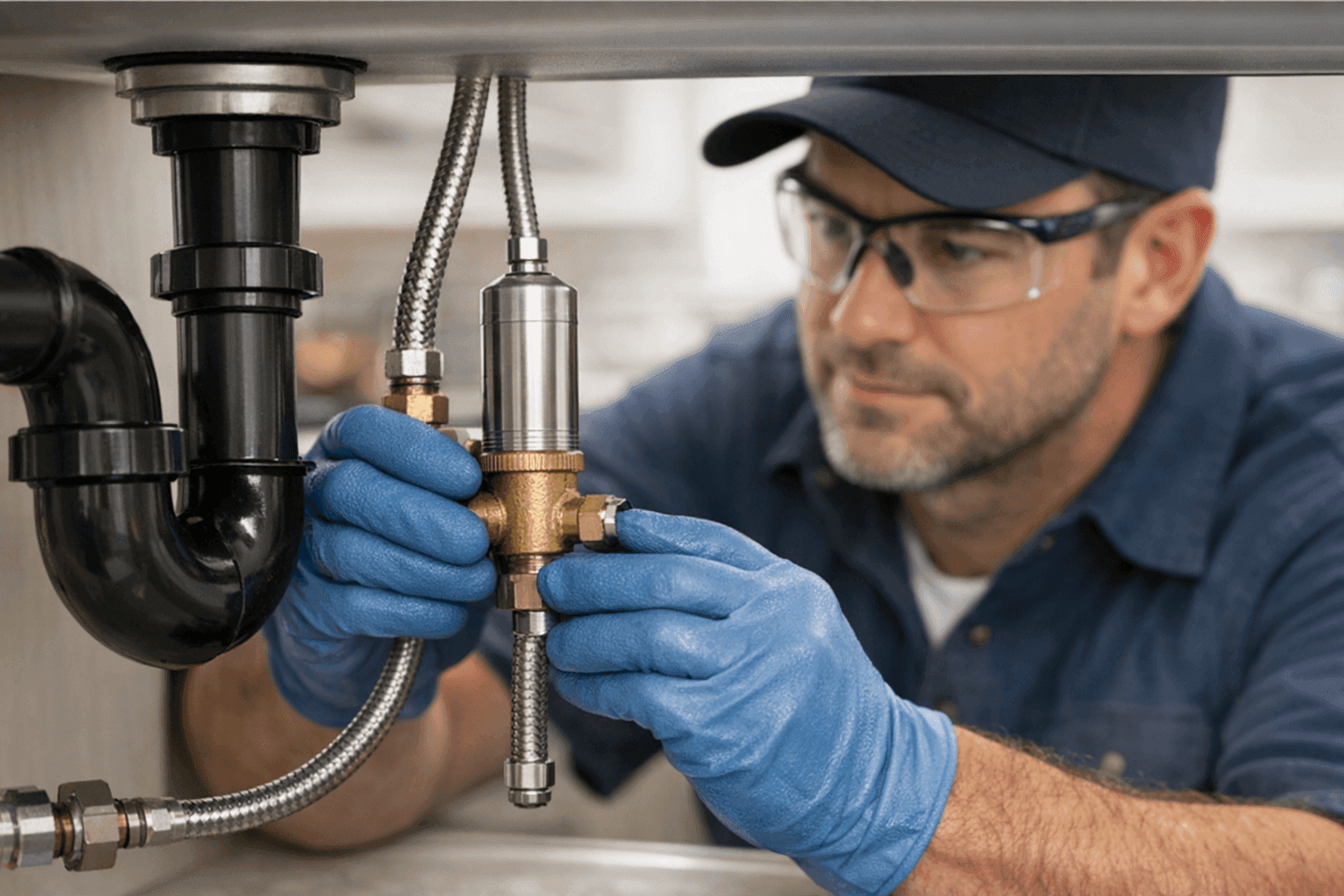
Does your plumbing knock, bang, or rattle when you turn off a faucet? That sound isn’t just annoying. It's a warning your pipes may be under stress—stress that can lead to leaks or even burst pipes over time.
At Peters Flo Plumbing, we see this problem all the time. Let’s break down what’s really going on behind your walls, and why dealing with water hammer now could save you from much bigger headaches later.
What is Water Hammer? 🛠️
Water hammer is the sudden, loud banging noise you hear from your pipes when you quickly shut off a valve or faucet. It feels like a mini earthquake in your plumbing system. The sound might be startling, but the real danger is hidden: a powerful shock wave traveling through your water lines.
Think of it like slamming the brakes in your car. The momentum has to go somewhere. In your pipes, it’s the rushing water that suddenly stops, hitting a “dead end” and sending shockwaves through your plumbing.
Causes: Why Do Pipes Bang in the First Place?
Water hammer can happen in any home, old or new. Here’s why:
- Quick shut-off valves: Dishwashers, washing machines, and some faucets close fast, stopping water abruptly.
- High water pressure: Too much pressure means the shock is stronger.
- Loose pipes: Pipes that aren’t secured rattle more easily.
- Air chambers filled with water: Older homes may have air chambers meant to absorb shock, but these can fill with water and stop working.
Ignoring these causes can stress your plumbing, risking leaks or even pipe bursts. The International Plumbing Code and local guidelines highlight the importance of proper installation and maintenance to prevent these issues.
Quick Safety Checklist
Before you start on any plumbing fix, keep safety in mind:
- Shut off your main water supply if you’re working on pipes.
- Wear safety goggles if you’re drilling or cutting.
- If you’re not sure where your shut-off valves are, find out before you begin.
Sometimes, the safest move is to call a professional. Water hammer can be a symptom of more serious problems like hidden leaks or backflow issues.
Signs You Have Water Hammer
Not every plumbing noise is water hammer. Here’s what to listen (and look) for:
- Loud banging or thudding after you turn off a tap
- Pipes that visibly shake or vibrate
- Squealing sounds when appliances stop filling
- Leaks or damp spots near pipe joints
If you notice any of these, it’s time to take action.
DIY Solutions: How to Quiet the Noise
Some water hammer solutions are simple enough for a confident homeowner. Try these steps:
1. Secure Loose Pipes
- Use pipe clamps or padded brackets to fasten pipes to studs or joists.
- Focus on spots near washing machines, dishwashers, or long runs of exposed piping.
2. Drain Air Chambers
- Shut off your main water supply.
- Open all faucets (starting at the top floor and working down).
- Let the water drain out completely. Air returns to the chambers, restoring their “shock absorber” effect.
- Turn the water back on slowly.
3. Install Water Hammer Arrestors
- These devices act like airbags for your plumbing.
- Some are as easy as screwing onto washing machine hoses.
- Others require a cut and fit—best left to a professional.
4. Adjust Water Pressure
- Use a pressure gauge to check your home’s water pressure.
- If it’s over 80 psi, consider installing or adjusting a pressure reducing valve.
- Aim for 40-60 psi for most homes.
Remember: Not all fixes are safe for every homeowner. When in doubt, call in a pro.
When to Call Peters Flo Plumbing
Certain situations need a plumber’s expertise:
- You’ve tried DIY fixes, but the banging continues.
- Water pressure is dangerously high, or you have no pressure reducing valve.
- You spot leaks, rust, or water stains near pipes.
- You’re not comfortable cutting or soldering pipes.
Our team will diagnose the root cause, not just quiet the noise. Sometimes water hammer signals bigger issues, like backflow risks or aging pipes that need replacement. If you’re searching for reliable "Backflow Prevention near you," our licensed plumbers are ready to help.
What Pros Do On Arrival
When you call Peters Flo Plumbing, here’s what you can expect:
- Careful inspection of your piping system—including hidden and hard-to-reach areas.
- Water pressure tests to find out if you need a regulator.
- Checking for loose pipes behind walls and under floors.
- Installation of water hammer arrestors or air chambers if needed.
- Inspection for leaks, corrosion, or backflow concerns.
We follow standards recommended by the International Association of Plumbing and Mechanical Officials (IAPMO) and local code requirements.
Prevention & Maintenance: Keep Water Hammer Away
A little maintenance goes a long way. Here’s how to keep plumbing peaceful:
- Inspect exposed pipes yearly for looseness or wear.
- Listen for new or louder banging sounds—don’t ignore them.
- Schedule annual plumbing checkups, especially if your home is older.
- Ensure appliances are installed with hammer arrestors where needed.
- Ask about backflow prevention during routine maintenance. You can learn more about our Backflow Prevention services.
Common Mistakes to Avoid
Even well-meaning homeowners can make things worse:
- Over-tightening pipe clamps can damage pipes.
- Ignoring the problem, hoping it will go away (it won’t).
- Using makeshift materials instead of proper water hammer arrestors.
- Failing to check water pressure before making adjustments.
Timeline & Disruption: What to Expect
Most water hammer fixes are fast—often less than an hour for a pro. More complex issues, like repiping or pressure regulator installation, may take a day or two. We always aim to minimize disruption and will communicate clearly about timing.
Costs & Time Factors
The cost can range from a few dollars for pipe clamps to several hundred for professional installation of arrestors or new regulators. Ignoring water hammer, though, can lead to expensive repairs down the line—think burst pipes or water-damaged walls.
If you’re interested in other plumbing solutions, such as leak detection or pipe repair, check out our Leak Detection service page for more details.
When It’s an Emergency
If you hear a sudden, explosive bang followed by water pouring from a ceiling or wall, turn off your main water supply and call us immediately. That’s not just noise—that’s a burst pipe.
FAQ: Water Hammer & Banging Pipes
Q: Can water hammer damage my pipes?
A: Yes. Over time, repeated shockwaves can weaken joints and fittings, leading to leaks.
Q: Are water hammer arrestors required by code?
A: Many plumbing codes recommend or require them for quick-closing valves. Check with your local authority or a licensed plumber.
Q: Can I ignore water hammer if it’s not too loud?
A: It’s better not to. Even faint banging is a sign your plumbing needs attention.
Seasonal Considerations
Winter can make water hammer worse, as cold pipes are more brittle and prone to stress. Make sure your pipes are insulated and your system is checked before temperatures drop.
Peaceful Plumbing Year-Round
No one should have to live with noisy pipes. With the right steps, you can restore quiet and protect your home from hidden damage. If you’re in need of trusted plumbing help, see why homeowners in your area choose us for reliable plumbing in Huber Heights.
Call Peters Flo Plumbing now — or reach us anytime at 877-331-9687 .