How to Prevent Tree Roots from Damaging Sewer Lines
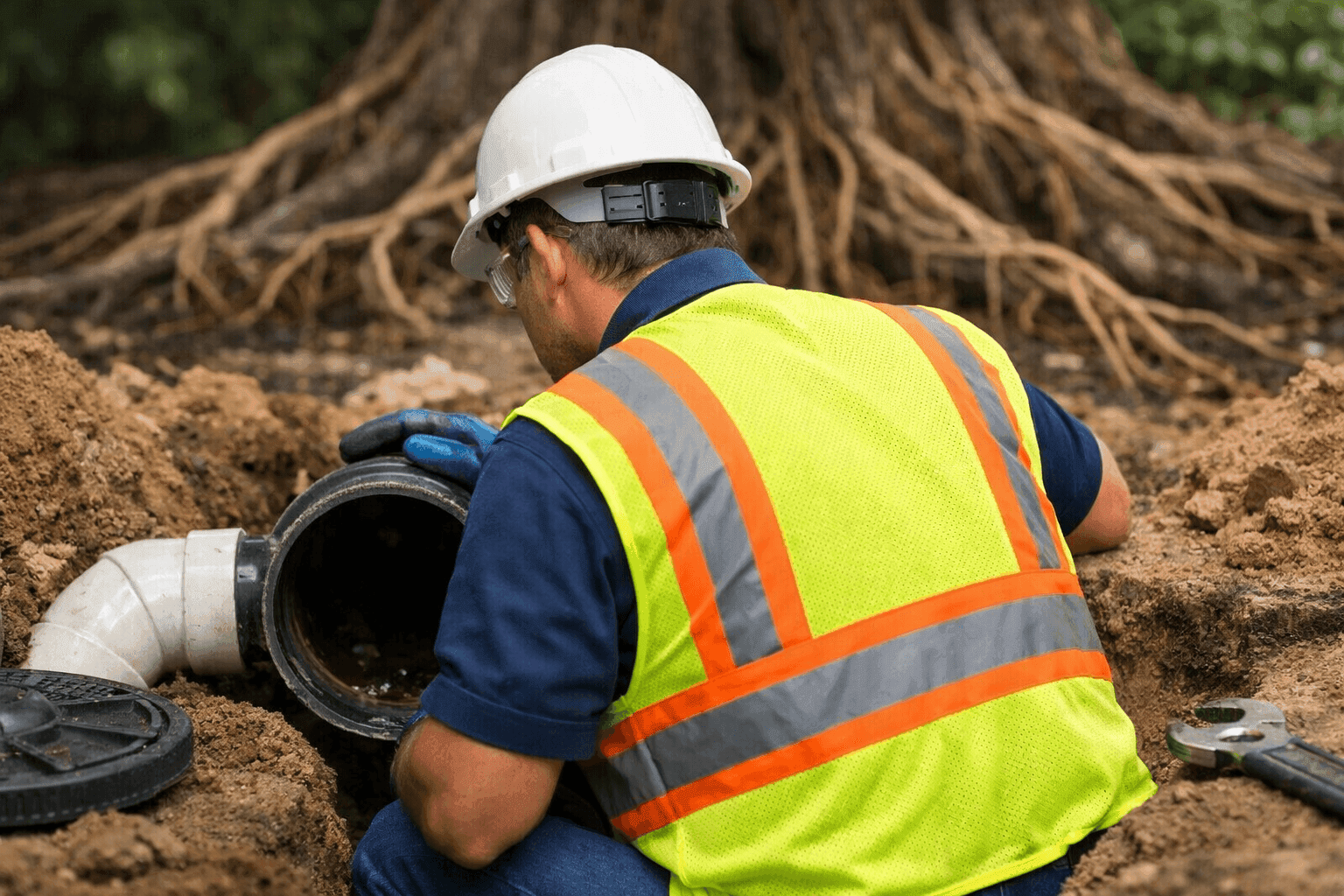
Ever had your toilet bubble like a swamp monster? Or your shower drain cough up muddy water when it rains? If you live in a tree-lined neighborhood, you might be facing more than just a clog. Tree roots love sewer lines, and when they invade, the damage can be messy, expensive, and totally overwhelming.
At Peters Flo Plumbing, we've seen it all. Roots sneaking into hairline cracks, busting pipes, and turning quiet homes into construction zones. The good news? You don’t have to wait for disaster. With the right knowledge (and a little elbow grease), you can keep your plumbing—and your peace of mind—intact.
Why Roots Invade Pipes 🌳
Trees are thirsty—always hunting for moisture. Sewer lines are like a five-star restaurant for roots: warm, wet, and full of nutrients. Even the tiniest crack in your pipes acts like an open invitation. Roots slip in, grow, and soon you’ve got a tangled mess blocking everything.
Think of your sewer line as a straw. When roots find a way in, they start to slurp up every drop. Over time, those tiny root hairs thicken into ropes, pressing against the pipe until it bursts or collapses. It’s nature’s way of turning your plumbing into a jungle.
Warning Signs: Trouble Below the Surface
How do you know if roots are sneaking into your pipes? Watch for these red flags:
- Slow-draining sinks, showers, or tubs
- Gurgling noises from toilets or drains
- Frequent backups, especially after rain
- Sewage smells outside or in the basement
- Lush patches of grass or soggy spots in the yard
If you spot one—or a few—don’t shrug it off. Roots work quietly, but their damage is anything but silent.
The Hidden Dangers of Waiting
Ignoring root problems is like letting termites eat away at your house. The longer you wait, the worse it gets. Left unchecked, roots can:
- Crack or collapse pipes
- Cause raw sewage backups in your home
- Lead to expensive emergency repairs
According to the International Association of Plumbing and Mechanical Officials (IAPMO), proactive maintenance can save homeowners thousands over time. Don’t let tree roots call the shots.
Root Prevention Strategies That Work
Ready to fight back? Here’s how to keep roots where they belong—outside your pipes.
1. Rethink Your Landscaping
Planting a new tree? Keep it at least 10–20 feet away from your sewer lines. Need help locating your pipes? Many cities offer free maps or marking services. Choose “sewer-safe” trees and shrubs, like dogwoods or Japanese maples, with less aggressive roots.
2. Install Root Barriers
Think of root barriers as underground shields. These sturdy panels are buried between trees and your sewer line. When roots hit the barrier, they turn away—no more pipe invasions.
- Physical barriers: Made of plastic or metal, lasting decades.
- Chemical barriers: Soil-safe solutions that discourage root growth near pipes.
A licensed plumber can advise which style fits your yard best.
3. Schedule Routine Sewer Inspections
Out of sight isn’t out of mind. Peters Flo Plumbing uses video cameras to inspect pipes from the inside—catching roots before they cause chaos. Aim for a checkup every 1–2 years, especially if your home is older or has large trees nearby.
Quick Safety Checklist for Homeowners
Before you dig, plant, or repair anything:
- Call 811 to locate underground utilities
- Wear gloves and eye protection when handling root barriers or chemicals
- Never use harsh chemicals without reading the label
Your safety comes first. When in doubt, leave big jobs to the pros.
Common Mistakes Homeowners Make
Even the best intentions can backfire. Avoid these pitfalls:
- Overwatering trees near pipes (encourages deeper roots)
- Planting fast-growing or invasive species
- Ignoring small sewer backups or “phantom” clogs
- Pouring chemical drain cleaners down slow drains (can damage pipes)
Smart care up front pays off later.
DIY Root Prevention vs. Calling a Pro
Some tasks—like planting trees away from pipes or spreading mulch—are DIY-friendly. But when roots are already inside your sewer line, it’s time to call Peters Flo Plumbing.
What can go wrong with a DIY root removal?
- Damaging fragile clay or cast iron pipes
- Pushing roots further into the system
- Exposing yourself to raw sewage
A professional plumber uses specialized tools and safe techniques to clear roots without making things worse.
What Pros Do When They Arrive
When you call for help, here’s what to expect:
- Inspection: We run a camera through your sewer line to spot trouble.
- Root Removal: Mechanical augers, hydro-jetting, or safe foaming agents cut and clear roots.
- Pipe Assessment: If your pipe is cracked, we can repair or replace it—fast.
- Prevention Plan: Recommendations for landscaping, barriers, or routine service.
Fast, efficient, and done right the first time.
Professional Solutions: The Heavy Lifters
For severe root problems, pros use:
- Hydro-jetting: High-pressure water blasts roots away without harming pipes.
- Mechanical augers: Strong blades cut through snarls and blockages.
- Pipe relining: A new, seamless liner is installed inside the old pipe, blocking roots for good.
These methods follow plumbing codes set by the Uniform Plumbing Code (UPC), ensuring safe, legal repairs.
Routine Maintenance: Your Best Defense
Don’t wait for disaster. Set reminders for:
- Annual sewer line inspection
- Cleaning or jetting every 18–24 months
- Checking for soft spots or wet areas in your yard
Being proactive keeps roots—and headaches—at bay.
Costs & Time Factors: What to Expect
Worried about cost? Preventing root problems is far cheaper than fixing a broken sewer line. A camera inspection or root barrier install is a fraction of the price of a major repair. Most jobs are completed in a day or less, minimizing disruption to your home.
When It’s an Emergency
If you notice raw sewage backing up, flooded basements, or multiple drains clogging at once—don’t wait. These are signs of a total blockage. Call for Backflow Prevention immediately to protect your home and health.
Seasonal Considerations for Root Invasion
Roots are most active in spring and early summer when trees wake up from winter. Schedule inspections before roots hit their growth spurt, and check again after heavy rainstorms.
Frequently Asked Questions
How do I know if my pipes are already invaded by roots?
Watch for slow drains, gurgling toilets, or sewage smells. A professional camera inspection will tell for sure.
Can roots get into new plastic pipes?
Roots prefer joints and cracks, which are more common in older clay or cast iron pipes. But even plastic pipes can be vulnerable if installed incorrectly or damaged.
Should I avoid planting all trees near my home?
Not all trees are pipe-invaders. Choose species with less aggressive root systems, and plant far from sewer lines.
The Timeline & Disruption: How Long Will It Take?
Most root removals and repairs are completed in less than a day. Major replacements or relining may take longer, but scheduling regular maintenance keeps surprises at bay.
Materials & Equipment Used for Root Control
Professional plumbers use:
- Inspection cameras
- Hydro-jetting machines
- Mechanical augers
- Root barrier panels (plastic, metal, or chemical)
- Pipe relining materials
These tools keep your plumbing safe, efficient, and up to code.
Ready to Protect Your Home?
Tree roots don’t have to win. With smart planning and regular care, you can enjoy your shade trees and a clog-free home. For plumbing emergencies, root removal, or Backflow Prevention near you, let our team in Castro Valley help with reliable residential plumbing solutions.
Call Peters Flo Plumbing now — or reach us anytime at 877-331-9687 .