How to Prevent Rust Stains in Plumbing Fixtures
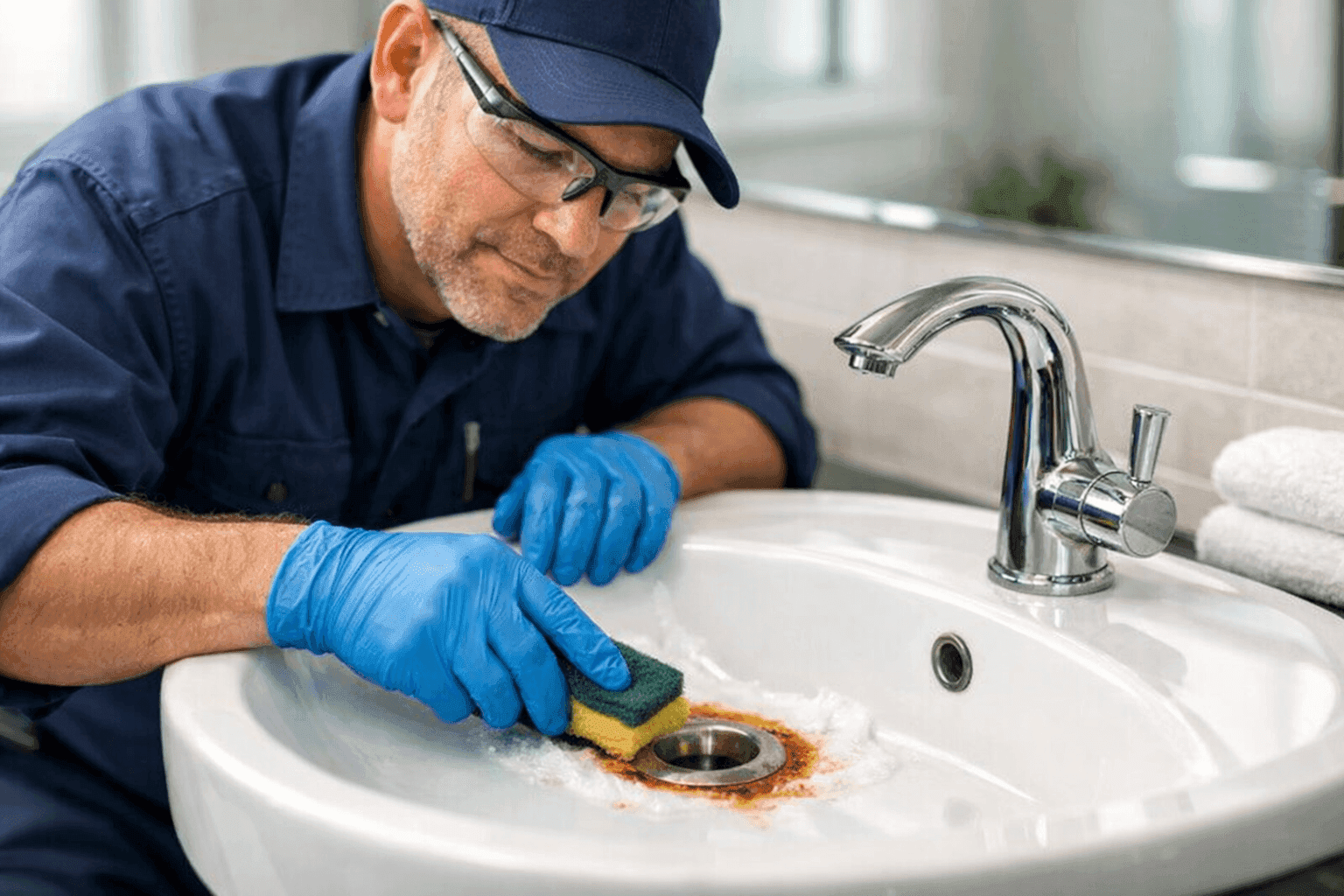
Life moves fast. Who wants to slow down to scrub ugly orange stains from the sink again and again? Rust stains are more than just an eyesore—they’re a red flag waving at your plumbing, hinting at trouble beneath the surface.
At Peters Flo Plumbing, we know the frustration of battling rusty fixtures. But with a little know-how and some regular TLC, you can keep your bathroom and kitchen sparkling, and your pipes healthy for the long run.
Why Rust Stains Form 🛁
Ever wondered why your once-shiny fixtures start to look like they’ve been splashed with orange paint? It’s all about the water.
The Science Behind the Stains
Rust stains happen when iron particles in your water meet oxygen. This combo creates iron oxide—the same stuff that turns old bikes red-brown. Over time, even a trickle of water with high iron content can leave stubborn streaks on your sinks, tubs, and toilets.
Common Causes
- High Iron Content: Well water is notorious for this. Municipal water isn’t immune, especially in older neighborhoods.
- Aging Pipes: Galvanized or iron pipes corrode as they age, releasing particles into your water.
- Backflow Issues: Water flowing the wrong way can pull in contaminants. That’s why Backflow Prevention is critical for protecting your fixtures.
- Leaky Faucets: Dripping water leaves iron deposits behind, giving rust time to build up.
Spotting the Signs
- Orange or reddish-brown streaks around drains or faucet bases
- Stubborn stains that don’t wash away with regular soap
- Metallic taste or smell in your tap water
Cleaning and Removal: Restore That Shine
If rust stains are already making themselves at home, don’t panic. Cleaning them off is possible—with the right approach.
What Works (And What Doesn’t)
- Baking Soda & Vinegar: A gentle scrub with this combo can lift light stains.
- Lemon Juice & Salt: The acid in lemon helps dissolve rust—great for porcelain or ceramic.
- Commercial Rust Removers: Choose products labeled safe for plumbing fixtures. Avoid anything too abrasive; you don’t want to scratch the finish.
- Avoid Bleach: It can make rust stains worse by reacting with iron.
How to Clean Step-by-Step
- Wet the stained area.
- Sprinkle baking soda or salt directly on the stain.
- Pour on vinegar or lemon juice and let it fizz for 5 minutes.
- Scrub gently with a soft cloth or sponge.
- Rinse thoroughly with clean water.
- Repeat if needed. Deep stains may take a few tries.
Safety First
Always wear gloves and ventilate the room. Some cleaners can be harsh, so check the label and follow directions.
Prevention Tips: Keep Rust Away for Good 🧼
The best way to deal with rust stains? Stop them before they start.
Upgrade Your Cleaning Routine
- Dry Surfaces After Use: Water left sitting is prime real estate for rust.
- Weekly Wipe-Downs: Use a non-abrasive cleaner and a soft cloth.
- Fix Leaks Fast: Even a tiny drip can create a big stain over time.
Protect Your Plumbing
- Water Filtration Systems: Installing a filter can remove iron and other minerals before they hit your fixtures.
- Backflow Testing: Regularly scheduled Backflow Prevention checks ensure your water only flows one way—clean and clear.
- Pipe Replacement: If your home still has old galvanized pipes, consider an upgrade to modern materials that resist corrosion.
Seasonal Checks
- Spring & Fall Inspections: Changing seasons can shift pipes and expose weak spots. Catching issues early can prevent rust and leaks.
- Monitor Water Changes: If you notice a sudden spike in stains, taste, or smell, get your water tested.
Simple Fixture Protection
- Use faucet aerators and filters to trap sediment.
- Choose rust-resistant fixtures (stainless steel, plastic, or coated brass).
When to Call a Pro
DIY can only go so far. Some rust stains are a symptom, not just a surface problem.
Signs You Need Help
- Stains keep returning, even after deep cleaning.
- You spot rust in water from every tap.
- Water pressure drops or there’s a metallic taste.
- Visible corrosion on pipes or fixtures.
What a Plumber Will Do
A skilled technician from Peters Flo Plumbing will:
- Inspect your plumbing for iron and corrosion sources
- Test water quality and check for backflow issues
- Recommend filtration or pipe upgrades if needed
- Fix leaks and replace damaged fixtures
For urgent plumbing needs—like leaks, water heater trouble, or stubborn rust—don’t wait. Check out our water heater repair services if you suspect your unit is causing discoloration or stains.
Quick Safety Checklist
Before tackling stains or plumbing fixes:
- Shut off water if replacing parts or pipes.
- Wear gloves and eye protection.
- Never mix cleaning chemicals.
- Read all product labels first.
DIY vs. Call a Pro: Know Your Limits
Sure, you can tackle surface stains. But persistent rust or water quality issues usually point to bigger problems.
- DIY: Minor stains, regular cleaning, tightening loose fixtures.
- Call Peters Flo Plumbing: Ongoing stains, pipe corrosion, water quality changes, or any sign of leaks.
Common Mistakes to Avoid
- Scrubbing with steel wool or abrasive pads (these scratch and invite more rust)
- Using bleach or harsh chemicals on metal fixtures
- Ignoring small leaks or drips
- Skipping annual plumbing inspections
Frequently Asked Questions
Can rust stains damage my fixtures?
Yes. Over time, rust can eat away at finishes and even weaken pipes and fittings.
Is rust in water safe?
While small amounts aren’t usually hazardous, heavy iron content can affect taste, stain laundry, and signal bigger plumbing issues.
Will a water softener fix rust stains?
Not always. Water softeners mainly tackle calcium and magnesium, not iron. Look for a filter designed for iron removal.
Materials and Equipment for a Rust-Free Home
- Soft cleaning cloths and sponges
- Baking soda, vinegar, lemon juice, salt
- Non-abrasive commercial rust removers
- Water iron test kit (available at hardware stores)
- Gloves and safety goggles for cleaning
How Much Does It Cost to Fix Rust Stains?
- DIY Cleaning: A few dollars for supplies.
- Professional Help: Costs vary based on pipe repairs, fixture replacement, or filtration installation. Addressing the root cause saves money in the long run.
Timeline & Disruption: What to Expect
- Cleaning: 15–30 minutes per fixture for mild stains.
- Plumbing Repairs or Filtration Installation: Usually a few hours, but larger jobs may take a day.
- Water Testing: Quick and non-disruptive.
Seasonal Considerations
Cold winters and hot summers can stress pipes—especially older ones. Schedule seasonal checks to spot rust risks early. If you’re in the Owensboro plumbing service area, our team is always ready to help with year-round fixture care.
The Bottom Line: Regular Care Keeps Fixtures Clean
Rust stains are stubborn, but not unstoppable. With smart cleaning habits, the right preventative steps, and timely help from a trusted plumber, you can enjoy spotless sinks and worry-free water.
Call Peters Flo Plumbing now — or reach us anytime at 877-331-9687 .