How to Prevent Plumbing Scams: Red Flags and What to Look For
Plumbing problems don’t wait for a convenient time. When disaster strikes, you need help fast. But in those urgent moments, it’s easy to fall for a scam. At Peters Flo Plumbing, we’ve seen too many folks pay the price for a quick fix that turns into a costly headache.
You don’t have to be a plumbing expert to keep your home safe. With a little know-how and a watchful eye, you can outsmart scammers and choose a professional who’ll treat you right.
Most Common Plumbing Scams
Bad actors in the plumbing world are like wolves in sheep’s clothing. They show up fast, talk big, then disappear with your money—or leave a mess behind.
Here’s what to watch out for:
- Unsolicited Knockers: Someone shows up at your door out of the blue, claiming your neighbor had a leak or “noticed something wrong.”
- Sky-High Quotes for Simple Fixes: Charging hundreds of dollars for a basic toilet unclog or a quick drain cleaning.
- Phantom Problems: Claiming you need new pipes, a whole-house repipe, or urgent [Backflow Prevention near you] when your system is just fine.
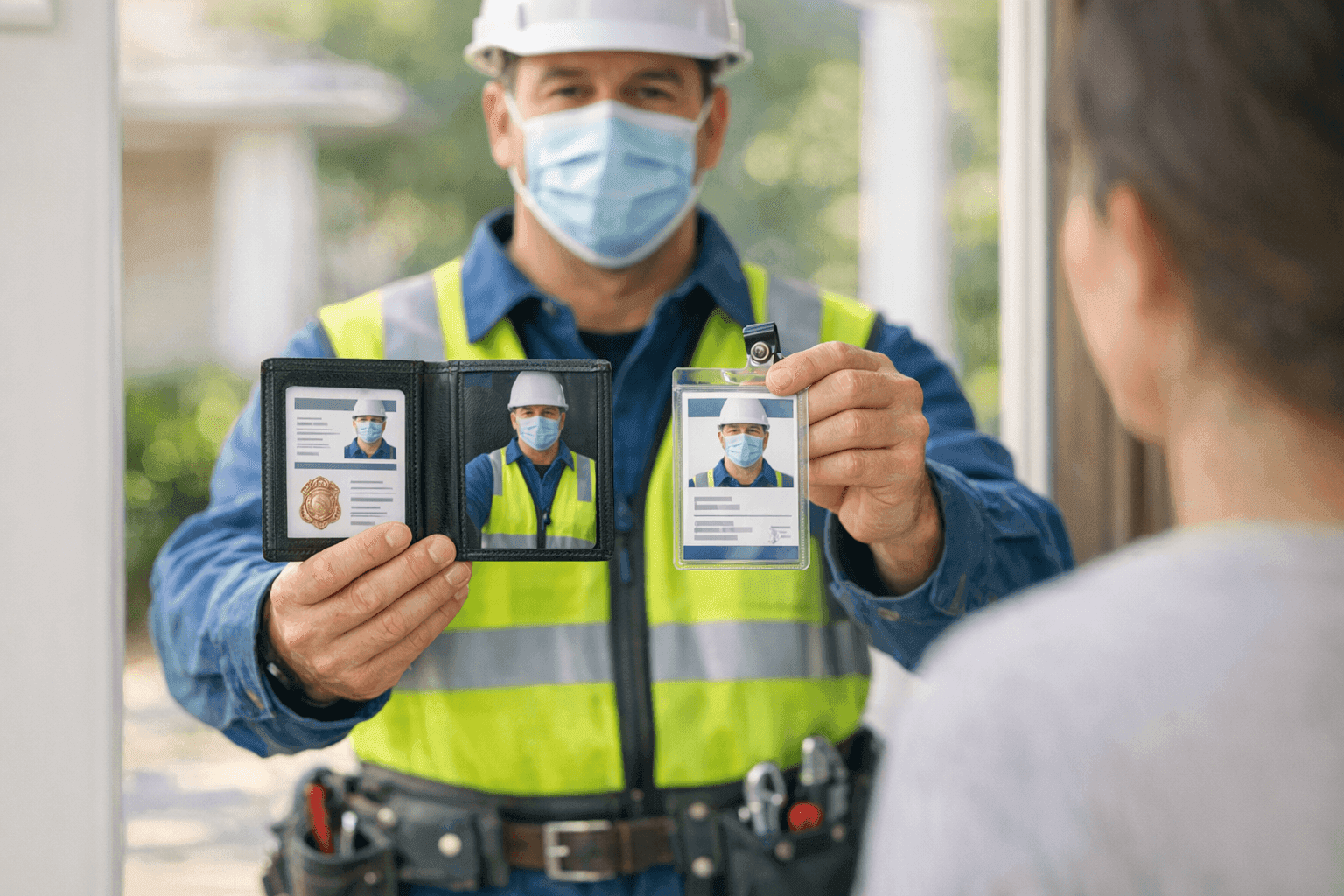
- Missing or Fake Credentials: No license, no insurance, no ID badge—just a lot of talk.
- Cash-Only Demands: Insisting on payment up front, especially in cash, before any work begins.
- Unfinished Jobs: Starting a project and then disappearing, or leaving you with half-done work and more problems than before.
Red Flags to Watch For 🚩
Sometimes, the warning signs are as clear as a leaky faucet.
- High-Pressure Tactics: Pushing you to make a decision right now, saying things like, “This deal is only good today,” or, “If we wait, your house could flood.”
- Changing Prices: Suddenly raising the price after starting the work, blaming “unforeseen issues.”
- No Written Estimate: Refusing to provide a clear, itemized quote in writing.
- No Physical Address: Can’t provide a real business address or local phone number.
- No Website or Reviews: No online presence, or only suspicious, glowing reviews.
- Unmarked Vehicles: Showing up in plain cars with no company logo or contact info.
If you spot even one of these, pause. Take a breath. Don’t feel pressured to agree on the spot.
Questions to Ask Before You Hire
Think of these as your plumbing “shield.” A real pro will answer them confidently.
- Are you licensed and insured in this state?
- Can I see your license and proof of insurance?
- Will you provide a written estimate before starting?
- How will you handle unexpected problems or costs?
- What’s your process for clean-up after the job?
- How long have you been in business?
- Do you have references or online reviews I can check?
- What’s your experience with emergency plumbing services?
If they hesitate or get defensive, that’s your cue to look elsewhere.
Verifying Credentials and Licenses
Don’t just take their word for it—inspect their credentials like you’d check the label on a medicine bottle.
- Look up their license number: Most states have an online database. You can confirm their status and check for violations.
- Ask for proof of insurance: This protects you if something goes wrong on the job.
- Check certifications: For specialized tasks like [Backflow Prevention near you], plumbers may need extra training or state certification.
- Consult code and safety guidelines: The Uniform Plumbing Code (UPC) and your local authorities set the standard for safe, legal work.
- Review online feedback: Google, the Better Business Bureau, and state licensing boards are good places to start.
Up-Front Pricing: Why It Matters
Imagine buying a sandwich and being told the price only after you finish eating. That’s what it’s like when a plumber won’t give you a clear estimate.
- Insist on itemized quotes: Know what you’re paying for—parts, labor, emergency fees, and more.
- Beware “too good to be true” deals: Super-low prices often mean shortcuts, cheap materials, or hidden charges.
- Ask what’s included: Does the quote cover cleanup, disposal of old parts, or potential follow-up visits?
Clarity up front means no nasty surprises when the bill arrives.
High-Pressure Sales: Don’t Get Pushed
If someone makes you feel rushed or anxious, step back. No genuine professional will ever try to scare you into a decision.
- Take your time: Even in an emergency, you can ask questions.
- Get a second opinion: If something feels off, call another plumber.
- Don’t sign blank contracts: Always know what you’re agreeing to.
Your peace of mind matters as much as your pipes.
When It’s an Emergency: Keep Calm
Burst pipe? Sewer backup? It’s hard to think clearly when water’s gushing or the toilet is overflowing.
- Shut off your main water valve: This buys time and limits damage.
- Call a reputable plumber: Look for businesses with a clear online presence, verified credentials, and real customer feedback.
- Don’t pay up front: A small deposit is normal for big jobs, but full payment before work starts is a red flag.
For urgent help, consider emergency plumbing services from a team that puts your safety first.
Prevention & Maintenance: Your Best Defense
Like regular oil changes for your car, plumbing maintenance keeps small problems from turning into wallet-draining disasters.
- Schedule annual checkups: Hidden leaks, corrosion, or water heater trouble can be caught early.
- Backflow testing and drain cleaning: These prevent contamination and clogs before they start.
- Ask about preventative maintenance plans: Some plumbing companies offer scheduled inspections and tune-ups for peace of mind.
A little attention now can save you stress (and money) later.
Common Mistakes Homeowners Make
Even the savviest homeowners slip up when pipes burst or water won’t stop flowing.
- Skipping research: Hiring the first plumber you find, without checking credentials.
- Ignoring small leaks: Tiny drips can signal bigger trouble ahead.
- Not reading the contract: Skimming over the estimate or work order before signing.
Slow down. Ask questions. Read everything.
Signs of Trouble: When to Call a Pro
Some plumbing issues can wait. Others need urgent attention.
Call for help if you notice:
- Water pressure drops suddenly
- Sewage odors from drains or toilets
- Persistent leaks or damp spots
- Gurgling in pipes or slow drains
- Rusty or discolored water
These may point to larger problems, from pipe corrosion to sewer line breaks.
DIY vs. Call a Pro
Changing a faucet washer? Sure, that’s a Saturday project. But for anything involving gas lines, sewer pipes, or leak detection, let the professionals handle it.
- Gas safety: Only licensed plumbers should touch gas lines or appliances.
- Backflow prevention: Specialized training and code compliance are a must.
- Major repairs: Repiping, sewer line work, or water heater installation require experience and the right tools.
If you're in doubt, don’t risk it.
Timeline & Disruption: What to Expect
A real plumber will set clear expectations:
- How long the work will take
- What areas of your home will be affected
- How they’ll protect your floors and belongings
- When you’ll have water again
Transparency builds trust. It also helps you plan your day.
Building a Trusted Relationship 🤝
Good plumbing is about more than pipes and wrenches. It’s about partnership.
- Communicate openly: Share your concerns and ask for updates.
- Keep records: Save estimates, invoices, and notes on work performed.
- Schedule regular checkups: Like a family doctor, a reliable plumber gets to know your home’s quirks.
Strong relationships mean fewer surprises and more peace of mind.
Seasonal Considerations: Don’t Get Caught Off Guard
- Winter: Frozen pipes and water heater issues spike as temperatures drop.
- Spring: Heavy rains can lead to sump pump failures and basement flooding.
- Summer: Outdoor faucets and irrigation systems may need tune-ups.
- Fall: Time to check for leaks and prep pipes for colder weather.
Plan ahead, and your home will weather every season.
Local Codes & Safety: Stay Informed
Every area has its own rules. The Uniform Plumbing Code (UPC) and National Standard Plumbing Code (NSPC) set the baseline, but your town may have stricter requirements.
- Ask your plumber about permits: Some jobs, like boiler repair or sewer line replacement, require them.
- Insist on code compliance: This keeps your home safe and avoids trouble with insurance or future sales.
If you’re in the Attleboro area and searching for a reputable plumber, check out our Attleboro plumbing services for reliable help near you.
Final Thoughts: Choose Confidence, Not Worry
Plumbing isn’t just about pipes—it’s about protecting your home and your family. When you know the red flags and ask the right questions, you can steer clear of scams and get the service you deserve.
Remember: Slow down, stay alert, and don’t be afraid to walk away if something feels off. A trustworthy plumber will always respect your questions and your home.
Call Peters Flo Plumbing now — or reach us anytime at 877-331-9687 .