How to Prevent Plumbing Emergencies at Home
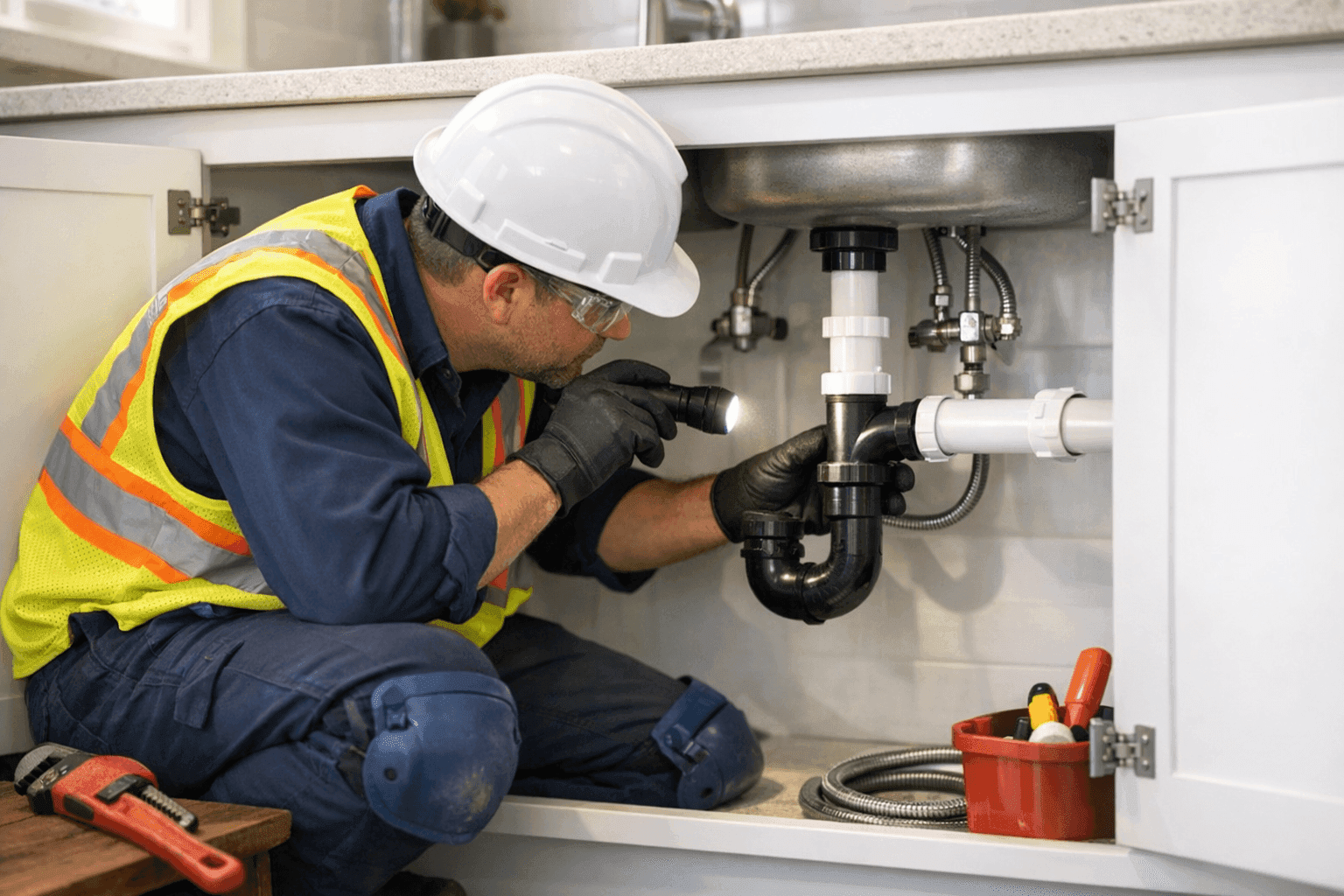
Unexpected plumbing disasters have a way of striking at the worst possible moments. Pipes burst in the dead of winter. Toilets overflow just before guests arrive. A slow drip becomes a soaked ceiling overnight. At Peters Flo Plumbing, we know these headaches all too well—and we’re here to help you avoid them.
With a little know-how and regular attention, you can prevent many plumbing emergencies before they ever start. Let’s take a look at what goes wrong most often—and exactly how you can keep your home dry, safe, and stress-free.
Common Plumbing Emergencies at Home 🚨
Some plumbing issues are just minor annoyances. Others turn your home upside down. Here’s what we see most often:
- Burst Pipes: Water expands when it freezes. Pipes don’t. When cold weather hits, pipes can crack like a dropped icicle.
- Severe Leaks: A drip under the sink can balloon into a flood if ignored.
- Clogged Drains and Toilets: Blockages in kitchen sinks, bathroom drains, or toilets can quickly back up, causing water to spill where it shouldn’t.
- Backflow Problems: When water flows the wrong way, it can contaminate your clean supply.
- Water Heater Failures: Hot showers turn cold, and leaks can damage floors or walls.
- Sump Pump Breakdowns: During storms, a failed pump means water in the basement.
These emergencies don’t just create messes—they can lead to costly repairs, mold growth, and even health hazards.
Why Emergencies Happen: Root Causes
Plumbing is a bit like the veins of your house. If something gets blocked, bursts, or leaks, everything else is affected. Most emergencies trace back to:
- Neglected Maintenance: Skipping routine checks is like driving with your eyes closed.
- Aging Pipes and Fixtures: Pipes and joints wear out. Older homes especially need attention.
- Improper DIY Fixes: Sometimes, a quick patch makes things worse in the long run.
- Seasonal Extremes: Freezing winters and heavy rains put extra strain on plumbing systems.
Proactive Maintenance: The First Line of Defense
Prevention is always easier than cleanup. Think of it as brushing your teeth—regular care keeps big problems away.
- Schedule Routine Inspections: A plumber’s eye will spot issues you might miss. This includes drain cleaning, pipe assessments, and leak checks.
- Clean Drains Regularly: Hair, grease, and debris can build up silently. Avoid harsh chemicals; opt for enzymatic cleaners or professional help.
- Test for Backflow Prevention near you: Especially important if you notice odd tastes or smells in your water.
- Inspect Water Heater and Sump Pump: Look for rust, leaks, or strange noises.
- Check for Leaks: Look under sinks, behind toilets, and around appliances for any sign of moisture.
Spotting the Warning Signs Early
Most emergencies don’t appear out of nowhere. Watch for these red flags:
- Unusual Noises: Gurgling drains, banging pipes, or whistling faucets.
- Slow Drains: Water pooling in sinks or tubs means a clog may be brewing.
- Stains and Moisture: Discolored walls, ceilings, or floors often signal a hidden leak.
- Low Water Pressure: Could indicate a pipe issue or a developing leak.
- Foul Odors: Persistent sewage or musty smells suggest deeper problems.
The sooner you notice, the sooner you can act.
DIY Tips: What You Can Do Yourself 🛠️
There’s plenty you can handle before calling for backup. Here are tried-and-true steps:
- Insulate Pipes: Especially in cold climates. Foam sleeves are inexpensive and effective.
- Know Your Shut-Off Valve: In an emergency, shutting off water quickly is vital. Locate your main valve—and make sure everyone in the family knows where it is.
- Use Drain Screens: Catch hair and debris before they cause trouble.
- Monitor Water Pressure: High pressure wears out pipes faster. Consider installing a pressure regulator if yours is above 80 psi (as recommended by the International Plumbing Code).
- Flush Water Heater: Sediment buildup can cause malfunctions. Flushing yearly extends its life.
- Fix Small Leaks Promptly: Even a slow drip adds up over time.
When to Call a Professional Plumber
Sometimes, DIY only gets you so far. Here’s when it’s time to pick up the phone:
- Major Leaks or Flooding: Water on the floor is not a wait-and-see situation.
- Sewer Backups: If sewage is coming up drains, professional intervention is a must.
- Gas Line Smells: Any hint of gas odor requires immediate evacuation and expert help.
- No Hot Water: This can signal a risky heater malfunction.
- Complex Installations or Repairs: New fixtures, pipes, or appliances are best left to those with the right tools and training.
For reliable plumbing services and peace of mind, you can always reach skilled plumbers in Kenosha for urgent or routine needs.
What Happens When the Pros Arrive
A professional plumber brings more than just a wrench. Here’s what to expect:
- Thorough Inspection: Using tools like cameras for sewer line inspection, moisture meters, and pressure gauges.
- Clear Diagnosis: Pinpointing the root of the problem, not just the symptoms.
- Safe Repairs: Fixes that follow local codes and safety standards.
- Preventative Advice: Tips tailored to your home’s unique setup.
The True Cost and Impact of Plumbing Emergencies
Emergencies hit more than just your wallet. There’s the stress of disruption—no water, torn-up floors, damaged belongings. Repairs can run from a few hundred to several thousand dollars, depending on the damage.
But regular maintenance and quick action can save you both money and hassle in the long run. According to the American Water Works Association, small leaks can waste more than 10,000 gallons of water each year in an average home.
Quick Safety Checklist for Homeowners
- Know where your main water shut-off is.
- Keep emergency numbers handy.
- Don’t ignore small leaks or drips.
- Avoid using chemical drain cleaners—they can erode pipes.
- Maintain your water heater and sump pump annually.
Seasonal Plumbing Considerations ❄️
Winter: Insulate pipes, disconnect outdoor hoses, and check for drafts. Spring: Watch for basement leaks as the ground thaws. Summer: Listen for sump pump trouble during heavy rains. Fall: Clear gutters and inspect outdoor faucets before the first freeze.
Common Mistakes That Lead to Emergencies
- Flushing wipes or hygiene products (even “flushable” ones).
- Pouring grease down kitchen drains.
- Ignoring slow drains or running toilets.
- Attempting complex fixes without proper tools or knowledge.
Timeline and Disruption: What to Expect
Some emergencies can be fixed in an hour. Others mean days of drying, repairs, and restoration. The more prepared you are, the less time your home is out of commission.
Materials and Equipment Every Home Should Have
- Pipe insulation sleeves
- Plunger and drain snake
- Bucket and towels for quick clean-ups
- Flashlight for inspecting under sinks or in crawl spaces
Frequently Asked Questions
Q: How often should I have my plumbing inspected?
A: Annual inspections are a smart move, especially in older homes.
Q: Can I pour boiling water down a clogged drain?
A: Sometimes, but not if you have PVC pipes—it can soften and damage them.
Q: What’s the best way to prevent frozen pipes?
A: Insulate exposed pipes and keep a trickle of water running on the coldest nights.
Q: Are there warning signs before a major plumbing failure?
A: Yes—unusual noises, slow drains, and water stains are all early clues.
A Little Professional Assessment Goes a Long Way
Having a qualified plumber inspect your system—even when nothing seems wrong—can bring real peace of mind. At Peters Flo Plumbing, we’ve seen firsthand how regular care and early detection can keep your home safe, dry, and running smoothly.
Don’t wait for a small issue to become a flood. Take these steps today to protect your home and your sanity.
Call Peters Flo Plumbing now — or reach us anytime at 877-331-9687 .