How to Prevent Frozen Pipes in Winter
Winter can be beautiful, but it’s also hard on your home’s plumbing. Frozen pipes aren’t just a nuisance—they can turn a cozy night into a scramble to stop a flood. At Peters Flo Plumbing, we help homeowners stay ahead of winter’s worst surprises.
If you’ve ever dealt with a pipe burst, you know the stress and mess it brings. Let’s break down why pipes freeze, where your home is most at risk, and what you can do today to keep water flowing safely—even on the coldest nights.
Why Pipes Freeze ❄️
When temperatures dip below freezing, water inside pipes can turn to ice. Water expands as it freezes, pressing against the pipe walls like a soda can swelling up in the freezer. Eventually, something gives. Usually, it’s the pipe.
According to the International Code Council, pipes are especially vulnerable when the temperature drops below 20°F (-6°C). Even insulated homes can have hidden cold spots where pipes are exposed to freezing air. The result? Cracks, leaks, or full-on bursts that can damage floors, walls, and cherished belongings.
Vulnerable Areas in Your Home
Some pipes are more likely to freeze than others. Think of your plumbing like a tree—the outermost branches are most exposed to winter’s chill.
- Unheated basements and crawl spaces: Pipes running along exterior walls or uninsulated ceilings are in the danger zone.
- Attics and garages: These spots often lack heat, making pipes an easy target for cold air.
- Under kitchen and bathroom sinks: Cabinet doors can trap cold air, especially against exterior-facing walls.
- Outdoor spigots and hoses: Leftover water can freeze fast, causing cracks that creep back inside.
How Insulation Protects Your Pipes
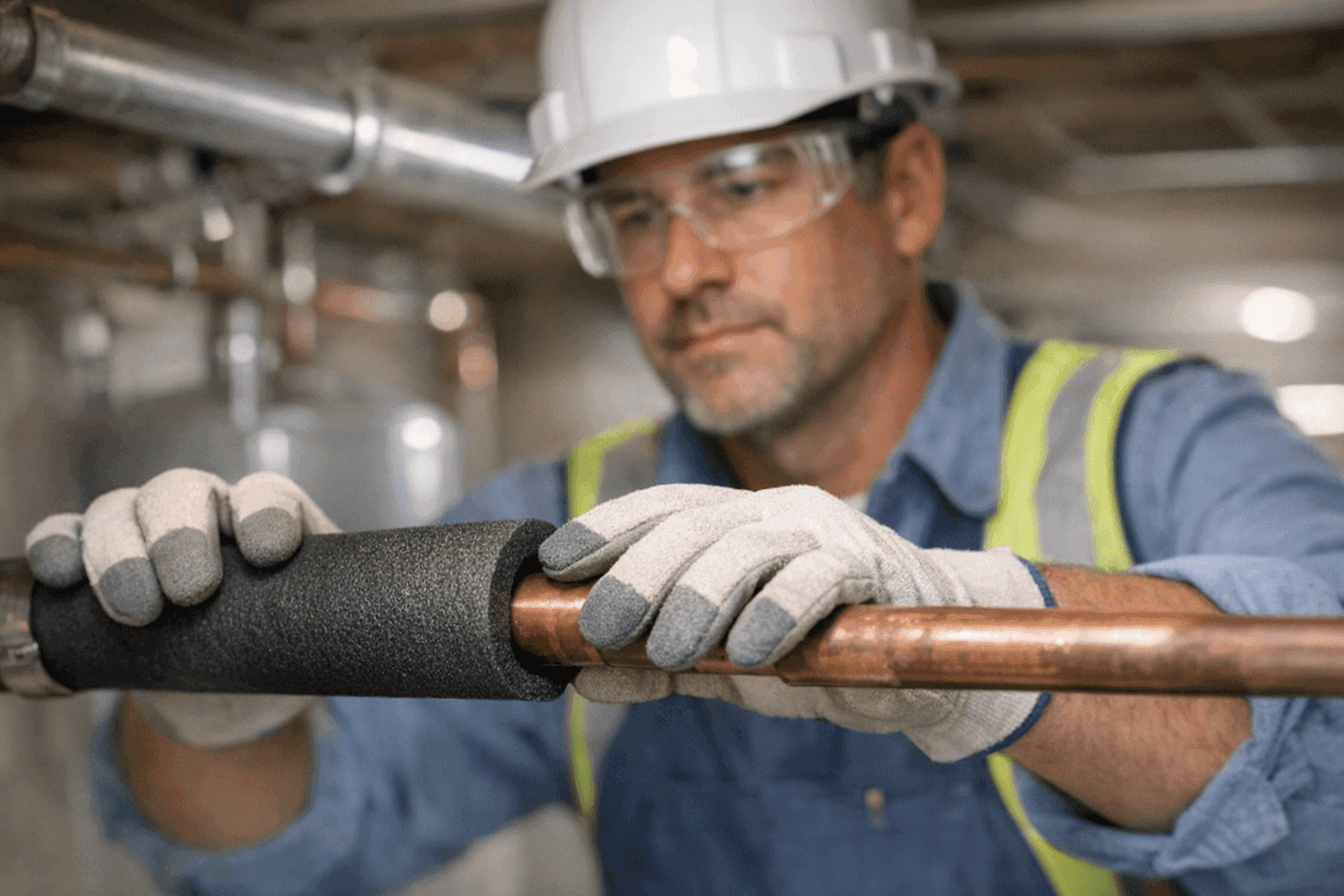
Insulation acts like a thick winter coat for your plumbing. Foam pipe sleeves, fiberglass wraps, or even old towels can help keep the cold away. For high-risk areas, consider heat tape—an electric wrap that gently warms pipes during deep freezes. Just be sure any heat tape installation follows manufacturer instructions and local electrical codes for safety.
Adding insulation to crawl spaces, attics, and garages can help. The U.S. Department of Energy recommends at least R-3 insulation for pipes in unheated spaces. This small investment pays off by reducing the risk of pipe bursts—and the costly repairs that follow.
Prevention Steps: What You Can Do
You don’t need to be a plumber to take smart steps against winter damage. Here’s what you can do today:
- Let faucets drip: A trickle of water keeps pressure from building up. Even a slow drip can be enough.
- Open cabinet doors: Allow warm indoor air to circulate around pipes under sinks.
- Seal cracks and holes: Use caulk or spray foam to block cold air from sneaking in where pipes enter your home.
- Disconnect, drain, and shut off outdoor hoses: Water left inside can freeze and travel back into your plumbing. Always drain sprinkler lines and garden hoses before the first hard freeze.
- Keep the heat on: Even if you’re away, maintain at least 55°F (13°C) indoors to protect pipes.
- Know your main shutoff valve location: In an emergency, stopping water fast can limit damage.
Draining Outdoor Lines: Don’t Skip This Step
It’s easy to forget about outdoor plumbing. But one cold snap can turn a forgotten hose bib into a costly repair job.
- Turn off the shutoff valve inside your home (if you have one) for outdoor faucets.
- Open the faucet outside to let remaining water drain out fully.
- Store hoses indoors to prevent splitting and leaks come spring.
This step is crucial for backflow prevention. If a freeze causes a rupture, contaminated water can enter your main supply. For long-term peace of mind, consider annual Backflow Prevention.
Common Signs of Trouble
Spotting issues early can save you from disaster. Watch for these warning signs:
- No water or just a trickle from faucets.
- Frost or condensation on exposed pipes.
- Bulging, cracked, or noisy pipes.
- Damp spots on walls or floors.
Hear banging or see bulges? It’s time to act.
What To Do if Your Pipes Freeze 🚨
First, don’t panic. If you turn on a faucet and nothing comes out, chances are the pipe is frozen—but not yet burst. Here’s what you should do:
- Turn off the main water supply using your home’s shutoff valve.
- Open all faucets to relieve pressure in the lines.
- Apply gentle heat to the frozen area—use a hair dryer, heating pad, or warm towels. Never use an open flame; that’s a fire hazard.
- Start thawing near the faucet and work back toward the frozen section.
- Check for leaks as the ice melts. If you spot one, call for help immediately.
If a pipe bursts, shut off water and electricity to the area and contact a professional right away. Fast action can limit water damage and mold growth.
DIY vs. Calling a Pro
Some prevention steps are simple and safe for homeowners. Wrapping pipes, opening cabinets, and letting faucets drip are all good DIY measures.
But for complex fixes—like installing new insulation, repairing leaks, or adding heat tape—it’s best to call a licensed plumber. The right tools and know-how make a big difference. Plus, professional work often meets local plumbing codes and insurance requirements.
What Pros Do on Arrival
When Peters Flo Plumbing arrives, we:
- Inspect exposed and hidden pipes for damage.
- Use specialized tools (like pipe thawing machines) for safe, controlled warming.
- Check for hidden leaks or cracks after thawing.
- Advise on permanent fixes, like rerouting pipes or upgrading insulation.
We also review your system for backflow prevention, making sure winter issues don’t compromise your home’s water quality.
Emergency Plumbing: When Every Minute Counts
Frozen pipes can quickly turn into a crisis if they burst. Water flooding a basement or kitchen isn’t just inconvenient—it’s dangerous and expensive to fix.
If you notice a sudden drop in water pressure, strange noises, or water pooling where it shouldn’t be, don’t wait. Emergency plumbing services save time, money, and a lot of stress. For more details on what to expect, see our emergency services in Santa Fe.
Materials & Equipment: What You Might Need
Stock up before the cold sets in. Basic supplies include:
- Foam pipe insulation
- Heat tape (UL-listed)
- Caulk or spray foam
- Hair dryer or portable heater
- Towels and buckets (for cleanup)
- Flashlight for dark crawl spaces
Having these on hand means you’re ready for quick fixes until help arrives.
Seasonal Maintenance Tips
Don’t let winter sneak up on you. Each fall:
- Inspect and insulate exposed pipes.
- Drain and shut off outdoor faucets.
- Test your sump pump, especially if your basement tends to flood.
- Check your water heater for signs of wear.
- Book a professional inspection for peace of mind.
For more info on keeping your pipes healthy year-round, check out our preventative maintenance service.
Costs & Time Factors
Preventing frozen pipes is far less expensive than fixing a burst one. Insulation and simple supplies cost a fraction of emergency repairs, which can run into thousands of dollars once water damage sets in.
A little time spent on prevention can save days—or even weeks—of disruption, repairs, and insurance claims.
FAQ: Quick Answers
How cold does it have to be for pipes to freeze?
Most pipes start to freeze below 20°F, but wind and poor insulation can cause trouble at higher temps.
Can I use a space heater to thaw pipes?
Only under supervision and never unattended. Avoid open flames.
Will dripping faucets spike my water bill?
A slow drip costs little compared to a burst pipe’s damage.
Common Mistakes to Avoid
- Forgetting to disconnect hoses.
- Ignoring crawl spaces and attics.
- Letting your home temperature drop too low while away.
- Using open flames to thaw pipes—a major fire risk.
Stay ahead of winter by thinking like a plumber. A little effort now beats big headaches later.
Call Peters Flo Plumbing now — or reach us anytime at 877-331-9687 .