How to Prepare Your Plumbing for Storms and Heavy Rain
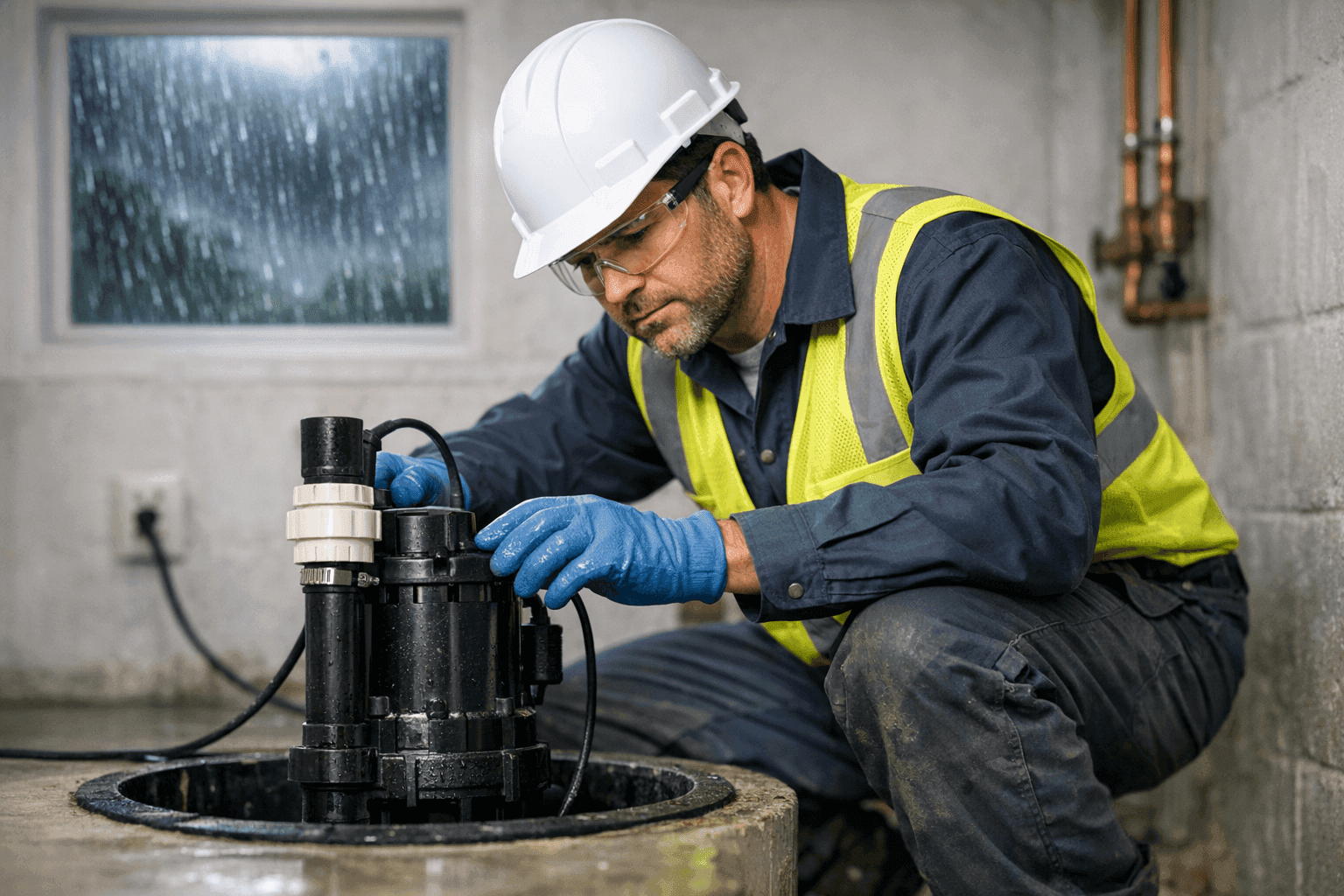
When dark skies roll in and the forecast shouts “heavy rain,” it’s not just your basement you should worry about—it’s your entire plumbing system. At Peters Flo Plumbing, we’ve seen how a single storm can upend daily life for homeowners. Fast-rising water, overwhelmed drains, and hidden leaks don’t wait for an invitation.
The good news? With a little prep, you can steer clear of most plumbing headaches. Let’s walk through what every homeowner needs to know before the next downpour.
Plumbing Risks During Storms 🌧️
Storms and heavy rain test every inch of your home’s plumbing. Like a river after a thunderstorm, your pipes, drains, and sump pumps face surges they weren’t built for.
Here’s what’s at stake:
- Sewer Backups: When city systems are overloaded, wastewater can flow the wrong way—right into your basement.
- Flooded Basements: Sump pumps can fail or get overwhelmed, letting groundwater rise.
- Burst Pipes and Leaks: Sudden pressure changes, ground shifts, or clogged drains push pipes to their breaking point.
- Contaminated Water: Without backflow-prevention, stormwater can mix with your clean supply.
According to the Environmental Protection Agency (EPA), backflow events and sewer backups are among the top causes of property damage during major storms.
The Quick Safety Checklist
Before the clouds open up, run through this list:
- Clear gutters and downspouts. Leaves and debris act like dams, sending water where you don’t want it.
- Test your sump pump. Pour a bucket of water into the pit and make sure it kicks on.
- Check for visible leaks. Pipes under sinks, behind toilets, and in the basement should be dry.
- Inspect your backflow prevention device. If you don’t have one, it’s time to Backflow Prevention.
- Know your main water shutoff location. In an emergency, seconds count.
How Storms Impact Drains and Sewer Lines
Think of your home’s drains as the city streets during a parade—normally, traffic flows smoothly. But when everyone rushes out at once, jams happen. Stormwater and debris can clog pipes, leading to backups and slow drains.
Tree roots, washed-out soil, and even small cracks can become big problems. Regular sewer line inspections are key, especially if your home is older or surrounded by mature trees.
Preventing Flooding and Water Damage
Some steps are simple. Others need a plumber’s touch. Here’s what helps:
- Install a sump pump battery backup. Power outages and storms go hand-in-hand.
- Add a water alarm near the sump pit. Early warnings mean less damage.
- Seal foundation cracks. Even hairline gaps let water sneak in.
- Schedule annual preventative maintenance. A professional eye can spot trouble before it starts.
The International Association of Plumbing and Mechanical Officials (IAPMO) recommends routine maintenance of stormwater drainage systems before every rainy season.
Sump Pump and Backflow Prep 🛠️
Your sump pump is the goalie of your basement. Test it twice a year—before spring and fall storms. Make sure the discharge pipe leads away from your foundation.
For backflow prevention, check that your device is certified and up to code. In most areas, annual testing by a licensed plumber is required. Don’t skip it. Contaminated water is a risk to your family’s health.
Emergency Plumbing Kit: What Every Home Needs
When the power goes out or water starts rising, you’ll want these supplies ready:
- Flashlights and extra batteries
- Manual pump or wet/dry vacuum
- Clean towels and plastic sheeting
- Duct tape for temporary pipe repairs
- A list of emergency contacts (including your plumber!)
- Gloves and rubber boots
Keep your kit in a waterproof container in an easy-to-reach spot.
DIY or Call a Pro? Knowing Your Limits
It’s tempting to tackle everything solo. But when it comes to major leaks, sewer backups, or sump pump failure, calling a professional is the best move. Water can hide in walls, under floors, and in places you’d never expect.
Minor clogs or prepping your emergency kit? Go for it. For anything else, don’t gamble with your home’s safety.
What to Expect When the Pros Arrive
When Peters Flo Plumbing comes out after a storm, here’s our playbook:
- Assess the scene: We check all the usual suspects—sump pump, drains, visible pipes, and backflow devices.
- Stop active flooding: If water is rising, we prioritize shutting it down.
- Prevent further damage: Quick fixes, rerouting, or temporary repairs come next.
- Plan permanent solutions: We’ll let you know if you need new parts, upgrades, or follow-up service.
Warning Signs: Don’t Ignore These Red Flags
- Water pooling around floor drains or in the yard
- Gurgling noises from toilets or sinks after rain
- Musty odors or visible mold in the basement
- Sudden drops in water pressure
- Discolored or odd-tasting tap water
These are your home’s way of asking for help. Don’t wait until the next storm hits.
Cost and Time: What Storm Prep Involves
- Routine inspection: Usually a quick visit—often less than an hour.
- Sump pump installation/upgrade: Plan on a half day.
- Backflow prevention device: Installation and testing can take a few hours.
- Repairs: Timeline depends on damage, but acting early keeps costs down.
Homeowners who invest in storm prep often save thousands in water damage repairs.
When Is It an Emergency?
If water is flowing where it shouldn’t—especially near electrical panels—or you see sewage backing up, call immediately. Mold can start growing in less than 24 hours. Safety first.
For urgent plumbing help, especially after major storms, see our trusted emergency plumbing services in Aloha.
Seasonal Considerations
Storm prep isn’t just for hurricane season. Spring thaws, summer downpours, and even late fall storms can overwhelm your plumbing. Mark your calendar for a spring and fall checkup.
Common Homeowner Mistakes
- Ignoring slow drains (“It’ll clear itself!”)
- Forgetting to test the sump pump
- Using chemical drain cleaners (which can damage pipes)
- Skipping annual backflow testing
A little attention now prevents big problems later.
Materials and Equipment Worth Having
- Backup sump pump battery
- Quality backflow prevention device (check for local regulations)
- Water alarms
- Heavy-duty extension cords (for pumps)
- Waterproof storage bins
Invest once—save yourself future headaches.
FAQ: Plumbing and Storms
Q: Can I pour bleach in my sump pit to clean it?
A: No. Bleach can damage the pump and pipes. Use a mild detergent if needed.
Q: How often should I test my backflow prevention device?
A: At least once a year, or as required by local code.
Q: What’s the fastest way to stop a leak?
A: Shut off your main water valve immediately, then call for help.
Ready for the Next Storm?
With these steps, your home’s plumbing will weather almost any storm. Stay dry, stay safe, and don’t leave it to luck. Peters Flo Plumbing is just a call away.
Call Peters Flo Plumbing now — or reach us anytime at 877-331-9687 .