How to Prepare for a Plumbing Remodel: Budget, Codes & Planning
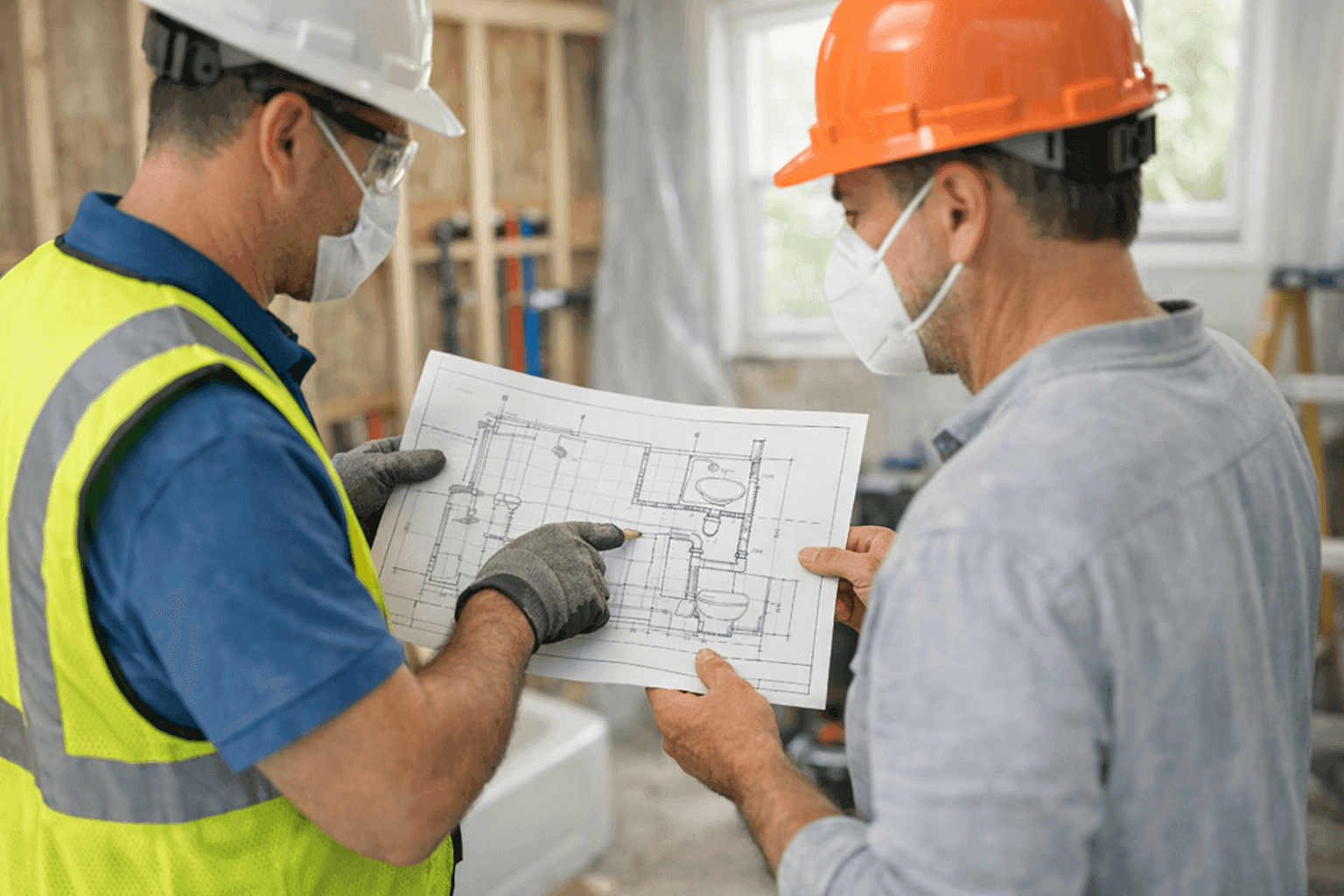
Thinking about a plumbing remodel? It’s exciting—and a little daunting. Maybe your pipes are old, or you’re dreaming of a sparkling new bathroom or a kitchen that finally works the way you want. But if you’re like most homeowners, you’ve heard stories about remodels that run over budget or get delayed because of permit issues.
At Peters Flo Plumbing, we’ve helped countless homeowners prepare for upgrades that last. Whether you’re planning a full bathroom overhaul or just want better water pressure, smart planning is your best friend.
Why Careful Planning Matters 📝
A plumbing remodel isn’t just about new pipes or shiny fixtures. It’s about protecting your investment and your peace of mind. When you plan ahead, you avoid running into surprise costs, long delays, or—worst of all—water damage that undoes all your hard work.
Think of your remodel like a road trip. You need a map, a budget, and the right crew before you hit the gas. Planning helps you steer clear of potholes and detours.
Setting Your Remodel Budget
Budgeting for plumbing is more than just tallying up fixture prices and labor. You’ll want to factor in:
- Demolition and prep work (removing old pipes, fixtures, cabinets)
- Permit and inspection fees
- The cost of new pipes, fittings, and valves
- Upgrades for code compliance or energy efficiency
- Unexpected repairs (like hidden leaks or corroded lines)
- Labor for licensed professionals
Leave at least 10–20% of your budget for the “unknowns.” Pipes hidden behind walls sometimes tell stories you can’t see up front.
Want a rough starting point? According to the National Kitchen & Bath Association, plumbing can be 15–20% of a major remodel’s total budget. Small jobs—like fixture swaps—are usually less, but always plan for surprises.
Understanding Code Requirements
You wouldn’t build a house without a foundation. Plumbing codes are the foundation of a safe, reliable system. They cover everything from pipe size and venting to Backflow Prevention near you and proper slope for drains.
Before you start, check your local regulations. Most municipalities require plumbing permits for remodels. Inspections make sure your upgrades are safe and up to snuff. Skipping permits could lead to fines—or worse, future leaks or sewer backups.
The International Plumbing Code (IPC) and Uniform Plumbing Code (UPC) set the standards, but your city or county may have its own tweaks. Always ask your plumber about what’s required in your area.
Choosing Fixtures and Layout
Fixtures are the jewelry of your remodel—sinks, faucets, tubs, and toilets that make your space shine. But looks aren’t everything. Think about:
- Water efficiency (look for WaterSense-labeled products)
- Durability and ease of cleaning
- Comfort and accessibility
- Compatibility with your home’s water pressure
Layout matters, too. Moving a sink or toilet to a new spot can mean moving pipes, vents, and drains—not always as simple as it sounds. Sometimes a few inches can save you hundreds of dollars in extra work.
Working with a Pro
DIY is great for painting walls or changing hardware. For major pipe installation or rerouting drains, you want a licensed plumber. They bring experience, know-how, and the right tools to keep your home safe and up to code.
A pro can help you:
- Review plans and spot trouble before it starts
- Pull permits and schedule inspections
- Suggest fixture upgrades that save water or energy
- Handle surprises, like outdated lines or gas leaks
Your plumber is your guide—from first sketch to final inspection.
Quick Safety Checklist
Safety first, always. Before work begins:
- Turn off water supply at the main shut-off
- Know where gas lines and electrical panels are
- Clear the workspace of valuables and breakables
- Communicate with your plumber about pets or special needs
If you smell gas or see standing water, call for help right away.
How Pros Handle Arrival Day
When Peters Flo Plumbing arrives, we’ll:
- Walk through the project with you
- Protect floors and entryways
- Double-check shut-offs and existing conditions
- Begin with demolition or prep, keeping you posted at each step
You’ll always know what’s happening—no mysteries, no guesswork.
Prevention & Maintenance for the Long Haul
Remodeling is a chance to fix old issues and prevent new ones. Consider adding:
- Bathroom plumbing upgrades for leak-prone areas
- Modern shut-off valves for peace of mind
- Water filtration systems for cleaner water
- Sump pump inspections if you’re in a flood-prone zone
A new space should be easier to care for, not just better looking.
Costs & Time Factors
Remodel timelines can stretch from a few days (for small jobs) to several weeks (for full renovations). The biggest delays? Waiting on permits, inspections, or specialty parts.
To keep things moving:
- Order fixtures early
- Schedule with your plumber well in advance
- Ask for a clear timeline before work begins
Signs of Trouble to Watch For
Keep an eye out for:
- Slow drains or gurgling sounds
- Low water pressure
- Damp spots or stains on floors/walls
- Persistent odors from drains
Spotting these early can prevent costly fixes down the road.
Timeline & Disruption: What to Expect
During a remodel, expect some noise, dust, and water shut-offs. Your plumber should give you a heads-up about major disruptions. Planning ahead—like showering before water is turned off—can make life easier.
Materials & Equipment Choices
Not all pipes are created equal. Today’s choices include copper, PEX, and PVC. Each has pros and cons. Copper is sturdy but pricier. PEX is flexible and easy to install. Your plumber can help you pick what fits your home and budget.
Fixtures have come a long way, too. From touchless faucets to smart toilets, the options are endless.
Common Mistakes—and How to Dodge Them 🛑
- Skipping permits or code checks
- Choosing looks over function with fixtures
- Underestimating the budget
- Ignoring water pressure or flow issues
- Forgetting about future access for repairs
A little planning now saves headaches later.
Seasonal Considerations
Minnesota winters are tough on pipes. If you’re remodeling in cold months, insulate exposed lines and check for drafts. Summer is prime time for major upgrades, but schedules fill fast—book early.
When It’s an Emergency
Burst pipe? Sudden leak? Know where your main shut-off is and call your plumber. Emergency plumbing needs can’t wait—and quick action prevents bigger damage.
FAQ: Your Plumbing Remodel Questions
Do I really need a permit?
Yes, for almost all pipe or fixture relocation work. Permits protect your investment.
Can I reuse my old fixtures?
Sometimes, but only if they meet current codes and are in good shape.
How do I find reliable help?
Work with licensed, insured plumbers. For top-rated plumbing services in Coon Rapids, Peters Flo Plumbing is always nearby.
Final Thoughts
A successful plumbing remodel blends careful planning, smart budgeting, and a keen eye on code. You don’t need to be a pro—you just need the right team in your corner.
Call Peters Flo Plumbing now — or reach us anytime at 877-331-9687 .