How to Prepare Your Plumbing for Freezing Temperatures
Winter rolls in. The temperature plummets. Suddenly, your home’s plumbing is on the frontline against Mother Nature. A single cold snap can turn a peaceful night into a burst pipe emergency.
At Peters Flo Plumbing, we’ve seen the headaches—and the bills—that frozen pipes cause. The good news? With a little preparation, you can keep your water flowing and your worries at bay.
Why Frozen Pipes Are Dangerous ❄️
When water freezes, it expands. Pipes, on the other hand, don’t. That’s a recipe for disaster. Frozen pipes can split wide open, spraying water where you least want it—inside walls, under floors, or in finished basements.
The aftermath? Water damage, ruined insulation, warped floors, and the lingering smell of damp. The American Red Cross warns that even a small crack can release hundreds of gallons of water per day. Protecting your plumbing isn’t just about comfort; it’s about avoiding major repairs and insurance headaches.
Understanding the Risk: What Pipes Freeze First
Not all pipes are created equal in winter’s eyes. Pipes most at risk include:
- Exposed pipes in unheated areas (attics, crawlspaces, garages)
- Pipes running along exterior walls with little insulation
- Outdoor hose bibs and irrigation lines
A cold breeze can find its way through the tiniest gap and chill a pipe in hours. That’s why proactive steps matter.
How to Insulate Pipes and Prevent Freezing
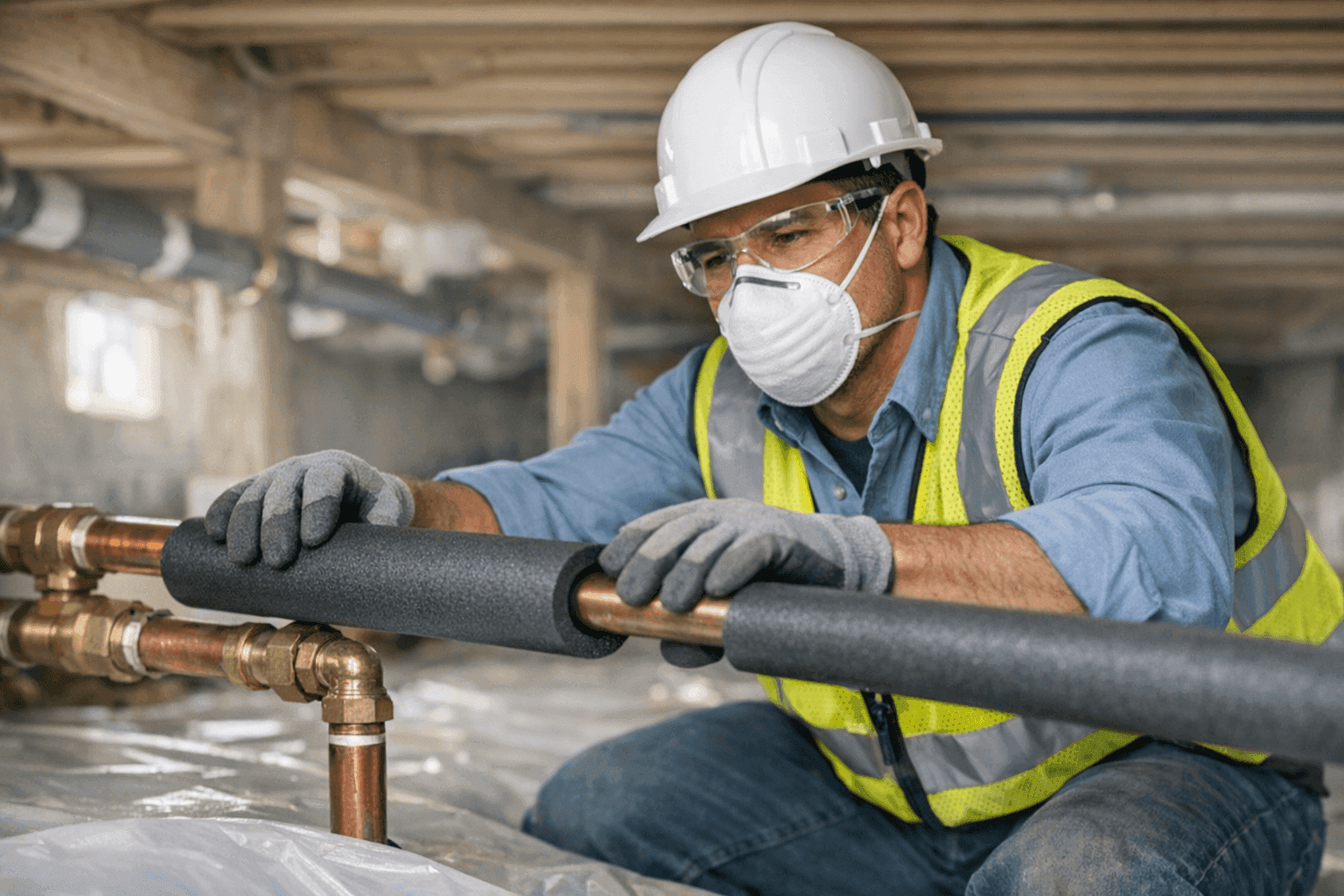
Insulation is your first line of defense. Think of it as a warm blanket for your plumbing.
- Foam Pipe Insulation: Available at any hardware store. Cut to size, snap it on, and tape the seams.
- Fiberglass Wrap: Best for oddly-shaped pipes or tight spaces.
- Heat Tape: An electric solution that gently warms pipes. Only use products approved by safety agencies like UL, and follow manufacturer instructions to the letter.
Pay special attention to pipes in unheated spots. Insulating these areas can make the difference between a peaceful winter and a burst pipe disaster.
Draining Outdoor Lines: Don’t Skip This Step
Outdoor plumbing is especially vulnerable. Hose bibs and sprinkler lines are the first to freeze—and crack.
- Disconnect garden hoses.
- Shut off outdoor water supply valves (usually found in the basement or utility area).
- Open outdoor faucets to let remaining water drain out.
- For irrigation systems, follow your manufacturer’s winterization instructions or call in a pro if you’re unsure.
Best Practices for Winter Plumbing
A little planning goes a long way. Consider these proven strategies:
- Let faucets drip during extreme cold. A slow trickle keeps water moving, making freezing less likely.
- Open cabinet doors under sinks to let warm air reach pipes.
- Seal gaps and cracks around pipes where cold air could sneak in.
- Keep your thermostat steady—don’t set it lower at night.
For more proactive tips, our Preventative Maintenance service covers seasonal checkups and more.
Water Shut-Off: Know Before You Need It
If a pipe does burst, knowing how to shut off your main water valve is crucial. It’s often located in the basement, crawlspace, or near where the water line enters your home.
Practice turning it off before you’re in a panic. Make sure every adult in your household knows where it is. A quick shut-off can minimize water damage.
The Power of Heat Tape: When and How to Use It
Heat tape is like a heated blanket for your pipes. It can be a lifesaver in frigid areas where insulation alone isn’t enough.
- Only use heat tape labeled for plumbing.
- Never overlap the tape or use it on pipes touching flammable materials.
- Plug it into a GFCI outlet for added safety.
If you’re not comfortable installing heat tape, Peters Flo Plumbing can help you get it right.
Signs Your Pipes Are Freezing
Catch problems early by watching for these warning signals:
- Frost on exposed pipes
- Sudden drop in water pressure
- Faucets that only trickle or stop flowing
- Unusual noises (banging, gurgling) from pipes
If you spot these signs, act fast. Open the faucet, apply gentle heat (hair dryer, heating pad—not an open flame), and call a plumber if you suspect a freeze.
Quick Safety Checklist: Winter Plumbing Readiness
Here’s a rapid-fire list you can check off:
- [ ] Insulate exposed pipes
- [ ] Drain outdoor faucets and irrigation lines
- [ ] Test and know your main water shut-off
- [ ] Seal exterior gaps and cracks
- [ ] Set thermostat to at least 55°F, even when away
- [ ] Let faucets drip during deep freezes
DIY vs. Calling a Pro
Some jobs are perfect for a Saturday afternoon. Others need a practiced hand. Insulation and sealing gaps? Most homeowners can handle it. Installing heat tape, repairing burst pipes, or winterizing complex systems? That’s where we come in.
Our Pipe Repair team can quickly fix damage and help fortify your home against the next freeze.
What Pros Do On Arrival
When you call Peters Flo Plumbing, we arrive with the right tools and knowledge. We’ll:
- Locate and isolate the problem area
- Thaw pipes safely (without risking fire or further damage)
- Assess for splits and leaks
- Repair or replace damaged sections
- Advise on future prevention
Emergency Plumbing: When to Act Fast
If you see water leaking or hear a sudden rush behind walls, don’t wait. Shut off your water immediately and call for help. Water damage moves fast and can affect wiring, insulation, and structure.
How Long Does It Take to Fix Frozen or Burst Pipes?
Small freeze-ups may thaw in an hour or two with gentle heat. Burst pipes, on the other hand, often require cutting and replacing sections, which can take several hours depending on access and severity.
Common Mistakes to Avoid
- Ignoring signs of freezing
- Using open flames to thaw pipes (fire hazard)
- Letting your guard down after the first cold snap—late winter can be the worst
Frequently Asked Questions
Can I use pool noodles as insulation?
Yes, in a pinch. Foam pipe covers are better, but pool noodles can help for exposed areas.
Is it safe to leave heat tape plugged in all winter?
If it’s designed for continuous use and installed correctly, yes. Check the manufacturer’s guidelines.
Should I turn off my water if I go on vacation?
Absolutely. Shut off the main and drain faucets to minimize risk.
Timeline & Disruption: What to Expect
Most winterization steps take a few hours, and minimal disruption to your routine. Emergency repairs, however, can involve shutting off water and cutting into walls or ceilings. Planning ahead saves time, money, and mess.
The Cost of Waiting: Why Prevention Pays
Repairing a burst pipe is far more expensive than insulating one. According to the Insurance Information Institute, the average cost of water damage from plumbing issues is in the thousands. Prevention is peace of mind.
For Plumbing Emergencies Near You
If you need urgent help with frozen pipes or any other winter plumbing issue, Peters Flo Plumbing is available for residential Backflow Prevention near you. Our team is ready to handle your toughest challenges.
Final Thoughts: Make Winter Worry-Free
Preparing your plumbing for freezing temperatures isn’t just a chore—it’s a shield for your home. With a little time and know-how, you can keep your pipes flowing and avoid the flood of headaches that come with winter damage.
Call Peters Flo Plumbing now — or reach us anytime at 877-331-9687 .