Plumbing Maintenance Myths: What Really Works (and What Doesn’t)
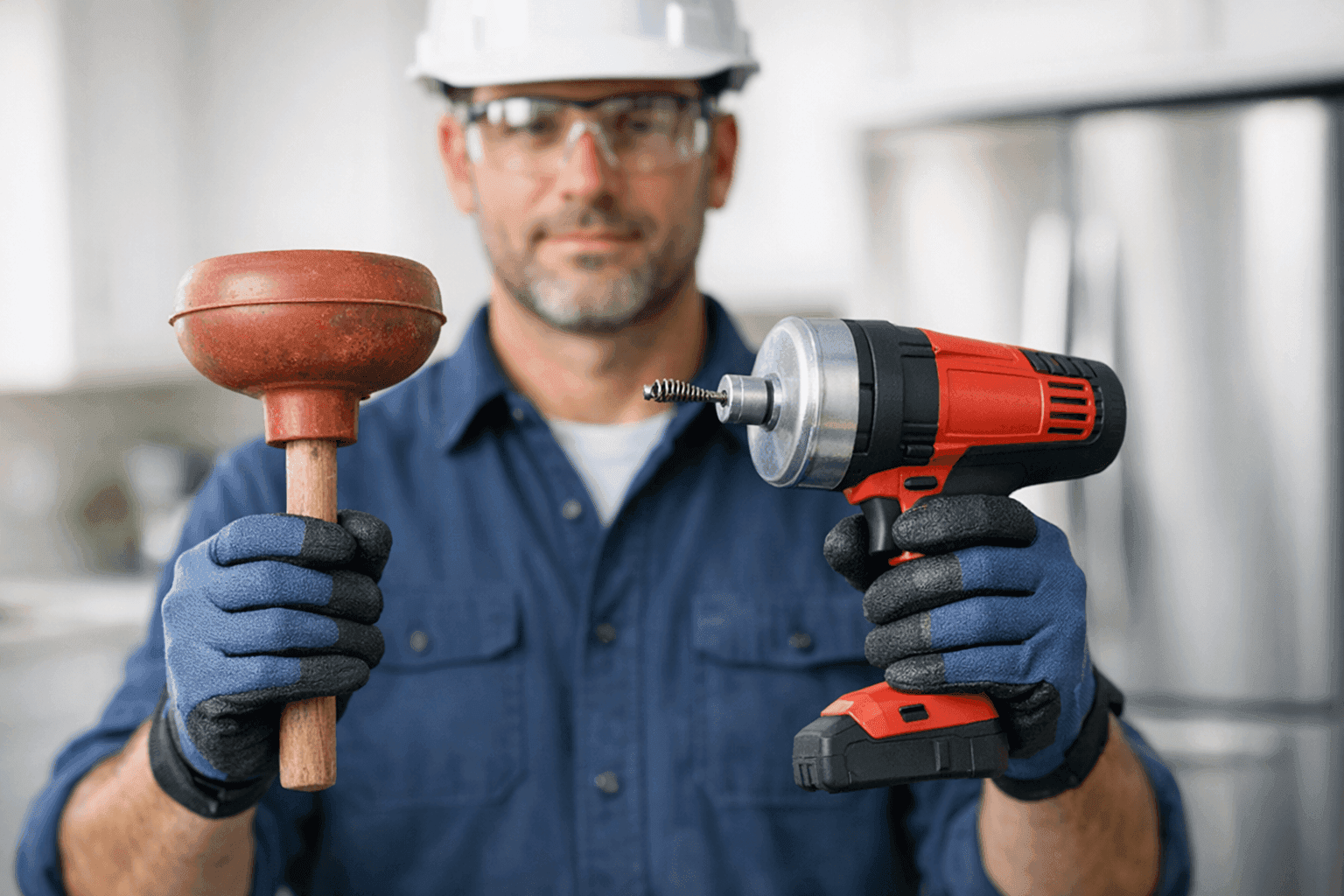
Is your plumbing really as healthy as you think? Most homeowners want to do the right thing, but there’s a sea of outdated tips and downright wrong advice out there. At Peters Flo Plumbing, we’ve seen the good, the bad, and the ugly. We’re here to set the record straight—so you can care for your home with confidence.
Let’s bust some myths, highlight what actually works, and give you the tools to keep your pipes, fixtures, and peace of mind in top shape.
Top Plumbing Maintenance Myths 😮
Not everything you hear about plumbing is true. Some “tricks” can actually cost you more in repairs. Let’s tackle a few common myths:
-
Myth: Pouring chemicals down the drain fixes clogs.
Those bright bottles may seem like a quick fix, but they can eat away at your pipes—especially older ones. According to the International Association of Certified Home Inspectors, harsh chemicals can corrode metal and damage plastic pipe over time. -
Myth: “Flushable” wipes are safe for toilets.
Despite what the label says, most wipes don’t break down like toilet paper. They tangle in pipes and cause blockages—sometimes leading to messy, expensive repairs. -
Myth: A small leak isn’t urgent.
Even a slow drip can waste hundreds of gallons, spike your bill, and cause hidden water damage or mold. -
Myth: Garbage disposals handle anything.
Potato peels, coffee grounds, grease—these can all clog your disposal and drain lines. -
Myth: Plumbing maintenance is only needed when something breaks.
Waiting for a problem is like skipping oil changes for your car. Small issues can turn into big headaches fast.
What the Pros Say
Licensed plumbers don’t rely on old wives’ tales. We use proven methods, guided by building codes and safety standards from organizations like the National Association of Plumbing-Heating-Cooling Contractors (PHCC).
Here’s what actually works for healthy plumbing:
- Scheduled maintenance: Regular inspections and timely drain cleaning keep your system flowing.
- Backflow Prevention near you: Routine backflow testing keeps your water safe from contamination.
- Proper fixture use: Only flush waste and toilet paper. Keep fats, oils, and stringy foods out of the disposal.
- Quick leak repairs: Address small drips and running toilets right away to prevent major water damage.
Effective Maintenance Tips You Can Count On
Want to make your plumbing last? Use these practical, evidence-backed habits:
- Use a drain screen in sinks and tubs to catch hair and debris.
- Run hot water after each use of the kitchen sink to help clear out grease.
- Test your sump pump each season by pouring water into the pit to make sure it kicks on.
- Check for leaks under sinks and around toilets monthly.
- Insulate exposed pipes before winter to prevent freezing and bursts.
- Schedule annual inspections for your water heater and backflow devices.
These simple steps can save you from emergency headaches—and stretch the life of your plumbing.
When to Trust DIY Advice (and When to Call Us) 🛠️
You can handle some maintenance tasks yourself. Swapping out a faucet washer or plunging a toilet? Go for it. But use caution:
DIY is fine for:
- Cleaning out simple drain traps
- Replacing showerheads or aerators
- Tightening supply line connections (but don’t overtighten!)
Call a pro for:
- Persistent clogs that don’t clear with a plunger
- Water heater issues (they involve gas or electrical risks)
- Sewer line backups or strange smells
- Gas line work (always a job for licensed plumbers)
For bigger jobs or anything involving gas, always call a licensed technician. Injuries and code violations are not worth the risk.
Building a Maintenance Habit
Think of plumbing care like brushing your teeth. Small, regular steps matter more than waiting for disaster. Here’s how to stay on track:
- Set reminders for seasonal checkups—spring and fall are great times.
- Keep a maintenance log of repairs and upgrades.
- Learn the signs of trouble: slow drains, gurgling toilets, wet spots on walls or ceilings.
- Don’t ignore strange sounds—banging pipes or whistling faucets are waving red flags.
If you’d like a full system checkup, our Preventative Maintenance service offers peace of mind for homeowners.
The Truth About Chemical Drain Cleaners
It’s tempting to reach for that bottle when water won’t go down. But chemical drain cleaners can do more harm than good. The U.S. Environmental Protection Agency recommends mechanical methods—like plungers or drain snakes—over chemicals for clearing clogs.
For stubborn blockages, professional Drain Cleaning is safer and more effective. We use tools that clear tough clogs without harming your pipes.
“Flushable” Wipes: Why They’re Not
Despite clever marketing, most “flushable” wipes don’t break down in water like toilet paper. The result? They clump together, snag on roots or rough pipe edges, and create blockages. The National Association of Clean Water Agencies has even issued statements warning against flushing wipes of any kind.
Stick to toilet paper. Toss wipes in the trash.
Signs Your Plumbing Needs Attention 🚩
Be aware of the warning signs. If you notice any of these, it’s time to act:
- Water pooling where it shouldn’t
- Unexplained increases in your water bill
- Slow drains or frequent backups
- Sewage smells in the home
- Discolored water or low pressure
Don’t wait for a small issue to turn into a disaster. Early action saves money and stress.
Seasonal Plumbing Checklist
Each season brings its own plumbing challenges. Some quick reminders:
Spring/Summer
- Check for leaks after winter thaw
- Inspect hoses and outdoor spigots
- Test your sump pump before heavy rains
Fall/Winter
- Insulate exposed pipes
- Disconnect outdoor hoses
- Know how to shut off your main water valve in case of a freeze
FAQs: Clearing Up More Myths
Q: Is it okay to use vinegar and baking soda for cleaning drains?
A: For mild buildup, yes. But don’t expect it to fix major clogs or break up grease.
Q: Does a noisy water heater mean it’s broken?
A: Not always. It might just need flushing to remove sediment.
Q: If my water pressure drops, is it a sign of a leak?
A: Sometimes, but it could also be mineral buildup or a pressure regulator issue. Have it checked.
Plumbing Maintenance and Your Home Value
Good plumbing keeps your home comfortable—and protects its value. Real estate agents and home inspectors agree: up-to-date, well-maintained pipes and fixtures are a big plus when it comes time to sell.
When It’s an Emergency (And What to Do Next) 🚨
Some problems just can’t wait. Burst pipe? Sewage backup? Shut off your main water valve and call us right away. Fast action minimizes damage and keeps your family safe.
If you’re searching for a reliable plumber for leak detection, pipe repair, or Backflow Prevention near you, our team is ready—day or night.
Local Plumbing Pros for Concord, NH and Beyond
Need a trusted plumber for urgent or routine plumbing services in Concord, NH? Our team handles everything from leak repair to fixture upgrades with care.
Your Next Step to Safer, Smarter Plumbing
Ready to ditch the myths and protect your home? Peters Flo Plumbing is here to help with honest advice, proven solutions, and a full range of maintenance and repair services.
Call Peters Flo Plumbing now — or reach us anytime at 877-331-9687 .