Plumbing for First-Time Homeowners: What to Know
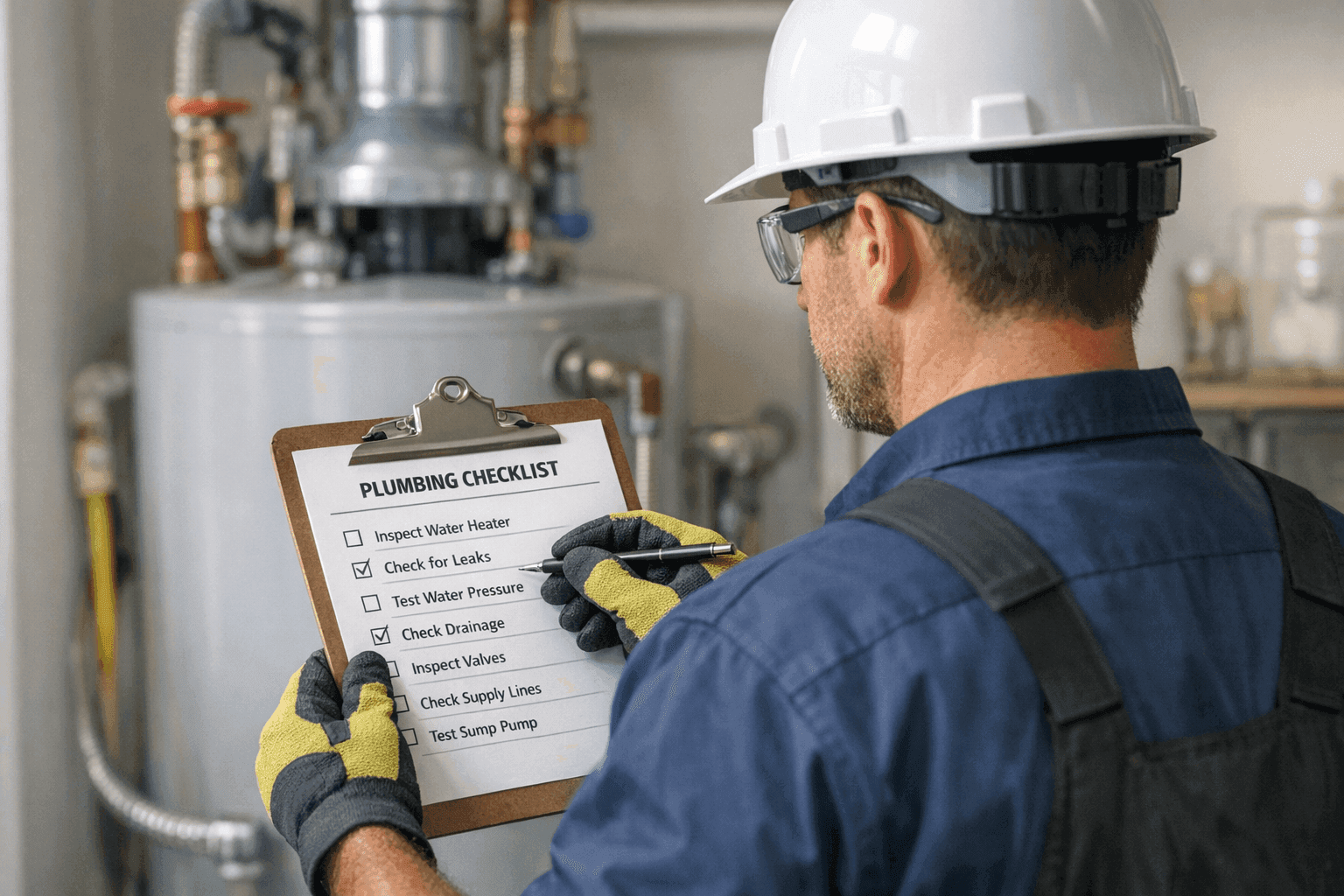
Buying your first home is a milestone. It’s exciting, a little overwhelming, and full of new responsibilities. One of the biggest is understanding how your plumbing works. At Peters Flo Plumbing, we know every pipe, valve, and tap in your home matters. Let’s walk through the essential plumbing basics every first-time homeowner should know—so you can avoid surprises, save money, and feel in control.
Whether you’ve just moved in or are about to get the keys, this guide will help you spot issues early, tackle simple fixes, and know exactly when to call in the pros.
Plumbing System Overview: The Heartbeat of Your Home 🏡
Think of your home’s plumbing like the veins and arteries in your body. Pipes deliver fresh water in, carry waste out, and keep everything flowing. Most residential plumbing has three core parts:
- Water supply lines: Bring in clean water for drinking, bathing, and cleaning.
- Drain-waste-vent (DWV) system: Removes wastewater and prevents sewer gases from sneaking inside.
- Fixtures and appliances: Sinks, toilets, water heaters, and more.
Hidden behind walls and under floors, these systems quietly work together—until they don’t.
Shutoff Valves: Your Plumbing Safety Switch
The first thing every homeowner should know? Where the main water shutoff valve is. If a pipe bursts or a leak springs up, this valve is your best friend. It usually lives:
- In the basement near the water meter
- Along an exterior wall
- Sometimes in a crawl space or utility closet
Practice turning it off and on before there’s an emergency. For gas-powered appliances, also locate the gas shutoff valve.
Key Maintenance Tasks: Keep Problems at Bay
Just like a car needs oil changes, your plumbing needs regular attention. Start with:
- Monthly visual checks: Look under sinks and around toilets for drips or dampness.
- Test water pressure: High pressure can stress pipes; if faucets spray wildly, ask a plumber to inspect.
- Drain cleaning: Avoid harsh chemicals. Use a drain snake or call for Drain Cleaning if water backs up.
- Water heater inspection: Drain a bucket of water from the heater once a year to flush out sediment.
For first-timers, the Environmental Protection Agency (EPA) recommends checking for leaks monthly—small drips can waste thousands of gallons per year.
Backflow Prevention: Protecting Your Water
Backflow happens when dirty water reverses direction and contaminates your clean supply. Devices and service for Backflow Prevention are critical, especially if you have irrigation, pools, or fire sprinklers. Local codes often require annual backflow testing—don’t skip it.
Routine Checks & Troubleshooting: Stay Ahead of the Game
Create a habit of running through this simple checklist:
- Check for leaks: Under sinks, behind toilets, and around appliances.
- Inspect hoses: Washing machine and dishwasher hoses crack with age.
- Flush infrequently used drains: Pour water down rarely-used sinks and tubs to keep traps full.
- Look for signs of slow drains: Gurgling sounds or water pooling could signal a clog.
Unclogging small blockages with a plunger or hand auger is usually safe for homeowners. If water won’t budge, or the toilet overflows repeatedly, it’s time for professional support.
Emergency Preparedness: Don’t Panic, Be Ready 🚨
Plumbing emergencies aren’t just for bad luck—they’re for anyone unprepared. A burst pipe, sewer backup, or gas leak can happen in the blink of an eye. Here’s your quick-action plan:
- Shut off the main water valve immediately.
- Turn off gas appliances if you suspect a leak (and evacuate if you smell gas).
- Move valuables away from affected areas to prevent water damage.
- Call a licensed plumber for rapid help.
Keep a basic kit handy: plunger, pipe wrench, towels, and a bucket. The American Red Cross recommends knowing your home’s layout—including all shutoff points—in advance.
DIY vs. Calling a Pro: Where to Draw the Line
Some plumbing fixes are a Saturday project. Others are a recipe for disaster if you go it alone. Safe for DIY:
- Replacing faucet washers or shower heads
- Unclogging simple blockages
- Resetting a garbage disposal
Call Peters Flo Plumbing if you encounter:
- Water stains on ceilings or walls
- Persistent leaks or running toilets
- No hot water or water heater issues
- Suspected gas leaks or strange odors
Remember, tackling a major job without the right experience can cause more harm (and cost) than calling in help early.
When to Call a Pro: Signs and Scenarios
Don’t ignore these red flags:
- Water pressure suddenly drops throughout your home
- Discolored water from taps
- Soggy patches in the yard (could mean a leaking sewer or water line)
- Unexplained spikes in your water bill
Many of these issues can indicate hidden leaks, failing pipes, or a need for Pipe Repair. Licensed plumbers use specialized tools—like leak detectors and drain cameras—to spot problems fast.
What to Expect When a Plumber Arrives
Wondering what happens when you call for help? A professional will:
- Assess the situation and explain your options
- Use code-compliant practices (per the International Plumbing Code and local regulations)
- Minimize disruption to your home
- Clean up the workspace before leaving
Always ask for a written estimate up front and make sure your plumber is licensed and insured.
Costs & Time Factors: Budgeting and Planning
Plumbing costs can range from a quick fix to a major investment. Typical factors:
- Job size: Small leak vs. whole-house repiping
- Parts needed: Some fixtures or pipes take time to order
- Access: Hard-to-reach areas may require more labor
Routine tasks like faucet repair are quick; bigger jobs like water heater replacement or Repiping can take a day or more.
Common Mistakes First-Time Homeowners Make
- Ignoring minor leaks (“It’s just a drip!”) until they cause water damage
- Flushing wipes or grease down the drain
- Skipping annual plumbing checkups
- Not testing the sump pump before rainy season
Stay alert—catching small problems early means less stress and lower bills in the long run.
Seasonal Plumbing Tips: Weatherproof Your Home 🌦️
Each season brings new plumbing challenges:
- Winter: Insulate pipes in unheated areas to prevent freezing. Detach hoses outside.
- Spring: Check sump pumps and clear outdoor drains.
- Summer: Inspect sprinklers and outdoor faucets for leaks.
- Fall: Test water heater and inspect gutters/downspouts.
The Insurance Institute for Business & Home Safety (IBHS) recommends regular seasonal prep to cut your risk of water damage.
Water Quality and Filtration: Don’t Overlook What You Can’t See
Clean water isn’t guaranteed everywhere. If your water smells, tastes odd, or leaves stains, consider a Water Filtration System. Some systems remove minerals, chlorine, or contaminants—ask about the right fit for your home.
Bathroom and Kitchen Plumbing: High-Traffic Trouble Spots
Bathrooms and kitchens see the most action—and the most issues. Look out for:
- Slow-draining sinks
- Dripping faucets
- Leaky toilet bases
Sometimes a simple repair does the trick. If not, our team offers Bathroom Plumbing and Kitchen Plumbing solutions.
Toilet Troubles: The Plunger Can’t Fix Everything 🚽
A clogged toilet is no fun. Use a plunger first, but if it keeps happening, you could have deeper issues like a blocked sewer line. Avoid chemical drain cleaners—they can damage pipes. Persistent toilet problems often need professional attention.
Understanding Your Home’s Plumbing Materials
Older homes may have galvanized steel or cast iron pipes prone to corrosion. Newer builds usually feature copper, PEX, or PVC. Knowing what’s in your walls helps plan upgrades and maintenance.
Have questions about your home’s plumbing materials? Ask your plumber for a quick walkthrough during your next visit.
FAQ: First-Time Homeowner Plumbing Questions
How often should I check for leaks?
At least once a month, focusing on high-traffic areas like kitchens and bathrooms.
When should I replace hoses and washers?
Every 5–7 years for washing machine and dishwasher hoses; sooner if you see cracks or bulges.
What’s the best way to prevent clogs?
Keep hair, grease, and non-flushables out of drains. Use mesh screens where possible.
Who do I call for Backflow Prevention near you?
Look for a licensed plumber with specific experience in backflow devices and local code requirements.
Local Plumbing Support for New Homeowners
If you’re searching for a reliable plumber for your home, see why so many choose us for residential plumbing services in Lincoln in our local service area.
Final Thoughts: Confidence in Every Drop
Being a first-time homeowner is a learning curve. With a little knowledge and the right support, you can keep your plumbing in great shape, avoid costly surprises, and enjoy peace of mind.
Call Peters Flo Plumbing now — or reach us anytime at 877-331-9687 .