What to Do in a Plumbing Emergency: Step-by-Step Guide
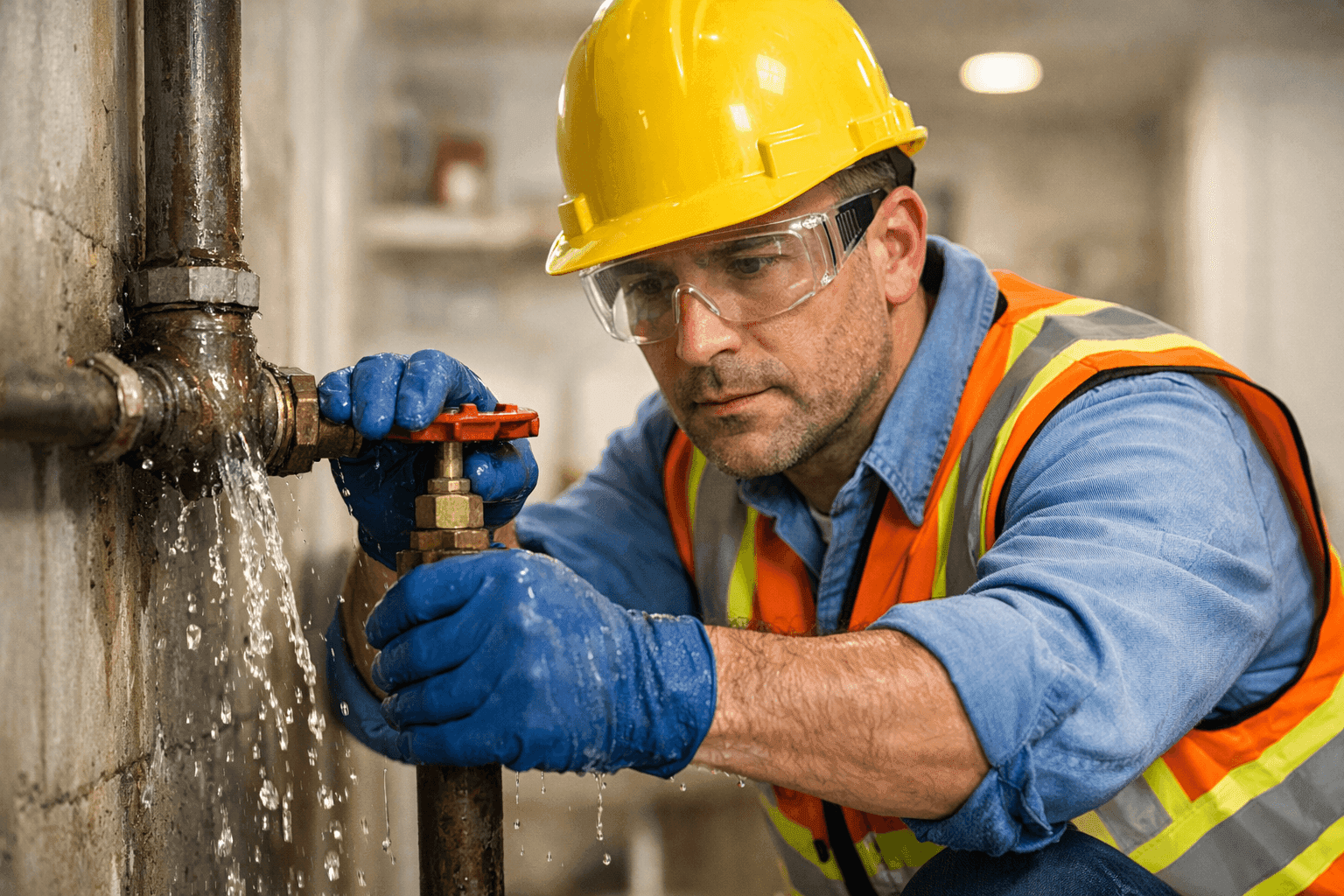
When water is gushing, your heart pounds. Maybe it’s a burst pipe, an overflowing toilet, or the smell of gas in the air. In these moments, every second counts. You’re not alone—plumbing emergencies happen in every home, and it can feel overwhelming.
At Peters Flo Plumbing, we know how stressful these situations are. We’ve responded to hundreds of urgent calls, helping homeowners stay calm and get their homes back in order. Here’s what you need to know, step by step.
Most Common Plumbing Emergencies 🚨
Some plumbing problems can wait. Others can’t. Here are the issues we see most often:
- Burst pipes: Sudden temperature drops, old pipes, or pressure spikes can split a pipe wide open.
- Severe leaks: Water spreading across floors, walls, or ceilings.
- Clogged or overflowing toilets: Not just inconvenient—risk of contamination, especially if it’s the only one in the house.
- Sewer backups: Bad smells, slow drains, and sometimes waste coming up where it shouldn’t.
- No hot water: A cold shower is tough, but if your water heater is leaking, it’s a bigger deal.
- Gas line leaks: Smelling rotten eggs or hearing a hissing sound near your gas line? That’s an emergency.
- Sump pump failure: Especially during storms, a broken sump pump can mean a flooded basement.
If you’re seeing any of these, act fast.
Immediate Steps to Take
Panic is natural, but action is key. Here’s what to do when a plumbing emergency strikes:
- Stop the water. Find the main water shutoff valve and turn it off. This simple move can save thousands in damage.
- Turn off electricity if water is near outlets or electrical panels. Safety first.
- Contain the water. Use towels, buckets, and whatever you have to limit the spread.
- Don’t use fixtures. Toilets, sinks, or appliances connected to the broken line should stay off.
- Open windows if you smell gas. Ventilate the area and get everyone outside.
- Call for help. Once things are stable, contact a professional for emergency plumbing support.
How to Shut Off Water & Gas
Every homeowner should know these steps—think of them as your fire drill for plumbing.
Water Shutoff
- Locate the main valve. Usually found where the water line enters your home—often in the basement, crawlspace, garage, or near the water heater.
- Turn clockwise (righty-tighty). It may be a round wheel or lever. If it’s stuck, don’t use brute force—wait for a pro.
- Shut off appliance valves for toilets, sinks, or washing machines if the problem is isolated.
Gas Shutoff
- Know where your gas meter is. Outside, sometimes in a basement.
- Use a wrench to turn the valve perpendicular to the pipe—this stops gas flow. Never attempt a repair yourself.
- Leave the house if you suspect a leak. Call your utility company or the fire department from a safe distance.
For more, check the National Fire Protection Association’s gas safety guidelines. Safety always comes first.
When to Call for Help (and What to Expect)
Not every drip needs a pro. But if you’ve lost water, see active flooding, smell gas, or face sewer backup—call right away.
When the Peters Flo Plumbing team arrives, here’s what we do:
- Assess the scene. We check for active leaks, water damage, and safety hazards.
- Isolate the problem. Using specialized tools, we trace leaks and check pipes behind walls.
- Stop the immediate threat. Temporary repairs might be made to stem the flow and prevent further damage.
- Explain the next steps. We’ll walk you through what’s needed—whether it’s a leak repair, pipe replacement, or cleanup.
- Restore and repair. Once safe, we get things back to normal so you can breathe easy.
How to Prevent Recurrence
No one wants a repeat performance. Here’s how to keep plumbing emergencies rare:
- Routine inspections. Schedule annual plumbing checks, especially for older homes.
- Upgrade aging pipes. If your home still has steel or polybutylene pipes, consider pipe repair or repiping.
- Insulate pipes. Prevent winter freezes with simple foam sleeves from your hardware store.
- Install backflow prevention near you to protect against contaminated water.
- Check water pressure. High pressure strains pipes—install a regulator if needed.
- Know your system. Learn where shutoffs are, and keep a wrench handy.
For more prevention tips, the International Association of Plumbing and Mechanical Officials (IAPMO) offers residential best practices.
Quick Safety Checklist ✅
- Is everyone safe and out of harm’s way?
- Is the main water or gas shut off?
- Is electricity off in affected areas?
- Are valuables or electronics moved away from water?
- Have you called for professional help?
DIY or Call a Pro?
Some leaks are like slow drips from a leaky faucet. Others are a waterfall in your living room. If you’re not sure, err on the side of caution.
- DIY: Minor clogs, tightening a loose fitting, replacing a washer.
- Call a pro: Burst pipes, sewage backup, water heater leaks, gas smells.
What Professionals Do on Arrival
Imagine us stepping into your home. First thing: we listen. You know your space best. We ask questions, look for signs, and follow the water (or gas) to its source.
We use moisture meters, infrared cameras, and years of experience to find hidden leaks. We’ll explain what went wrong and offer clear, simple options for repair.
If cleanup is needed, we help get things dry and safe. No jargon—just practical solutions.
Preventative Maintenance for Peace of Mind
Just like oil changes for your car, your plumbing needs care. Schedule regular checkups, flush your water heater yearly, and don’t ignore slow drains.
A little attention now can prevent chaos later.
Costs & Time Factors
Emergencies are never convenient. Some fixes are quick—a tightened fitting or a replaced valve. Others, like pipe bursts behind walls, can take longer and need more materials.
Repair costs depend on the problem, access, and parts. We always discuss options before starting work. For peace of mind, keep your insurance info handy and document damage with photos.
When It’s an Emergency (and When It’s Not)
- Emergency: Active flooding, sewage backup, no water, gas leaks, water heater leaking.
- Not an emergency: Slow drain, dripping faucet, low water pressure (unless sudden).
Still not sure? If in doubt, it’s safest to call.
Common Mistakes to Avoid
- Ignoring the shutoff valve. Every minute counts in a flood.
- Using chemical drain cleaners. They can damage pipes and worsen clogs.
- Trying to fix gas lines yourself. Always call a licensed professional.
- Waiting too long. Small drips can become big repairs.
Signs of Trouble Before Disaster Strikes
- Gurgling drains.
- Sudden drops in pressure.
- Water stains on walls or ceilings.
- Unexplained wet spots in the yard.
- Rusty or discolored water.
Spot these early? Act before it’s urgent.
Timeline & Disruption: What to Expect
Most plumbing emergencies can be contained in hours, but repairs and drying may take longer. Expect some noise, water shutoffs, and possibly moving furniture or rugs out of harm’s way.
We work quickly and neatly, always respecting your home.
Seasonal Considerations
Winter can freeze pipes. Summer storms can flood basements. Before seasons change, check insulation, clean gutters, and test your sump pump.
Materials and Equipment Pros Bring
We come ready—with pipe cutters, leak detectors, pumps, and safety gear. Our vans are stocked for almost any repair, so you’re not left waiting for parts.
FAQ: Plumbing Emergencies
Q: How do I find my main shutoff valve?
A: Look near where the water line enters your home—often in the basement or garage.
Q: What’s the first thing to do if I smell gas?
A: Leave immediately, ventilate if safe, and call your gas company or fire department.
Q: Can I use duct tape for a burst pipe?
A: It’s a temporary fix at best—get professional help as soon as possible.
For more answers or fast help, check our emergency plumbing service.
Prepare Before Trouble Hits
Take five minutes this week—locate your shutoff valves, review your insurance, and save our number. Better to have it and not need it than the other way around.
For anyone searching for reliable plumbing advice or urgent help, we’re here for you. If you need a seasoned team for quick leak repairs, pipe fixes, or any home plumbing emergency, Peters Flo Plumbing is ready.
For the best plumbing solutions near you—including Backflow Prevention near you—reach out today.
Call Peters Flo Plumbing now — or reach us anytime at 877-331-9687 .