Plumbing Code Basics Every Homeowner Should Know
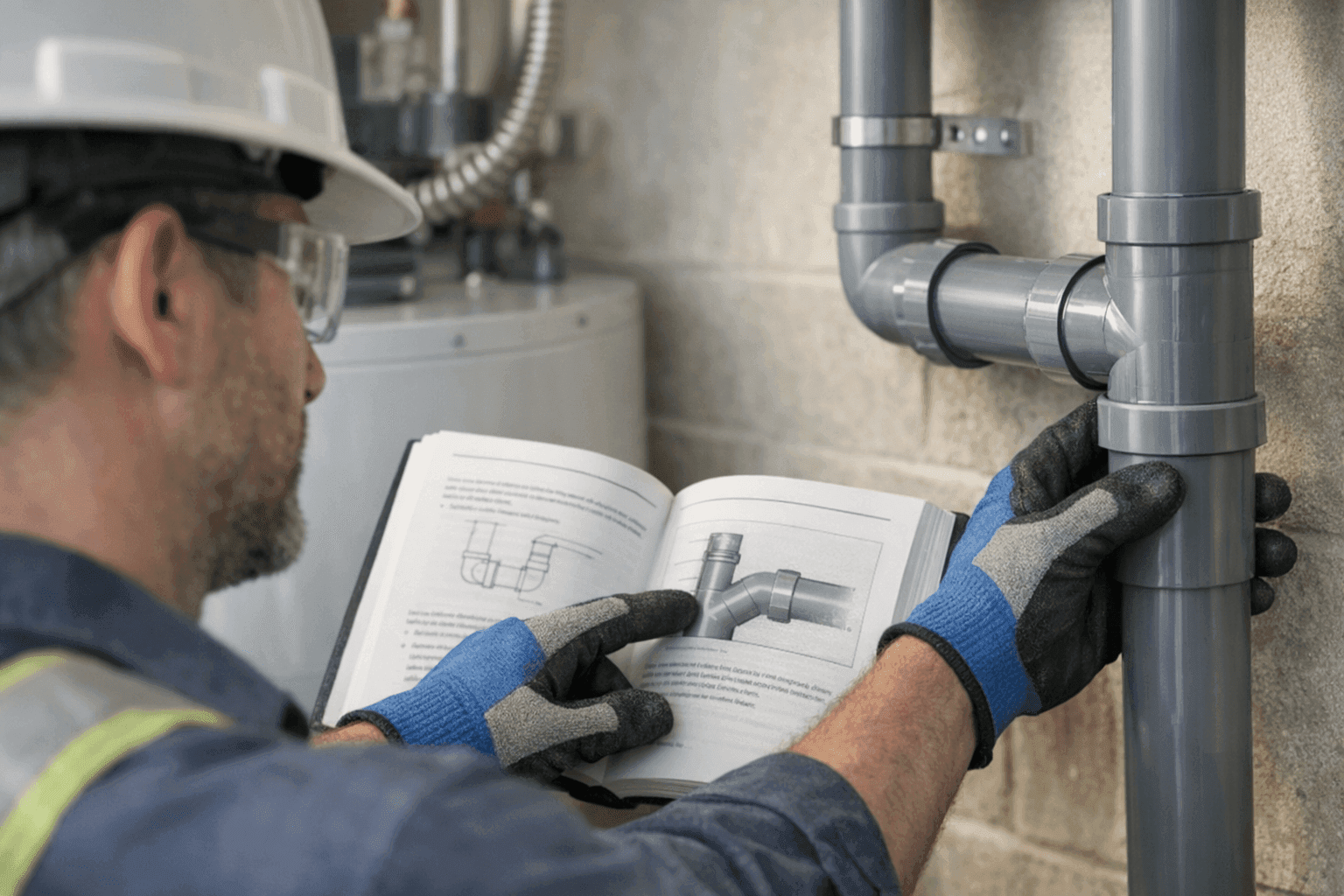
Owning a home means juggling a lot—leaks, odd noises, and sometimes, big plumbing projects. But one thing that sneaks up on many homeowners? Plumbing code. It isn’t just a set of rules; it’s the secret language keeping your pipes—and your home—safe.
Ignoring plumbing code is like driving without headlights at night. You might get lucky for a while, but one mistake can turn costly fast. At Peters Flo Plumbing, we’ve seen what happens when codes are missed. Let’s break down what every homeowner should know—before the inspector knocks or disaster strikes.
Why Plumbing Codes Matter 🛠
Plumbing codes are written for one reason: safety. They exist to protect your family, your neighbors, and even your wallet. Think of them as the bones in your house’s body. If one breaks, the rest suffers.
- Preventing water contamination: Cross-connections, like a garden hose submerged in a pool, can let dangerous water back into your drinking supply. Backflow Prevention near you will often be required by code.
- Stopping leaks and mold: Bad installations can mean slow leaks, leading to major structural damage or hidden health hazards.
- Fire and gas safety: Gas line installation requires strict code compliance to prevent deadly leaks or explosions.
- Insurance and resale: Non-compliant plumbing can void insurance claims and tank your home’s resale value.
The International Plumbing Code (IPC) and Uniform Plumbing Code (UPC) are standard guides used across the U.S., though each city and state may have their own tweaks. Always check your local municipality’s requirements.
Most Common Plumbing Code Violations
Even the handiest homeowners can run afoul of codes. Here are the slip-ups we see again and again:
- Improper pipe slope: Drains need a specific slope so wastewater flows out—not back in.
- Missing or broken air gaps: Dishwashers and sinks need air gaps to prevent dirty water from backing up into clean lines.
- Unpermitted water heater installation: Codes dictate where water heaters can go, how they vent, and even seismic strapping.
- Backflow prevention devices omitted: Required for irrigation systems and some appliances.
- Illegal pipe materials: Not all pipes are safe for drinking water. Using the wrong type is a big red flag for inspectors.
One wrong move, and you could be facing a failed inspection or a plumbing emergency.
Permits and Inspections: What to Expect
Permits aren’t just paperwork—they’re protection. They ensure work is done right, to code, and checked by someone with no horse in the race. Here’s how it works:
- Apply before work begins: Most major plumbing jobs (like pipe installation) require a permit. Don’t skip this step.
- Inspections at key stages: Inspectors check the work before walls are closed or fixtures connected, and sometimes after the job is done.
- Corrections: If something’s off, you’ll get a list of fixes. Complete them promptly to avoid reinspection fees.
Skipping permits might seem quicker, but it’s like building a sandcastle at low tide—it doesn’t last.
Code-Compliant Upgrades for Peace of Mind
Planning a bathroom remodel? New water heater? Even swapping out a sink faucet? Upgrades are the perfect time to get things up to code.
- Upgrade supply lines: Replace old, corroded pipes with approved materials like copper or PEX.
- Add shutoff valves: Modern codes require accessible shutoffs for toilets, sinks, and appliances.
- Install backflow preventers: Especially for irrigation and certain fixtures.
- Vent properly: New fixtures often need updated venting to prevent sewer gas inside the home.
If you’re unsure where to start, our preventative maintenance service can help you spot trouble before it grows.
Working with Pros: What to Expect
When you hire a licensed plumber, you’re not only paying for tools and labor. You’re benefiting from years spent learning codes and local quirks. Here’s what a pro brings to the table:
- Code knowledge: Every cut and connection meets current standards.
- Problem-solving: If your home’s older, retrofitting to code can get tricky. Pros know the workarounds that pass inspection.
- Proper permits: Reputable plumbers pull permits and schedule inspections on your behalf.
- Safety first: We spot hazards—like old gas lines or missing backflow devices—that DIYers often miss.
Quick Safety Checklist for Homeowners 📝
Not sure if your plumbing’s up to snuff? Here’s a fast, code-aware checklist:
- Do all your fixtures have accessible shutoff valves?
- Are there any signs of corrosion or leaks around pipes?
- Has your water heater been inspected or replaced in the past 10 years?
- Do you have backflow prevention on your irrigation or pool supply?
- Are your drains moving slowly, or do they gurgle?
If you checked “no” or “not sure” on any, it’s time to get things looked at.
DIY or Call a Pro? Knowing When to Step Back
Some fixes are safe for the average homeowner—like unclogging a drain or swapping out a faucet washer. But when it comes to anything involving gas lines, sewer connections, or major pipe installation, code compliance is crucial. One missed step could mean fines or danger.
If you’re tackling a project and start feeling out of your depth, it’s smart (and safe) to call for backup.
What Pros Do When They Arrive
When Peters Flo Plumbing shows up, here’s what happens:
- Initial assessment: We look for code violations and signs of past DIY work.
- Diagnosis: Pinpoint leaks, pressure issues, or unsafe materials.
- Plan: Lay out repairs or upgrades that meet current codes.
- Execution: Complete the job, schedule inspections if required, and walk you through any changes.
No shortcuts, no guesswork—just clear, code-compliant solutions.
Prevention & Maintenance: The “Secret Sauce”
Regular attention keeps code violations at bay. Like brushing your teeth to avoid cavities, preventative maintenance makes sure little issues don’t become big code headaches.
- Annual inspections: Catch leaks, corrosion, or outdated fixtures before they fail.
- Backflow testing: Required in many areas, especially after new installations or repairs.
- Flush water heaters: Removes sediment and keeps appliances efficient and safe.
- Check for gas leaks: Especially important after seismic events or renovations.
Costs & Time Factors: What to Budget For
- Permits: Usually a few hundred dollars, depending on project size.
- Inspections: Often included with permits, but reinspection fees can add up if work isn’t right.
- Code upgrades: Can range from minor (swapping a valve) to major (repiping).
- Time: Most jobs take longer if permits and inspections are required. Build in extra days for the approval process.
When It’s an Emergency
Some plumbing code violations become urgent fast—like a sewer backup, gas leak, or burst pipe. If you notice:
- Strange smells (gas or sewage)
- Water pooling unexpectedly
- Sudden loss of water pressure
Don’t wait. Call for emergency plumbing help immediately.
Seasonal Considerations: Codes and the Weather 🌦
Cold snaps can freeze pipes. Heavy rains can reveal poor drainage. Some codes require extra insulation or special sump pump setups based on climate. Before winter or storm season, have your plumbing checked for compliance and readiness.
Common Mistakes Homeowners Make
- Covering up access panels: Code requires access to shutoffs and cleanouts.
- Using non-code fixtures: Not all cool online finds are legal.
- Ignoring venting: Every drain needs proper venting; otherwise, you’ll get sewer smells or slow drains.
Signs of Trouble: Don’t Ignore These Red Flags
- Persistent sewer odors in the house
- Water stains on ceilings or walls
- Bubbling paint near pipes
- Rusty water or odd taste
These often mean hidden code issues—and bigger problems if left unchecked.
Timeline & Disruption: How Long Will Repairs Take?
Most code-related repairs take a day or two, but factor in time for permits and inspections. Major jobs—like repiping or sewer line installation—can span a week or more. A good plumber will outline the timeline up front, so you’re not left in limbo.
Materials & Equipment: What Codes Require
- Approved piping: Copper, PEX, or CPVC for most water lines.
- Proper venting: For all fixtures.
- Seismic straps: For water heaters in earthquake-prone areas.
- Backflow preventers: Especially on irrigation, boilers, and some appliance hookups.
Only use materials stamped or labeled for potable water and approved by your local code authority.
FAQ: Your Top Plumbing Code Questions Answered
Do I really need a permit for small jobs?
If it involves pipes inside walls, gas lines, or sewer connections, usually yes.
Can I pass inspection if my home is older?
Older homes may be “grandfathered in,” but new work must meet current code.
What’s the risk of skipping code compliance?
Fines, failed sales, denied insurance, and—worst—major safety hazards.
Find Reliable Plumbing Code Help Near You
If you’re searching for a licensed plumber for Backflow Prevention near you, or you need help passing a plumbing inspection, Peters Flo Plumbing is ready to help. For residents in Middle Tennessee, check out our Hendersonville plumbing services for reliable, code-ready solutions.
Plumbing codes aren’t meant to trip you up—they’re there to keep your home safe and sound. If you have questions, need an inspection, or want a second opinion, we’re here to help.
Call Peters Flo Plumbing now — or reach us anytime at 877-331-9687 .