Pipe Repair: Temporary Fixes and Permanent Solutions
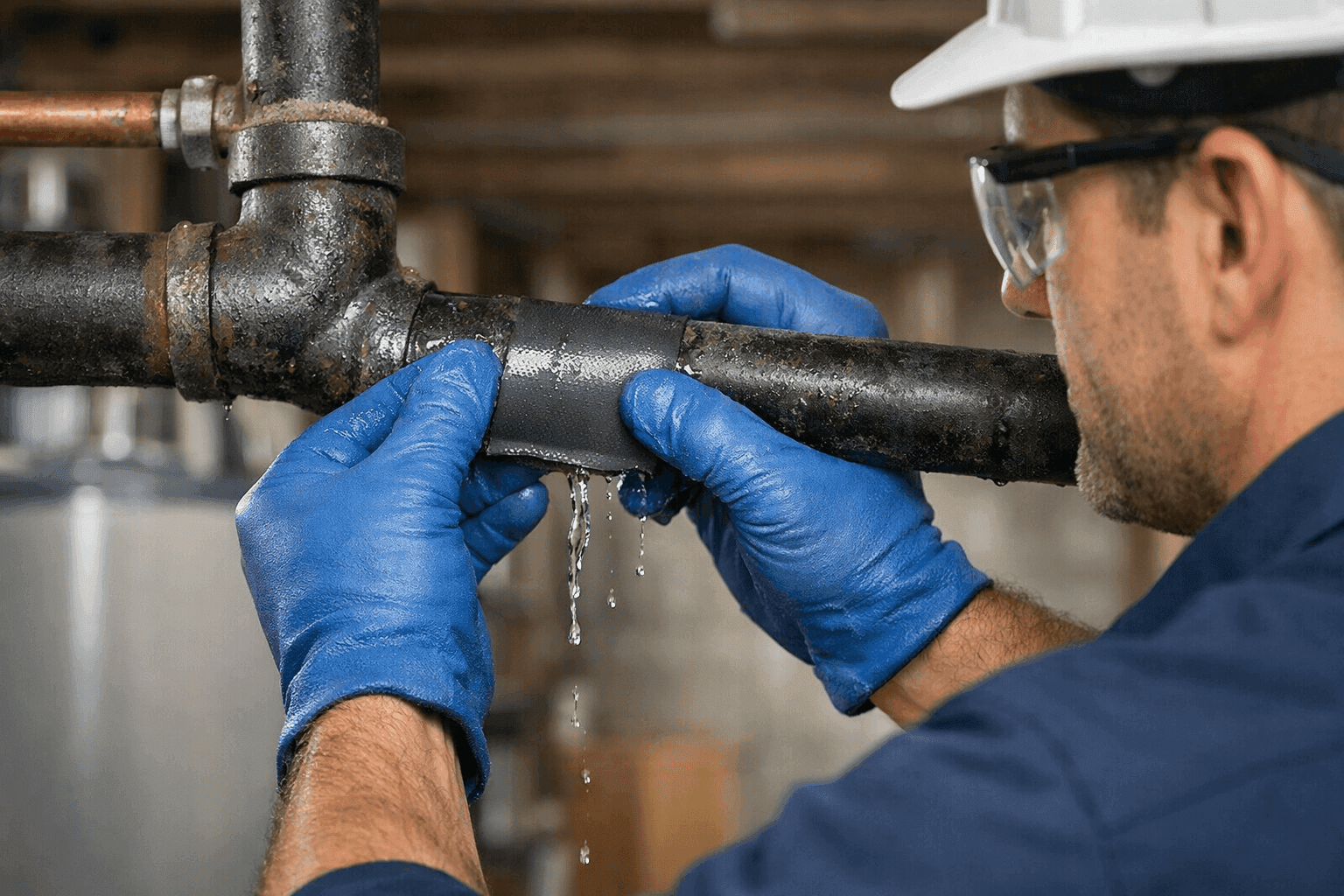
Every homeowner dreads the sound of dripping water behind a wall. Even a tiny leak can mean big trouble. Water damage, stress, and the scramble to find help—pipe problems demand attention, fast.
At Peters Flo Plumbing, we've seen pipes burst at midnight and slow leaks quietly erode a family’s peace of mind. Let’s talk about what you can do right now, what should wait for a pro, and how to keep your plumbing strong for years to come.
Common Pipe Problems 🚰
Pipes are like the veins of your home. When they’re healthy, everything flows. But when trouble strikes, it can pop up in many ways:
- Leaks: From pinhole drips to major gushers, leaks are the most common call.
- Burst pipes: Sudden temperature swings or old, corroded pipes can split wide open.
- Clogs: Hair, grease, or debris can block pipes, causing pressure and even ruptures.
- Corrosion: Over time, metal pipes can rust or pit, leading to weakness and leaks.
- Freezing: In colder climates, water inside pipes can freeze, expand, and crack the pipe.
If you notice water stains, musty smells, low pressure, or the sound of running water when everything’s off, act quickly. These are warning signs of larger plumbing issues.
Emergency Pipe Patching: What To Do First
When water is gushing, panic is natural. But a few quick steps can limit the damage:
- Shut off the main water valve. This stops the flow and gives you time to assess.
- Turn off electricity if water is near outlets or appliances. Safety first.
- Contain the leak. Use towels, buckets, or even a pan to catch water.
- Apply a temporary patch. Rubber, hose clamps, or even heavy-duty tape can buy you time.
- Call a plumber. Temporary fixes won’t last—get professional help on the way.
Remember, these patches are just like bandages on a scraped knee. They hold things together, but don’t heal the underlying problem.
Safety Checklist: Protect Your Home
Dealing with water and pipes isn’t just about stopping the drip. It’s about protecting your home and family:
- Know where your main shut-off valve is. Make sure everyone in the house does, too.
- Keep electrical safety in mind. Water and electricity do not mix.
- Watch for mold. Moist areas can quickly grow hazardous mold.
- Be aware of building codes. Temporary repairs that don’t meet local plumbing codes can lead to bigger problems—or even insurance headaches—down the road. The International Plumbing Code (IPC) and local authorities set standards for repairs.
DIY Fixes vs. Calling a Professional Plumber
Sometimes, the temptation to fix things yourself is strong. Hardware stores sell all sorts of quick-fix kits. But here’s the reality:
- DIY fixes can work as a stopgap. Epoxy putty, pipe clamps, or self-fusing silicone tape can slow a small leak.
- Permanent repairs need more. Cutting out damaged sections, soldering, or replacing pipes requires the right tools and know-how.
- Gas lines, sewer pipes, or major leaks should always be handled by a licensed plumber. The risks—gas leaks, contamination, water damage—are too high.
What To Expect When a Plumber Arrives
A professional plumber comes prepared. Here’s how Peters Flo Plumbing handles pipe repair:
- Inspection: We use leak detection equipment to pinpoint the problem.
- Assessment: We check if the issue is isolated or part of a bigger problem.
- Repairs: Depending on the damage, we may patch, replace, or reroute pipes.
- Testing: We ensure everything is watertight, safe, and up to code.
We also offer leak repair services for those persistent, hard-to-find drips.
When Is Pipe Damage an Emergency?
Not every leak is a 3 a.m. crisis. But some situations demand immediate action:
- Flooding: Water pouring from ceilings or walls.
- Loss of water pressure: Especially if you can’t get any water at all.
- Water near electrical outlets or the breaker box.
- Sewer smells: Could mean a broken drain or sewer pipe.
- Visible pipe bursts.
In these cases, shutting off water and calling for emergency plumbing is crucial. Water damage can escalate quickly.
The Downside of Short-Term Fixes
Quick patches are tempting. But they can lead to:
- Hidden leaks: Water can reroute and cause damage elsewhere.
- Mold growth: Even a small, slow leak can create perfect conditions for mold.
- Code violations: DIY repairs may not meet safety standards.
- Insurance issues: Insurers might deny claims if repairs weren’t up to code.
Always check local requirements. The Uniform Plumbing Code (UPC) and local building departments enforce safety rules for a reason.
When To Replace Pipes Instead of Repair
Sometimes, a patch just isn’t enough. Consider replacement if:
- Pipes are old: Galvanized steel or polybutylene pipes, for example, are prone to failure.
- Multiple leaks: If you’re patching again and again, it’s time for new pipes.
- Corrosion: Visible rust, discoloration, or flaking means the pipe is near the end.
- Water quality: Rusty or discolored water is a red flag.
Repiping can feel like a major project, but it eliminates future headaches and keeps your water safe. We also offer pipe installation services for upgrades or remodels.
Lasting Repair Options: What Really Works 🛠️
Permanent solutions depend on the type of pipe and the problem. Here’s what plumbers use:
Copper Pipe Repair
- Cutting and soldering: Remove the damaged section, fit a new piece, and solder joints for a leak-free finish.
- Press-fit connectors: These use pressure, not heat, for a fast, reliable seal.
PEX and Plastic Pipe Repair
- Crimp rings and couplings: Quick to install and flexible for tight spaces.
- Push-to-connect fittings: No special tools needed, perfect for tight repairs.
Cast Iron and Steel Pipe Repair
- Pipe replacement: Old, corroded pipes are best removed completely.
- Sleeves or clamps: Sometimes used as a short-term measure.
Sewer and Drain Pipe Repair
- Pipe lining: Epoxy liners can be inserted to seal cracks without digging.
- Spot repairs: For localized cracks or holes.
For all materials, quality counts. Using the right fittings, connectors, and following code is vital for a lasting fix.
Preventative Maintenance: Stop Leaks Before They Start
Most pipe problems start small. Here’s how to stay ahead:
- Annual inspections: Have a plumber look for signs of wear or corrosion.
- Backflow Prevention near you: Ensures water is always flowing in the right direction and keeps contaminants out.
- Insulate pipes: Protect against freezing in winter.
- Check water pressure: Too much pressure can stress pipes and joints.
- Fix small leaks fast: Don’t wait for a drip to become a flood.
Seasonal Pipe Concerns
Changing seasons bring different pipe challenges:
- Winter: Freezing can burst pipes. Insulate exposed areas and let faucets drip during deep freezes.
- Spring: Thawing can reveal leaks hidden by ice.
- Summer: High water use can strain old pipes.
- Fall: Leaves and debris can clog drains and outdoor pipes.
Signs You Need Pipe Repair—Don’t Ignore These
- Unexplained water bills
- Damp walls or ceilings
- Discolored water
- Water pressure drops
- Odd noises in pipes
Spotting these early can save you time, money, and hassle.
What Materials and Tools Are Used for Pipe Repair?
- Pipe cutters and saws: For removing damaged sections.
- Fittings and connectors: Chosen for pipe type (copper, PEX, PVC, steel).
- Solder and flux: For strong copper joints.
- Epoxy putty and pipe clamps: For quick patches.
- Leak detection sensors: For finding hidden leaks.
Plumbers must follow manufacturer guidelines and local codes for material use.
How Long Does Pipe Repair Take?
- Patching a small leak: 30–60 minutes.
- Replacing a section: 1–3 hours, depending on access.
- Repiping an entire room: Several hours to a full day.
- Major projects (whole house): Days, with water shut-offs scheduled to minimize disruption.
We always work to keep your downtime to a minimum.
Pipe Repair Costs: What Factors In?
- Type of pipe and location: Hidden pipes cost more to access.
- Extent of damage: More damage means more work.
- Materials: Copper is pricier than PEX or PVC.
- Emergency service: After-hours calls may have a premium.
Ask for a clear estimate before work begins. No one likes surprises when it comes to plumbing bills.
Common Mistakes When Fixing Pipes
- Ignoring water shut-off.
- Using the wrong materials.
- Improper joint connections.
- Rushing and missing hidden leaks.
- Skipping code requirements.
If you’re unsure, pause and call a licensed plumber.
FAQs: Pipe Repair, Safety, and Home Protection
Q: Can I just patch a leak and forget about it?
A: Temporary patches buy you time, but always arrange for a permanent repair.
Q: How do I know if I need to replace the whole pipe?
A: Multiple leaks, visible corrosion, or old pipe materials are strong indicators.
Q: What if I find mold or water stains?
A: Shut off water, clean up, and investigate the source. Mold can be hazardous—consider professional remediation.
Q: Are pipe repairs covered by insurance?
A: Sometimes, if caused by sudden accidents and if repairs meet code. Check your policy.
Q: How can I find a reliable plumber?
A: Look for licensed, insured, and well-reviewed professionals. For trusted plumbing services in Billings, call Peters Flo Plumbing.
Your Next Step: Safe, Reliable Pipe Repair
Don’t let a small drip become a disaster. Whether you need a quick fix or a full pipe replacement, Peters Flo Plumbing is here to help. We offer honest advice, clear pricing, and lasting repairs—backed by years of experience.
Call Peters Flo Plumbing now — or reach us anytime at 877-331-9687 .