Pipe Insulation: Why It Matters Year-Round, Not Just in Winter
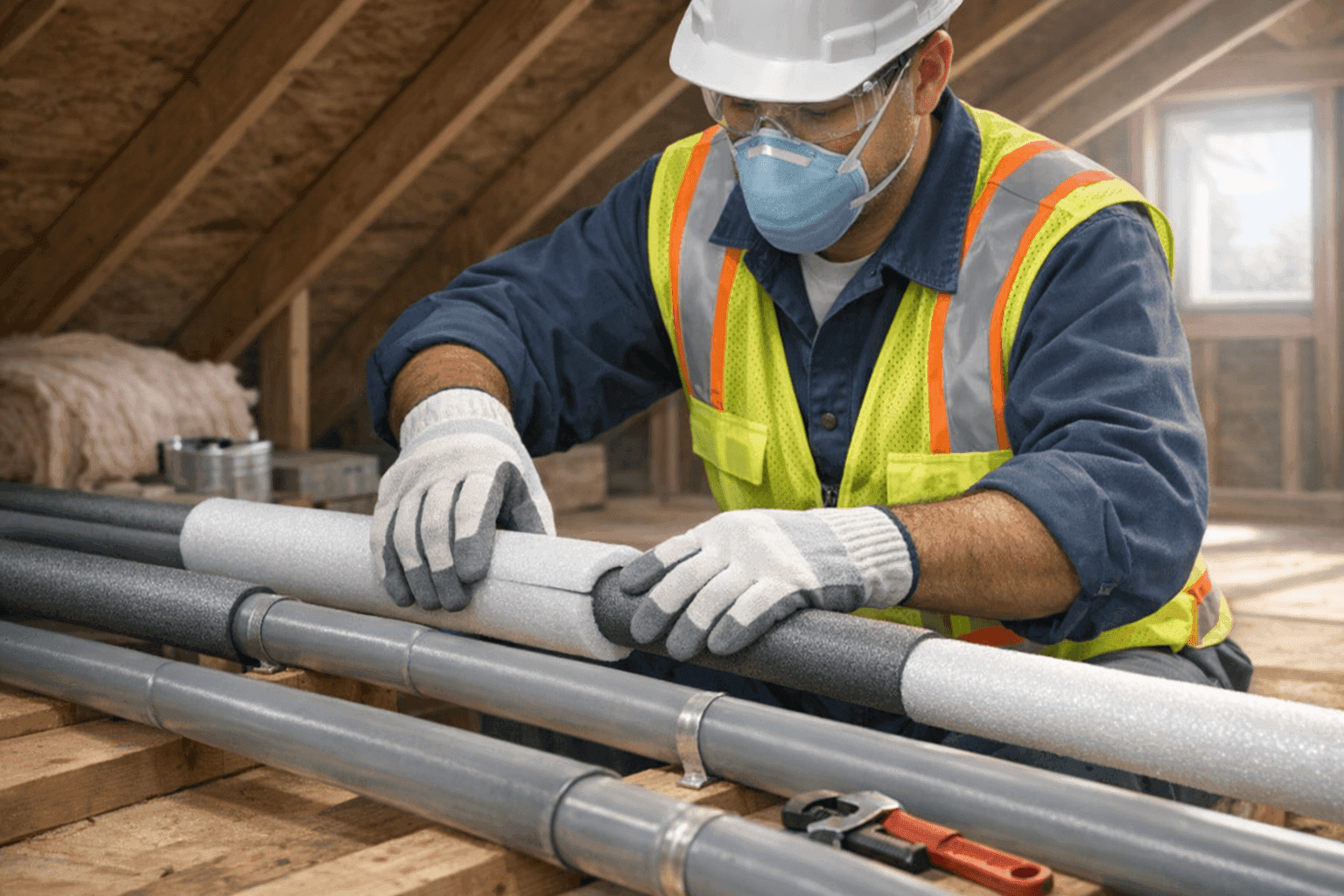
Are you only thinking about your pipes when the temperature drops? You’re not alone. Most homeowners worry about frozen pipes in winter, but pipe insulation is a year-round hero for your plumbing. At Peters Flo Plumbing, we see the big picture—and we know a little prevention now can save you from big headaches later.
Pipe insulation isn’t a luxury. It’s a smart, affordable step every homeowner should consider, no matter the season. Here’s what you need to know to protect your home, your wallet, and your peace of mind.
What Is Pipe Insulation? 🧰
Pipe insulation is like a cozy jacket for your plumbing. It’s a layer of material—often foam, fiberglass, or rubber—that wraps around your water lines. But it’s more than just warmth. Insulation shields pipes from extreme temps, bumps, and even condensation.
Think of it as a barrier. Just like you wouldn’t leave your garden hose out to freeze, your indoor and outdoor pipes need a little love, too. This simple layer helps maintain steady water temperature, reduces energy waste, and keeps your pipes safe all year.
Year-Round Benefits of Pipe Insulation
Most folks picture pipe insulation as a winter fix. But that’s only half the story.
- Energy Savings: Insulated pipes mean hot water stays hot (and cold water stays cold) as it travels through your home. No more cranking up the heat or running the tap longer, wasting both water and energy.
- Freeze Protection: Yes, insulation helps prevent frozen pipes in winter. But it also stops condensation and sweating in humid months, which can lead to mold, mildew, and water damage.
- Longevity: Pipes that are protected from temperature swings and moisture last longer. That means fewer calls for pipe repair and more money in your pocket.
- Comfort: No more waiting ages for hot water to reach your shower on a chilly morning—or dealing with lukewarm water in the summer.
Pipe insulation pays for itself over time. The U.S. Department of Energy recommends insulating hot water pipes to save energy and reduce standby heat loss.
Common Problems Uninsulated Pipes Face
When pipes are left bare, they’re more than just cold. Problems can sneak up on you fast:
- Burst Pipes: Sudden cold snaps can freeze water inside, causing pipes to burst and flood your home.
- Sweating Pipes: Warm, humid air meets cold pipes? Drips form. Over time, that moisture can rot wood, ruin drywall, and foster mold.
- Heat Loss: Hot water cools as it travels, forcing your water heater to work harder and driving up your energy bills.
These issues don’t just happen in winter. Summer humidity, spring storms, and even autumn chills can put your plumbing at risk.
Choosing the Right Insulation for Your Pipes
Not all pipe insulation is created equal. The best choice depends on your pipes, location, and needs:
- Foam Tubing: Great for most indoor pipes. Easy to install and cost-effective.
- Fiberglass Wrap: Handles higher temps—ideal for hot water lines and near boilers.
- Rubber Insulation: Flexible and moisture-resistant. Works well in damp or outdoor areas.
Check for ratings that meet local building codes and the International Plumbing Code (IPC). If you’re unsure, a professional can help you pick the right material for your pipes and climate.
DIY vs. Pro: Should You Insulate Pipes Yourself?
You can buy foam sleeves at any hardware store. Some homeowners tackle simple, straight runs on their own. It’s a bit like wrapping a present. But there’s a catch.
- DIY is okay for: Exposed pipes in basements, garages, or crawlspaces—especially if they’re easy to reach and free of odd angles.
- Call a pro for: Tight spots, complex systems, or pipes with existing damage. If you’re unsure what material to use or how to handle gas or boiler lines, don’t risk it.
A professional plumber—like Peters Flo Plumbing—knows how to spot trouble you might miss, and can recommend the right insulation and thickness for your home.
How to Insulate Pipes: Simple Steps
Thinking about giving it a go? Here’s how to get started:
- Measure: Figure out the length and diameter of the pipes you want to insulate.
- Select Your Material: Foam tubes are easiest for most DIY jobs.
- Cut to Size: Snip the insulation to fit. Use a sharp blade for clean cuts.
- Wrap and Seal: Slide the insulation over the pipe, making sure seams face downward. Use tape or zip ties to secure the ends and joints.
- Check for Gaps: Overlap at elbows and valves. No bare spots!
Always follow the manufacturer’s instructions, and wear gloves and eye protection if using fiberglass.
Signs Your Pipes Need Protection 🚨
How do you know if your pipes are crying out for insulation? Here are some red flags:
- You see condensation: Pipes look sweaty or drip onto the floor.
- Water temperature fluctuates: Takes too long for hot water to arrive.
- You hear banging or knocking: Pipes expand and contract with temperature swings.
- Ice-cold pipes in winter: Especially in unheated areas.
- Visible rust or corrosion: Moisture is taking a toll.
Don’t wait for a burst or leak. Early action can mean the difference between a quick fix and a major repair.
Pipe Insulation and Preventative Maintenance
Insulation is just one piece of the puzzle. Regular checks, seasonal prep, and basic preventative maintenance keep your plumbing running smoothly all year. A routine inspection from Peters Flo Plumbing can catch issues before they become emergencies—saving you stress and money.
Pipe Insulation and Energy Savings: The Real Numbers
How much can you save? According to the U.S. Department of Energy, properly insulated hot water pipes can raise water temperature 2°F–4°F hotter than uninsulated pipes, allowing you to lower your water heater setting. Less energy loss means less money wasted—simple as that.
When Pipe Insulation Isn’t Enough
Some problems go beyond insulation. Old, cracked, or poorly installed pipes can leak no matter how well you wrap them up. If you’re dealing with rusty pipes, frequent leaks, or notice water pressure drops, it might be time for a repair or even a full replacement.
Not sure? Our team can help assess your system and recommend honest solutions.
Common Mistakes to Avoid
Pipe insulation isn’t difficult, but a few missteps can cause headaches:
- Missing sections: Gaps let in cold or moisture.
- Wrong material: Not all insulation is safe for high-temp or outdoor use.
- Ignoring hidden pipes: Pipes behind walls or in crawlspaces still need protection.
- Skipping maintenance: Insulation degrades over time—check it every year.
A little attention now means fewer surprises later.
Timeline & Disruption: What to Expect
Most pipe insulation jobs are done in a day. For whole-home projects, plan for a few hours of access to basements, attics, or crawlspaces. There’s no need to shut off your water for most jobs, and disruption is minimal—especially when handled by a pro.
Frequently Asked Questions About Pipe Insulation
Is pipe insulation required by code?
Some local codes require insulation on certain pipes, especially in new builds or renovations. Always check your municipality’s requirements.
Can I insulate pipes in the summer?
Absolutely. Summer is a great time to prep for winter and stop condensation problems before they start.
Does insulation stop all freezing?
It helps a lot, but extreme cold can still freeze pipes if left unchecked. Combine insulation with other freeze-prevention tips for best results.
Seasonal Considerations: More Than Just Winter
Don’t stash away your to-do list when spring arrives. Insulation helps year-round:
- Spring: Stop condensation as air warms up.
- Summer: Prevent sweating and mold.
- Fall: Prep for winter freezes.
- Winter: Keep the heat in and the cold out.
Each season brings its own risks. Insulation is your first line of defense.
When to Call Peters Flo Plumbing
Sometimes, it’s best to let the professionals handle it—especially if you notice leaks, hear odd noises, or have older plumbing. For reliable plumbing and Backflow Prevention near you, our team is always ready to help.
Final Thoughts: Invest in Your Pipes, Invest in Your Home
Pipe insulation might seem like a small thing, but it’s a shield your plumbing needs all year. It saves energy, prevents costly repairs, and keeps your home comfortable—no matter the weather.
Have questions or need a hand?
Call Peters Flo Plumbing now — or reach us anytime at 877-331-9687 .