Pipe Installation Best Practices: What Homeowners Should Know
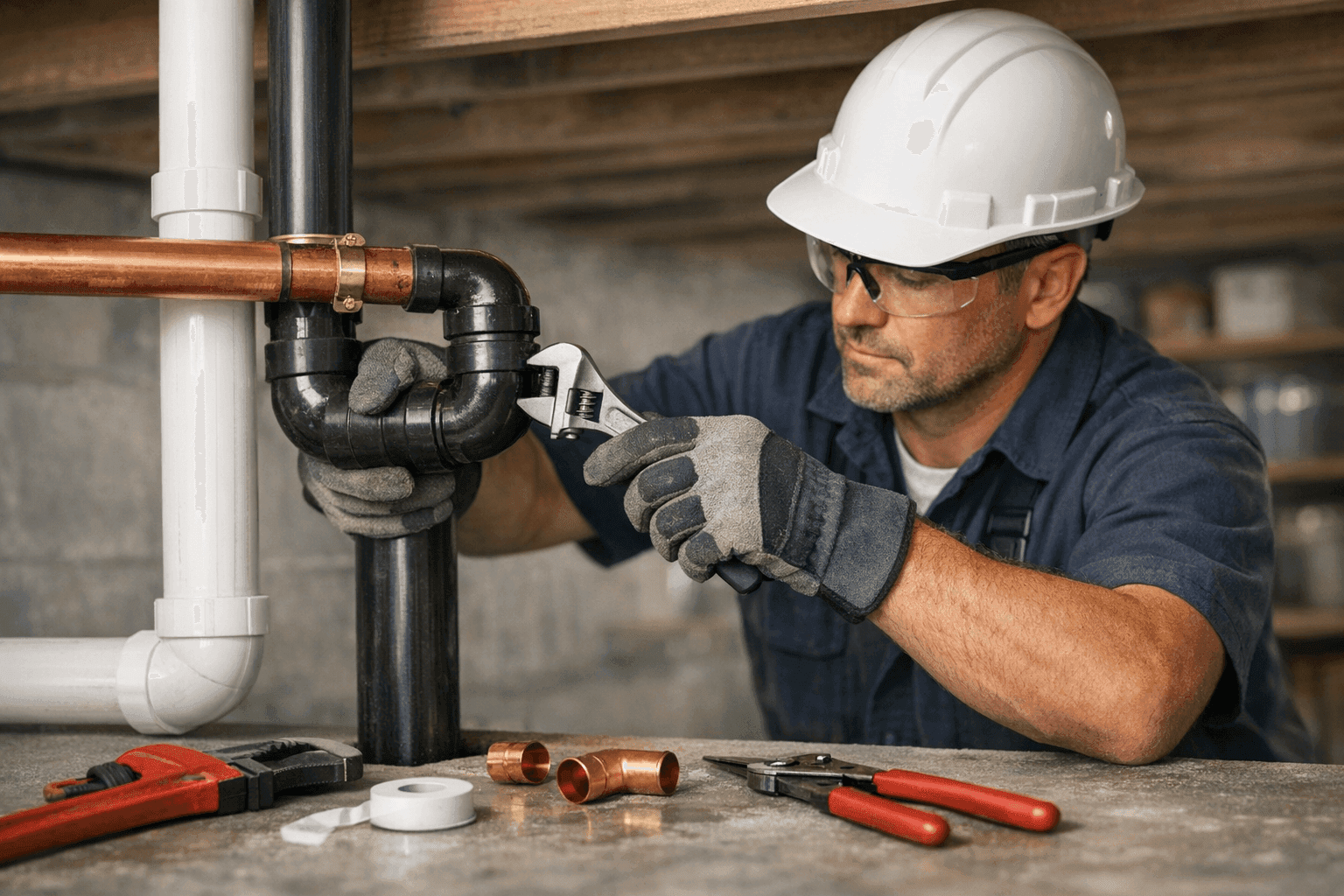
When water runs where it shouldn’t, panic can set in fast. At Peters Flo Plumbing, we've seen how even small mistakes in pipe installation can lead to headaches—or expensive repairs. Whether you’re renovating a bathroom or updating old lines, knowing what’s involved can save you trouble down the road.
Homeowners often want the peace of mind that comes from doing things right the first time. This guide walks through pipe installation best practices, so you know what to expect and how to keep your plumbing flowing smoothly.
Common Pipe Materials: Copper, PEX, PVC 🛠️
Choosing pipe material is like picking the right shoes for a job—each has its strengths and best uses.
- Copper: The classic choice. It’s tough, resists bacteria, and lasts for decades. Ideal for hot and cold water lines. But copper can be pricey, and it requires soldering.
- PEX: Flexible, easy to snake through walls, and less likely to burst if frozen. PEX is great for retrofits or tricky layouts. It can’t be used outdoors (UV light breaks it down), but indoors it’s a favorite for many pros.
- PVC: Lightweight and resistant to corrosion. Often used for drain, waste, and vent lines. Not for hot water, but perfect for many residential projects.
The right material depends on your home’s needs, budget, and local code. The International Plumbing Code (IPC) and Uniform Plumbing Code (UPC) set standards you’ll want to follow.
Planning a Pipe Installation: Start Smart
Before the first pipe is cut, planning is crucial. Think of this as mapping out a road trip. Skipping the map only leads to wrong turns.
- Assess the layout: Trace where pipes need to go. Consider existing walls, floors, and obstacles.
- Check water needs: Bathrooms, kitchens, and appliances all need proper supply, so count every fixture.
- Budget wisely: Factor in materials, labor, and the chance of surprises hidden behind drywall.
- Account for future needs: If you might add a bathroom or laundry down the road, plan for extra capacity now.
Professional plumbers often use blueprints or digital plans to avoid costly reroutes later.
Installation Process Explained: Step by Step
Here’s how a typical pipe installation unfolds:
- Shut off the water: Safety first.
- Mark out runs: Use chalk or marker to show where pipes will go.
- Cut and fit: Measure twice, cut once. Pipes are dry-fit before final connections.
- Join pipes: Depending on the material, this might mean soldering, crimping, or gluing.
- Secure pipes: Use clamps or hangers to prevent movement and noise.
- Pressure test: Before closing up walls, pipes are filled and checked for leaks.
Each step seems simple, but precision matters. Even a small gap or loose joint can cause leaks—sometimes months later.
Avoiding Common Mistakes 🚩
It’s easy to trip up if you’re not careful. Here are mistakes we see most:
- Incorrect slope: Drain lines need a slight tilt—too flat, and water sits; too steep, solids stay behind.
- Mixing metals: Joining copper and galvanized steel without a dielectric union can cause corrosion.
- Overtightening: Cranking fittings too hard can crack pipes or strip threads.
- Skipping supports: Unsecured pipes can knock and wear out faster.
- Ignoring expansion: Some materials (like PEX) expand and contract. Leave room for movement.
Following established plumbing codes helps avoid these pitfalls. The [International Residential Code (IRC)] and manufacturer instructions are must-reads for any installer.
Importance of Permits & Codes: Don’t Skip This Step ⚖️
Permits feel like paperwork, but they’re the safety net for your home. Local codes exist to keep water safe and structures sound. Failing to pull the right permit can lead to fines, insurance issues, and even having to tear out completed work.
- Always check with your city or county before starting any project.
- Inspections ensure work meets code and keeps your family safe.
- Code requirements cover everything from pipe size to backflow prevention.
Sticking to the rules isn’t just about avoiding trouble—it’s about protecting your investment.
Quick Safety Checklist
Before starting any pipe project, run through these basics:
- Shut off water and electricity in the work area.
- Wear gloves and safety glasses.
- Ventilate if using glue or solder.
- Double-check for gas lines before cutting or drilling.
Safety isn’t optional. It’s a habit that pays off every time.
DIY vs. Calling a Pro
Some repairs or installations look simple, but behind every clean wall there’s a maze of pipes. DIY can be fine for minor swaps—like a faucet or showerhead. Anything involving pipe rerouting, gas lines, or main water shutoff is a different story.
- When to DIY: Minor fixture replacements, tightening loose fittings.
- When to call Peters Flo Plumbing: New installations, repiping, leak repair, or anything behind walls.
Remember, even a small leak can waste thousands of gallons a year—or damage your home’s structure.
What Pros Do On Arrival
When you call in the pros, here’s what to expect:
- Assessment of existing plumbing and water pressure.
- Inspection for leaks or corrosion.
- Review of code requirements for your project.
- Detailed quote before starting work.
Professional plumbers bring specialized tools and a practiced eye for trouble spots.
Pipe Installation Timeline & Disruption
Most residential pipe installations or replacements take a day or two, depending on complexity. If opening walls or floors is needed, expect noise, dust, and water shutoffs. Good plumbers communicate clearly about what to expect and how long you’ll be impacted.
Seasonal Considerations: Weather and Pipes
Freezing temps make installation trickier and increase the risk of burst pipes. Summer projects are easier, but high humidity can affect adhesives and cure times. Always consider your local climate and plan accordingly.
Signs of Trouble: When to Act Fast
Watch for these red flags:
- Damp spots on walls or ceilings.
- Sudden drop in water pressure.
- Unusual noises (banging, whistling).
- Unexplained increase in your water bill.
These signs might mean it’s time for leak repair or even repiping.
Prevention & Maintenance: Keep Pipes Healthy
- Don’t use harsh chemicals—these can erode pipes.
- Insulate pipes in unheated spaces.
- Schedule annual plumbing check-ups.
- Fix small leaks before they become big ones.
A few habits go a long way in keeping your plumbing system trouble-free.
Costs & Time Factors
Pipe installation costs vary. Material, labor, and accessibility all factor in. Copper costs more up front, but lasts. PEX is affordable and quick to install, saving on labor. Ask for a detailed quote and timeline before work begins.
When It’s an Emergency
Burst pipe? Water everywhere? Shut off your main valve right away and call us. Quick response is the difference between a quick fix and major repairs.
If you’re searching for reliable plumbing help near you, explore our Springfield service page for details on scheduling and emergency response.
FAQ: Pipe Installation at a Glance
Q: How long do pipes last?
Copper: 50+ years. PEX: 40+ years. PVC: 25–40 years.
Q: Do I always need a permit?
Most major installations require one. Check with your local building department to be sure.
Q: What’s the most common pipe installation mistake?
Improper connections and skipping pressure tests.
Q: Can pipe installation improve water pressure?
Yes, especially if old pipes are clogged or corroded.
Whether you’re facing a leaky pipe, planning a remodel, or need a complete repiping, Peters Flo Plumbing brings experience and attention to detail to every job. We follow the latest codes, use quality materials, and put your safety first.
Call Peters Flo Plumbing now — or reach us anytime at 877-331-9687 .