How to Tell If You Need a Water Heater Replacement
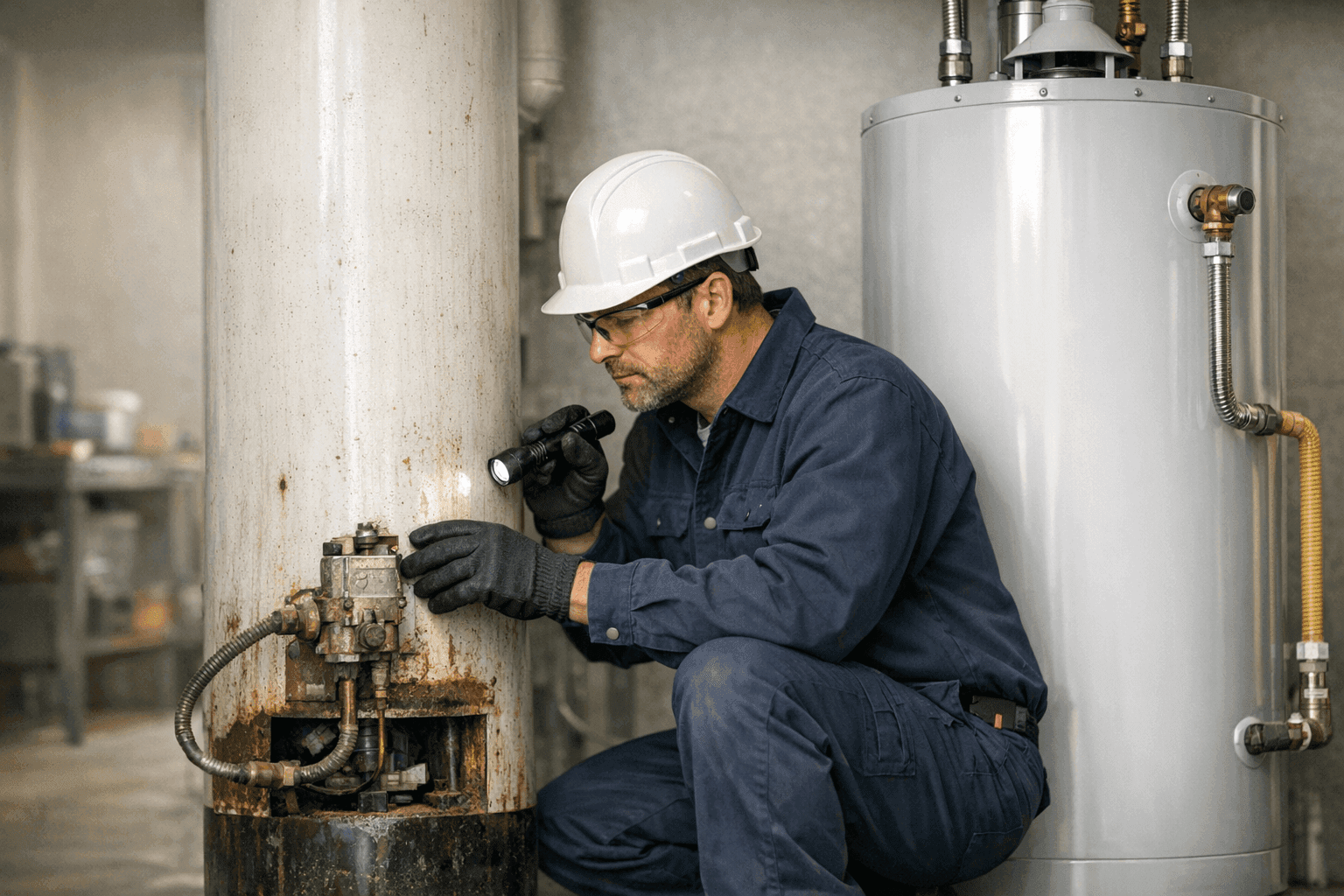
Is your morning shower suddenly running cold—or worse, not working at all? A failing water heater has a way of making itself known at the very worst moments. At Peters Flo Plumbing, we know the sinking feeling that comes with a leaky tank or a rumbling, grumbling heater in the basement. Let’s help you spot the warning signs early, so you can plan a smooth replacement and keep your home comfortable.
A water heater isn’t just another appliance. It’s the beating heart of your plumbing system, quietly working behind the scenes—until it doesn’t. Here’s how to know when it’s time to say goodbye.
Water Heater Lifespan: How Long Should Yours Last? ⏳
Most water heaters don’t last forever. Like a favorite pair of boots, they wear out slowly, then all at once. On average:
- Tank-style water heaters: 8–12 years
- Tankless models: 15–20 years
If your heater is bumping up against these numbers, it’s smart to start planning. Check the manufacturer’s sticker for the install date, usually found on the side of the tank.
Keep in mind: Local building codes (like those from the International Association of Plumbing and Mechanical Officials) may require updates or replacements for safety and efficiency. Older units are more likely to violate current standards.
Age Isn’t Just a Number: Why Old Heaters Fail
Think of your water heater like an old car. It might keep running past its prime, but the risk of a breakdown looms larger each year. Sediment builds up, efficiency drops, and parts become brittle.
Older heaters are more likely to:
- Waste energy, raising utility bills
- Leak and cause water damage
- Struggle to deliver enough hot water
If yours is past the average lifespan, ask yourself if you’re ready to deal with an unexpected flood or icy shower. Sometimes, early replacement is the safest bet.
Signs of Failure: What Trouble Looks Like
Water heaters rarely quit quietly. Watch for these red flags:
- Rusty or discolored water: Brown water is a sign your tank is corroding from the inside.
- Strange noises: Rumbling, popping, or banging? That's sediment hardening, making your heater work overtime.
- Leaks: Any water pooling around the base is a big warning. Even a small drip can turn into a major headache.
- Temperature swings: If you’re constantly adjusting the knob, or hot water runs out fast, efficiency is slipping.
- Low water pressure: Mineral buildup can clog lines and slow your flow.
One or two of these signs? Time to consider your options. All at once? Replacement is likely around the corner.
Quick Safety Checklist Before You Touch Anything 🛑
Before you investigate or call for repairs:
- Turn off power to the unit (breaker for electric, gas valve for gas heaters).
- Check for gas smells—if you detect any, evacuate and contact your gas supplier immediately.
- Never ignore a leaking tank. Water near electrical outlets or gas lines is a serious safety hazard.
Follow local safety codes and, when in doubt, call a licensed plumber to avoid injury.
Leaks and Water Damage: The Hidden Dangers
A leaky water heater can quietly destroy floors, walls, and belongings. Water seeps into nooks and crannies, inviting mold and rot.
If you spot a leak:
- Mop up standing water right away.
- Place a pan or bucket under the leak if safe to do so.
- Turn off the cold water supply valve.
Don’t wait—small leaks rarely fix themselves. They tend to get worse, fast.
Odd Noises: What Do They Mean?
Not all water heater sounds are normal. A gentle hum is fine. But:
- Popping: Sediment is boiling and making noise.
- Rumbling: Thick sediment layer is trapping water and causing mini-explosions.
- Hissing: Could mean a leak or pressure issue.
If your heater sounds like a coffee pot gone wild, it’s time for a checkup.
Repair vs. Replace: Making the Right Call
Should you fix or replace? Think of it like patching a worn tire. Sometimes a repair is fine. Other times, it’s safer (and cheaper in the long run) to replace the whole unit.
Repair may be enough if:
- The heater is less than 8 years old
- The problem is minor (like a faulty thermostat or heating element)
- There’s no sign of tank rust or leaks
Replacement is smarter when:
- The tank is leaking
- The unit is over 10 years old and failing often
- Energy bills keep rising despite repairs
As a rule of thumb: If repair costs exceed half the price of a new unit, replacement is usually more economical.
Efficiency and Utility Bills: The Silent Signal
Notice your energy bills creeping up? An inefficient heater works harder, using more gas or electricity to deliver the same hot water. Modern models are far more efficient, saving you money month after month. According to the Department of Energy, upgrading to an ENERGY STAR® water heater can shave up to 8% off annual water heating costs.
Water Heater Emergencies: When to Act Fast
Some problems can’t wait. Call a plumber right away if:
- The tank is leaking heavily
- There’s no hot water at all
- You smell gas or see scorch marks
Delaying can turn a nuisance into a full-blown disaster.
DIY Checks vs. Calling a Pro 🔧
Homeowners can:
- Check the age and serial number
- Listen for odd noises
- Look for leaks or rust
But many issues—like a failing pressure relief valve or hidden backflow risks—need a professional’s touch. Doing your own repairs can void warranties or even break local plumbing codes.
Need a hand with Backflow Prevention? Our licensed plumbers are always ready to help.
What Pros Do When They Arrive
When you call in Peters Flo Plumbing, here’s what to expect:
- Inspect all water and gas connections for leaks or corrosion
- Test pressure and temperature safety controls
- Check for backflow risks and ensure compliance with safety standards
- Assess tank integrity, insulation, and efficiency
We’ll walk you through your options, so you can make an informed choice for your home and budget.
Choosing a New Unit: What Matters Most
Every home is different. When replacing your water heater, consider:
- Size: Too small? You’ll run out of hot water. Too big? You’ll waste energy.
- Type: Tank or tankless? Gas or electric? Each has pros and cons.
- Efficiency: Look for high-efficiency ratings to save money over time.
- Code compliance: Make sure your new unit meets local and national codes (like the Uniform Plumbing Code).
If you’re unsure where to start, our team can recommend models tailored to your needs.
Installation: What’s the Timeline and Disruption?
Expect a typical replacement to take 2–4 hours. If your old heater is in a tight spot or there’s extra plumbing work, it may take longer. We’ll protect your floors, clean up as we go, and test the new unit before we leave.
Preventing Water Heater Problems: Maintenance Tips 🧰
To get the most from your new water heater:
- Drain and flush the tank yearly to remove sediment
- Test the pressure relief valve every six months
- Insulate pipes to prevent heat loss
- Schedule annual preventative maintenance with a qualified plumber
Regular care can add years to your heater’s life.
Common Mistakes Homeowners Make
- Ignoring small leaks or noises
- Skipping annual maintenance
- Setting the temperature too high (120°F is usually plenty)
- Choosing the cheapest replacement without checking efficiency ratings
Avoid these pitfalls to keep your hot water flowing smoothly.
FAQ: Answers to Questions We Hear Most
How long will installation take?
Most replacements are done in half a day.
Do I need a permit?
In many areas, yes—especially for gas units. Our team handles permits and inspections.
Can I install it myself?
DIY installation can be risky and may violate plumbing codes. Always use a licensed pro.
What about backflow risks?
A properly installed water heater should always include backflow prevention to protect your drinking water. Learn more about the importance of Backflow Prevention.
Seasonal Considerations: Why Timing Matters
Replacing your heater before winter means no cold showers when you need hot water most. Don’t wait for the first freeze—schedule service in the fall if your unit is aging.
Don’t Wait for an Icy Surprise
If your water heater is showing its age, leaking, or making weird noises, don’t wait until you’re left with cold water—or worse, a flooded basement. Proactive replacement means peace of mind, better efficiency, and a warmer home.
If you’re searching for a reliable plumber near you for water heater replacement, service, or plumbing in Washington, DC, Peters Flo Plumbing is ready to help.
Call Peters Flo Plumbing now — or reach us anytime at 877-331-9687 .