How to Maintain Your Water Heater for Long Life and Efficiency
Water heaters are the silent heroes of your home. Day in and day out, they deliver hot water for showers, dishes, and laundry—without a fuss. But like any hard worker, they need a little attention to keep running smoothly.
Neglect can lead to surprise cold showers, leaks, or even costly damage. Let’s break down what you can do to keep your water heater humming—and when to call in a pro from Peters Flo Plumbing.
Why Water Heater Maintenance Matters ⚡
A well-maintained water heater is kind to both your wallet and your nerves. Here’s why:
- Energy Efficiency: Sediment builds up in the tank over time, forcing your water heater to work harder. That means higher energy bills.
- Safety: Old heaters can develop leaks or even dangerous pressure issues. Regular checks reduce these risks.
- Longer Life: With routine care, a water heater can last years longer. That’s money saved on early replacements.
- Fewer Repairs: Spotting small issues early means less downtime—and less drama at home.
According to the U.S. Department of Energy, maintenance can cut standby heat losses by 4–9%. That adds up fast!
Flushing Your Tank—The Sediment Solution
Picture your water heater’s tank like a teapot. Over time, minerals (like calcium and magnesium) settle at the bottom. That sediment acts like a thick blanket, making it tough for the heating element to work efficiently.
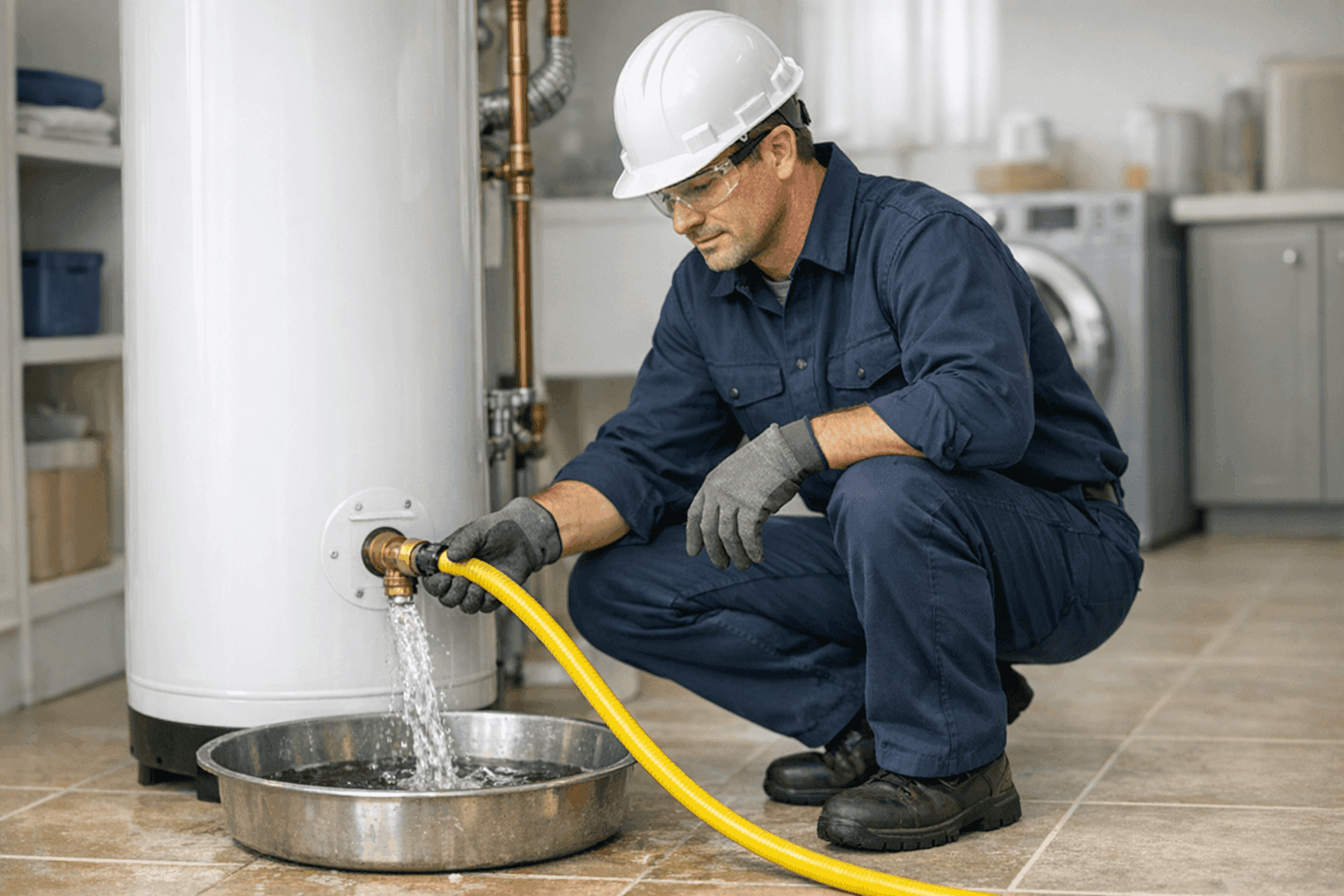
How to flush your tank:
- Turn off power or gas supply.
- Let the water cool to avoid scalds.
- Connect a garden hose to the drain valve at the bottom.
- Open the valve and allow water (and sediment) to drain outside or to a floor drain.
- Refill and restart the heater.
Aim for a full flush once a year. If you notice cloudy water or rumbling noises, it’s probably overdue.
Checking Anode Rods—Your Rust Defender 🛡️
Inside every tank is a hidden hero: the anode rod. It attracts corrosive elements, sacrificing itself to protect the tank from rust.
- Inspect every 1–2 years. If the rod is less than ½ inch thick or heavily coated with calcium, replace it.
- This step can literally double the tank’s lifespan.
Not comfortable taking apart your heater? No problem—Peters Flo Plumbing can handle water heater installation and maintenance safely.
Adjusting Temperature—Save Energy, Stay Safe
Most manufacturers set the thermostat at 140°F. But for most homes, 120°F is plenty hot—and safer.
- Lower temperature = lower bills. Each 10°F reduction can save 3–5% in energy costs (source: U.S. Department of Energy).
- Prevents scalding, especially important for kids or older adults.
Check your manual for instructions, or have a professional check and adjust during annual maintenance.
Spotting Early Warning Signs
Don’t wait for disaster. Watch for these red flags:
- Water not as hot as it used to be.
- Rusty or tinted water.
- Strange noises (popping, banging, rumbling).
- Water around the base of the unit.
- Pilot light won’t stay lit (for gas units).
If you notice any of these, it’s time to schedule a water heater repair. Fast action can prevent bigger headaches.
Quick Safety Checklist 📝
Before you grab any tools, remember:
- Turn off electricity (breaker) or set gas control to “pilot.”
- Let the unit cool—scalding water can cause serious burns.
- Know your shut-off valves (water and gas).
If you smell gas or see pooling water, call immediately. Safety first, always.
DIY or Call the Pros?
Some maintenance is safe for handy homeowners: draining sediment, adjusting temperature, or checking for leaks.
But for anything involving gas lines, electric components, or internal parts, call a licensed plumber. It’s not just about comfort—it’s about code compliance and your family’s safety.
What Pros Do On Arrival
When Peters Flo Plumbing arrives, we:
- Inspect for leaks, corrosion, or faulty valves.
- Test temperature and pressure relief valves.
- Check anode rods and replace if needed.
- Flush the tank, ensuring it’s debris-free.
- Advise on replacement if the unit is nearing end-of-life.
This routine keeps your system up to code and your hot water reliable.
Common Maintenance Mistakes
- Skipping annual flushing.
- Setting temperature too high (wastes energy and risks burns).
- Ignoring small leaks—tiny drips become big problems.
- Letting sediment build up for years.
A little attention, once a year, keeps things in check.
Costs & Time: What to Expect
- DIY flush: About 1 hour, plus some patience.
- Professional service: Typically under 2 hours, with average costs varying by location and unit size.
- Replacement parts: Anode rods are affordable and available at most hardware stores.
Remember, a little spent on maintenance saves a lot on major repairs or early replacement.
When It’s an Emergency 🚨
Flooding, no hot water, or signs of gas leaks? Don’t wait. These are critical issues that need urgent attention.
If you’re in the area and need an emergency plumber or urgent leak detection, check out our high value plumbing services in Tuscaloosa for immediate help.
Seasonal Considerations
- Winter: Insulate pipes and tank to guard against freezing. Cold weather makes heaters work harder.
- Spring/Fall: Great time for annual maintenance.
- Summer: Check for leaks and sediment after heavy use.
Preventative Maintenance—Your Insurance Policy
Investing a little time each year:
- Keeps your water clean and fresh.
- Cuts down on utility bills.
- Protects your home from water damage.
Think of it like changing the oil in your car. Small steps, big payoff.
Timeline & Disruption
Most maintenance tasks can be completed within a morning or afternoon. With professional help, you’ll be back to warm showers before you miss them.
FAQ—Your Top Water Heater Questions
How often should I flush my water heater?
Once a year for most households. More often in areas with hard water.
What’s the average lifespan of a water heater?
8–12 years for tank-style units. With proper care, some last up to 15 years.
Is it safe to set my heater to vacation mode?
Yes, if you’ll be away for an extended period. It reduces wear and saves energy.
Final Thoughts: Don’t Wait for Cold Showers
A little care goes a long way. Watch for warning signs. Flush the tank. Check the anode rod. And when in doubt, call in a plumbing professional for a checkup. Regular maintenance is the key to a long, efficient life for your water heater—and peace of mind for you.
Call Peters Flo Plumbing now — or reach us anytime at 877-331-9687 .