Leak Repair: When a Small Drip Becomes a Big Problem
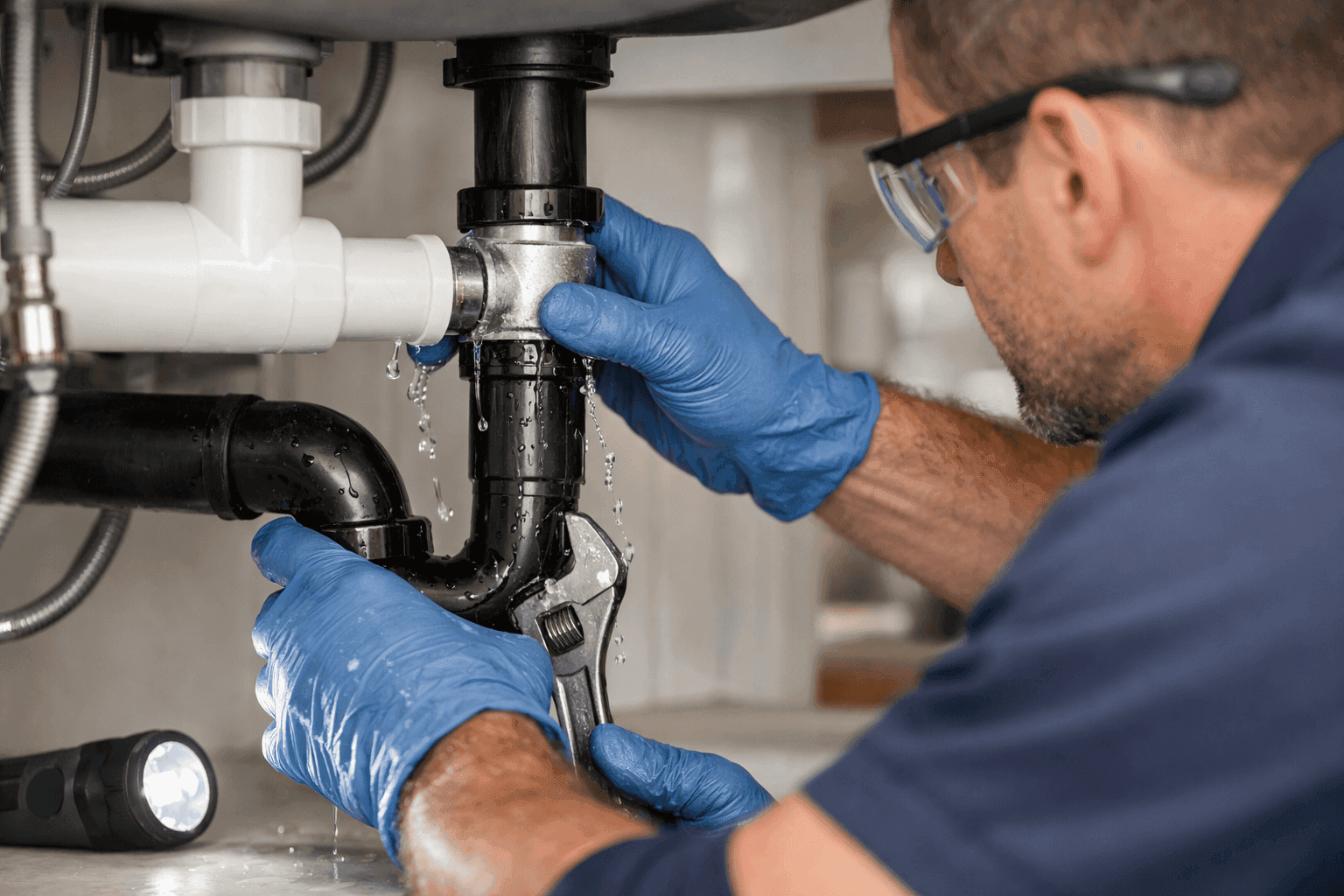
Do you hear the drip-drip-drip in the middle of the night? Maybe it’s just a tiny wet spot under the sink. It’s easy to ignore, especially when life is busy. But what starts as a small plumbing leak can snowball into a burst pipe, warped floors, or even hazardous mold.
At Peters Flo Plumbing, we’ve seen firsthand how a simple drip turns into a homeowner’s nightmare. We’re here to break down why even the smallest leak matters—and what you can do about it before it gets out of hand.
Why Small Leaks Matter 🛑
It’s tempting to shrug off a slow leak, like that leaky kitchen faucet or a sweating pipe in the basement. But just like a leaky roof eventually leads to buckets and ruined ceilings, ignoring water leaks can cost you.
- Hidden Damage: Over time, water seeps into cabinets, floors, and walls. Wood swells. Sheetrock crumbles.
- Mold Growth: Damp areas are a breeding ground for mold and mildew, which can trigger allergies and breathing problems. The U.S. Environmental Protection Agency warns that mold can develop in as little as 24-48 hours.
- Wasted Water: Even a minor leak can waste hundreds of gallons a year, driving up your water bill for no good reason.
- Structural Risks: Persistent leaks can rot wood framing, weaken foundations, and even cause ceilings to collapse.
That tiny drip? It’s like a termite in your plumbing—quiet, but relentless.
Common Leak Sources in the Home
Leaks come in all shapes and sizes. Some are obvious, some well-hidden. Here’s where we see them most:
- Under sinks: Loose fittings, worn washers, or cracked pipes.
- Toilets: Faulty flappers, broken seals, or running tanks.
- Water heaters: Rusty tanks, failing valves, or joint leaks.
- Showers and tubs: Cracked grout, loose fixtures, or leaking supply lines.
- Basement pipes: Old copper or galvanized pipes corroding from the inside out.
- Appliances: Dishwashers, washing machines, and fridges with leaky hoses or connections.
- Outdoor spigots: Freezing and thawing can crack pipes just behind the wall.
Warning Signs: How to Spot a Leak Early 👀
Not all leaks announce themselves with a puddle. Some are silent troublemakers. Watch for:
- Water stains on ceilings, walls, or under cabinets
- A musty or earthy smell, especially in basements or crawlspaces
- Peeling paint or wallpaper
- Warped or buckled flooring
- Sudden spikes in your water bill
- Mold spots around baseboards or behind toilets
- Sounds of running water when everything is turned off
If you notice any of these, don’t wait. The longer water sits, the more damage it can do.
Quick Safety Checklist
Water and electricity never mix. Before you investigate a leak:
- Turn off the main water supply if you see active flooding.
- If water is near outlets or electrical panels, shut off power at the breaker.
- Wear rubber-soled shoes if you’re in a wet area.
- Never touch electrical appliances if they’re wet.
When in doubt, play it safe and call a professional.
DIY vs. Call a Pro
Some leaks—like a loose faucet aerator—are safe for most homeowners to tighten up. But others aren’t so simple.
DIY-friendly:
- Replacing a worn-out washer in a faucet
- Tightening a slip nut under the sink
- Swapping out a toilet flapper
Call a pro for:
- Leaks inside the wall or ceiling
- Water pooling from unknown sources
- Soggy drywall or mold
- Persistent drips even after DIY fixes
- Plumbing near gas lines or electrical wiring
When it comes to hidden leaks or anything involving your main water line, professional leak detection is well worth it. For more details, check out our leak detection service.
What Pros Do On Arrival 🔧
When Peters Flo Plumbing shows up, we don’t just patch the obvious leak—we hunt for the root cause.
- Inspection: We use moisture meters, thermal cameras, or acoustic sensors to find hidden leaks.
- Code Check: Repairs are made to meet local plumbing codes and safety guidelines.
- Pipe Evaluation: We check for corrosion, pressure issues, and signs that more repairs are needed.
- Repair: We use quality parts and proven techniques, whether it’s tightening a joint, replacing a section of pipe, or upgrading to modern materials.
- Testing: After repairs, we pressure-test the system to make sure your plumbing is watertight and safe.
Prevention & Maintenance Tips
An ounce of prevention is worth a pound of cleanup. Here’s how to keep leaks from sneaking up on you:
- Check under sinks and around appliances monthly for moisture.
- Inspect caulk and grout in bathrooms and kitchens.
- Replace washing machine hoses every 3–5 years.
- Insulate exposed pipes before winter to prevent freezing.
- Schedule pipe repair or repiping checks if your home has older plumbing.
- Install smart leak detectors for early warnings.
- Know where your main water shut-off valve is—and how to use it.
Refer to the International Plumbing Code (IPC) or your local building codes for maintenance best practices.
Costs & Time Factors
Leak repair costs vary. A simple faucet fix is quick and affordable. Hidden pipe leaks behind walls or under floors? They take more time and skill. Factors that affect cost and repair time include:
- Accessibility (easy to reach vs. behind tile or drywall)
- Severity (minor drip vs. burst pipe)
- Age and material of pipes
- Water damage restoration needs
A good plumber will always explain your options and help you weigh repair vs. replacement.
When It’s an Emergency 🚨
Sometimes, it’s not just a drip. It’s a gusher. If you have:
- Gushing water from a burst pipe
- Flooding near electrical panels
- Sewage backups
- No water pressure throughout your home
That’s a true plumbing emergency. Shut off your main water supply and call for help immediately. Quick action can save thousands in repairs.
Common Mistakes Homeowners Make
- Ignoring the leak: Out of sight, out of mind—until it’s a disaster.
- Quick fixes with tape or sealant: Temporary patches don’t last.
- Overtightening connections: This can crack fittings and create new leaks.
- Using mismatched parts: Always use fittings and pipes rated for your specific system.
- Delaying professional help: Waiting too long can turn a small repair into a major project.
Timeline & Disruption
Worried about how long repairs will take? Most minor leak repairs are completed in a few hours. More complex jobs—like leaks inside walls—may require opening up drywall, which adds time for both repair and patching. Peters Flo Plumbing always works to minimize disruption and leave your home tidy.
Materials & Equipment Used
We rely on:
- Modern PEX, copper, or PVC piping for long-lasting repairs
- Lead-free solder and fittings
- High-quality shut-off valves
- Pipe insulation and moisture barriers
- Leak detection tools for precision
All materials meet or exceed plumbing code requirements for safety and durability.
Seasonal Considerations
Leaks love extremes. In winter, frozen pipes burst when temperatures rise. During spring thaws, old joints may fail. Summer humidity can worsen mold from hidden leaks. Fall is a good time for a plumbing checkup before cold weather hits.
Frequently Asked Questions
How do I know if my leak is serious?
If you see water stains, mold, or a sudden spike in your bill, act fast. Small leaks can quickly escalate.
Can leaks affect my home’s value?
Yes—water damage, mold, and plumbing issues can all lower your resale value.
Does insurance cover leak repairs?
Some policies cover sudden and accidental leaks, but not gradual damage. Check with your insurer.
What about backflow or water safety?
Regular backflow testing and prevention devices help protect your home’s drinking water from contamination. For more information about Backflow Prevention near you, reach out to us.
Do you serve the DC area?
Yes! If you need a trustworthy plumbing team for leak repair or emergency plumbing in DC, visit our Washington, DC plumbing services page.
Closing Thoughts: Don’t Ignore That Drip
A small leak rarely stays small for long. Whether it’s a steady drip, a mystery stain, or a sudden flood, Peters Flo Plumbing is ready to help you protect your home and your peace of mind.
Call Peters Flo Plumbing now — or reach us anytime at 877-331-9687 .