Leak Detection at Home: Tools, Tips, and When to Call a Pro
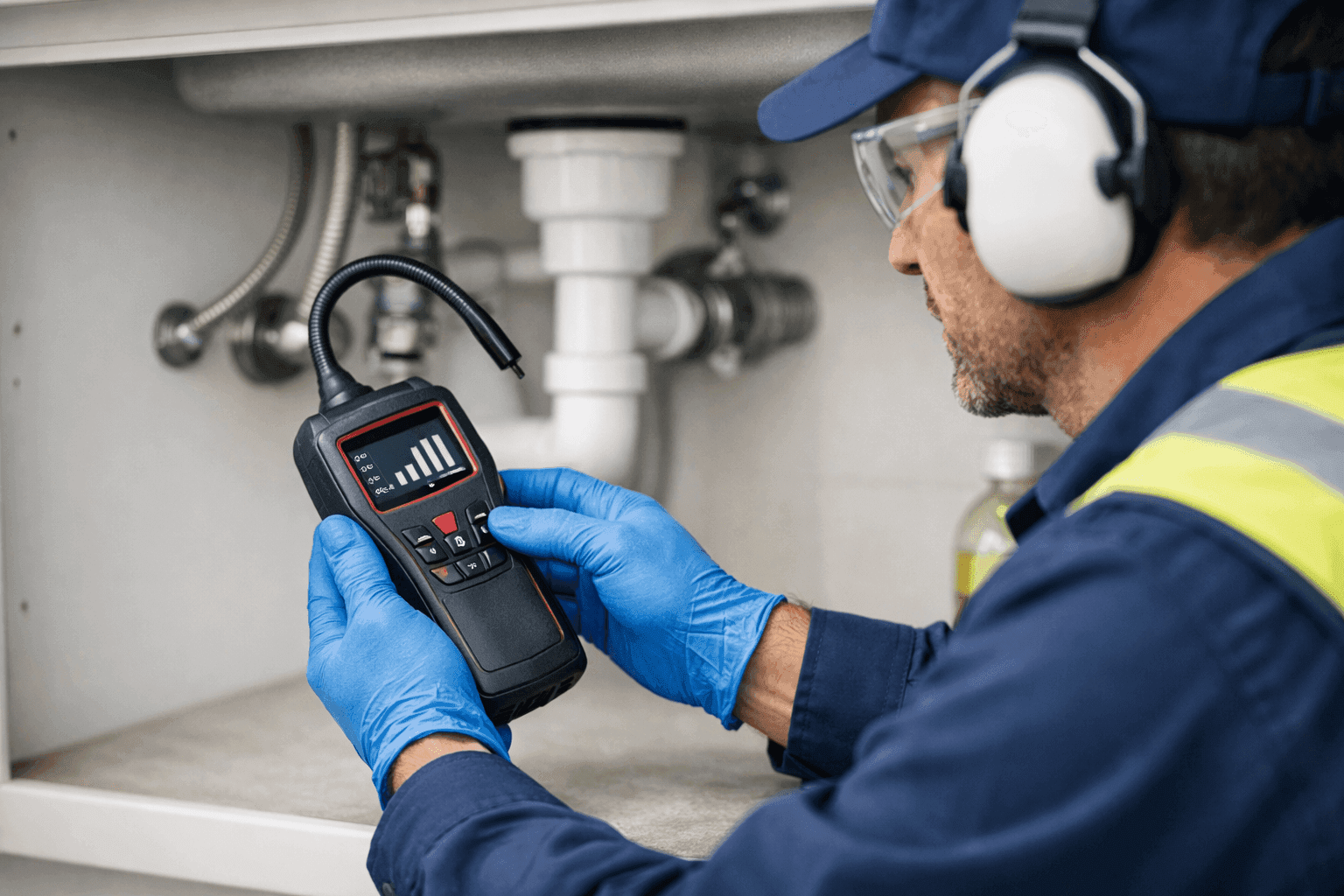
Water leaks can sneak up on any home. Sometimes they’re a trickle, sometimes a flood. Either way, the results can be costly and stressful. At Peters Flo Plumbing, we know how quickly a small drip can turn into a big problem.
Let’s walk through the signs of hidden leaks, the best tools for finding them, and—maybe most important—when it’s time to call in a professional. Early action is always the best defense.
Signs of Hidden Leaks 🕵️♂️
Leaks like to play hide and seek. But your house will give you clues if you know what to look (and listen) for:
- Unexplained water bill spikes: If your usage hasn’t changed, but your bill jumps, water may be escaping somewhere.
- Musty odors: Damp, earthy smells can mean water is pooling behind walls or under floors.
- Stains and discoloration: Yellow or brown marks on ceilings, drywall, or around fixtures signal water is somewhere it shouldn’t be.
- Peeling paint or wallpaper: Moisture gets trapped and loosens finishes.
- Sound of running water: Hearing water moving when all taps are off? Something’s up.
- Warped or buckling flooring: Wood and laminate floors often swell or buckle with excess moisture.
Catching these signs early can mean the difference between a quick fix and major repairs.
DIY Leak Detection Tools
You don’t need a toolkit from a spy movie to find leaks. Even simple tools can help:
- Your water meter: Check it before and after a two-hour window when no water is used. If it moves, you may have a leak.
- Food coloring: Put a few drops in your toilet tank. Wait 10–15 minutes without flushing. If color appears in the bowl, your flapper is leaking.
- Flashlight and tissue: Shine a light under sinks or behind appliances. Dab suspicious spots with a tissue to spot moisture.
- Moisture meter: Available at hardware stores, these can detect hidden dampness in walls.
- Listening: In the quiet of the night, listen for hisses or drips behind walls, especially near bathrooms and kitchens.
Some folks use thermal cameras or acoustic leak detectors, but these are best left to trained plumbers.
High-Risk Areas in Homes 🏡
Certain spots are leak magnets. Be extra watchful in:
- Bathrooms: Under sinks, around toilets, and behind shower walls.
- Kitchens: Under the sink, behind the fridge (especially if it has a water dispenser), and around dishwashers.
- Basements and crawl spaces: Pipes here are prone to condensation and corrosion.
- Laundry rooms: Washer hoses and valves can fail with age.
- Water heater closets: Look for puddles, rust, or corrosion.
Don’t forget outdoor spigots in spring and fall—freezing and thawing can crack pipes.
Quick Safety Checklist
Before you poke around, safety first:
- Turn off electricity if you suspect water near outlets or wiring.
- Don’t open up walls unless you know what’s behind them—pipes and wires can surprise you.
- Wear gloves if you’re checking damp or moldy spots.
- Know your main water shutoff. If you find a serious leak, you’ll want to stop water fast.
If you’re unsure, it’s always safer to call a plumber than take a risky guess.
DIY or Call a Pro? The Line in the Sand
Some leaks are safe (if messy) for a homeowner to investigate. But others? They’re best left to the pros.
DIY is usually safe for:
- Toilet flapper leaks
- Dripping faucets
- Minor pipe connections under sinks
Call a pro for:
- Leaks inside walls, floors, or ceilings
- Sudden loss of water pressure
- Water heater or boiler leaks
- Wet spots with visible mold
- Sewer smells or slow drains (could signal a broken sewer line)
- Gas line leaks (always a professional job)
Plumbers use acoustic leak detectors, infrared cameras, and pressure tests—tools and know-how most homes don’t have. Plus, we’re trained to work safely with code compliance in mind (see local plumbing codes and the International Plumbing Code for reference).
What Pros Do On Arrival 🚚
When you call Peters Flo Plumbing for leak detection, here’s what you can expect:
- Assessment: We ask about symptoms, walk the property, and check common leak spots.
- Precision testing: Using electronic tools, we pinpoint leaks without tearing up your home.
- Clear diagnosis: We’ll explain what we find, show you if possible, and discuss the best fix.
- Efficient repair: From simple leak repair to full pipe repair, we’ll recommend what’s best for your situation.
No guesswork. No unnecessary holes in your walls. Just straight answers.
Costs & Time Factors
Minor leaks can usually be checked in under an hour. Complex leaks inside walls or under slabs take longer, especially if advanced tools are needed.
Cost factors include:
- Location and accessibility of the leak
- If drywall or flooring must be removed
- Whether emergency service is needed (after-hours calls cost more)
Early leak detection almost always saves money by preventing bigger repairs later.
When It’s an Emergency 🆘
Some leaks just can’t wait:
- Burst pipes
- Severe water heater leaks
- Sewer line backups
- Any water near electrical panels
If water is gushing, shut off your main valve and call us immediately. Fast action can limit damage to your home and belongings.
Preventing Water Damage
A few habits can keep leaks from turning your home upside down:
- Inspect under sinks and behind appliances every few months.
- Replace washer hoses every 5 years.
- Never ignore small drips—they rarely fix themselves.
- Install water leak alarms in basements and under water heaters.
- Know your main shut-off valve location and test it yearly.
Routine Leak Repair can catch issues before they escalate.
Common Mistakes Homeowners Make
- Waiting too long: Hoping a leak will “go away” only leads to bigger bills.
- Using the wrong sealants: Temporary fixes can hide but not solve the problem.
- Overtightening fittings: This can crack pipes and cause more leaks.
- Ignoring musty smells: Mold grows quickly and can be harmful.
When in doubt, check it out—or call for help.
Seasonal Considerations 🌧️
Cold weather can freeze pipes, making them burst. Disconnect outdoor hoses before the first freeze. Insulate exposed pipes in basements, attics, and crawl spaces.
During rainy seasons, check your basement and sump pump regularly. Water seeks the lowest point—don’t let it pool where it shouldn’t.
Timeline & Disruption: What to Expect
Most leak detections are done with minimal mess. Sometimes, small holes are needed to access hidden pipes, but professional plumbers keep disruption as low as possible.
Large leaks, especially in older homes, may need more work if pipes are outdated or corroded. We’ll always keep you informed before starting repairs.
FAQs About Leak Detection
How fast should I act if I suspect a leak?
Immediately. Water damage moves fast, and mold can start growing within 24–48 hours.
Can I use insurance for water leaks?
Many policies cover sudden leaks (not ongoing, neglected issues). Check your policy and document the damage.
How often should I inspect my plumbing?
Twice a year is a good rule—spring and fall are perfect times.
Benefits of Early Leak Detection
- Lower repair costs
- Less disruption
- Healthier indoor air (less mold)
- Protects your home’s value
- Peace of mind
Reliable Plumbing Help When You Need It Most
Leaks might start small, but their impact can be huge. If you’re unsure, or if a leak is hiding out of sight, don’t wait. The pros at Peters Flo Plumbing have the right tools, training, and experience to find and fix leaks—protecting your home and your wallet.
If you’re looking for reliable plumbing services, including Backflow Prevention near you, our team is here and ready to help.
Call Peters Flo Plumbing now — or reach us anytime at 877-331-9687 .