How to Keep Your Basement Dry: Plumbing Solutions for Damp Spaces
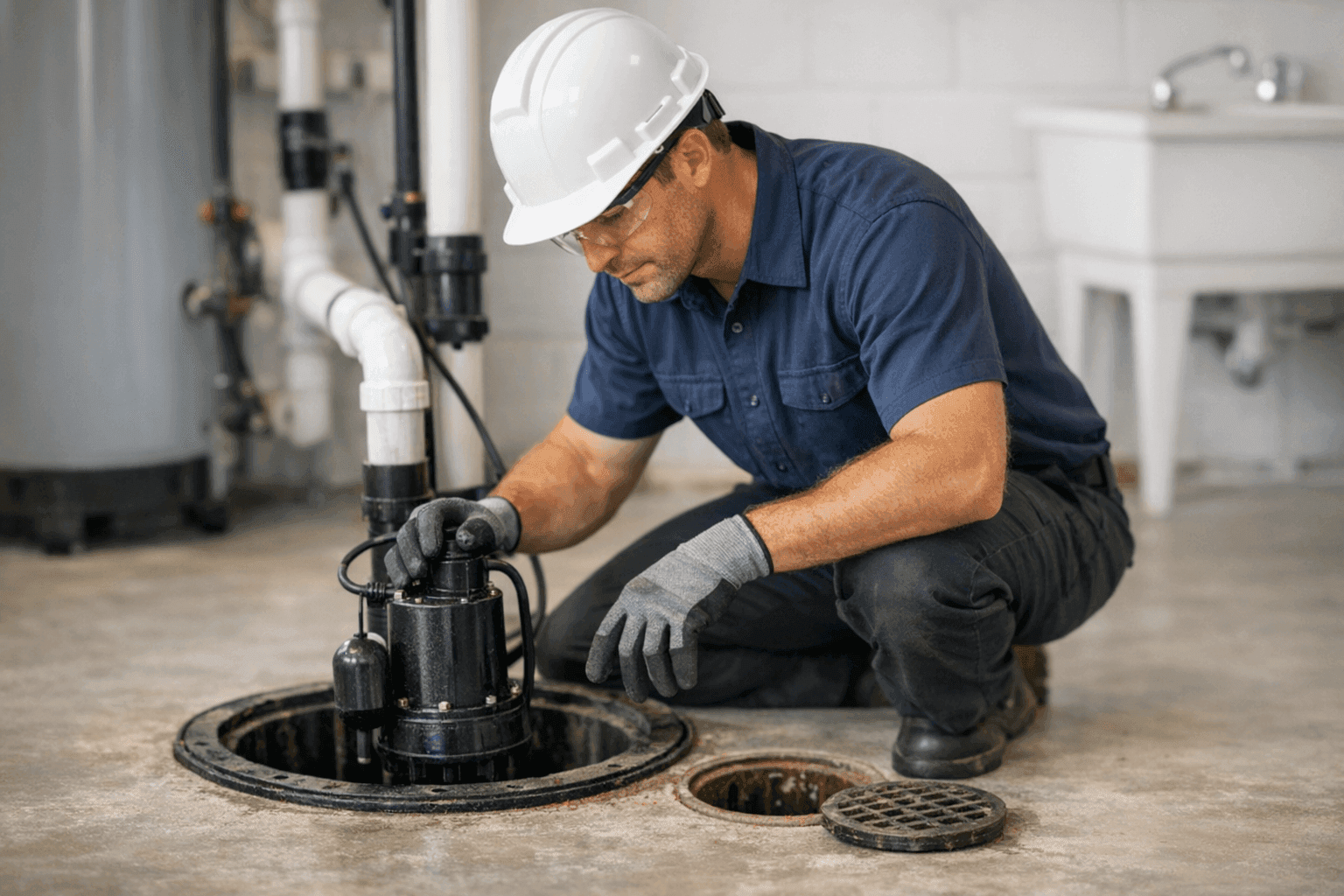
Does your basement feel more like a swamp than a living space? You’re not alone. Many homeowners face the constant battle against moisture, musty smells, and the sneaky threat of mold. At Peters Flo Plumbing, we know that a damp basement isn’t just inconvenient—it can put your family’s health and your home’s structure at risk.
But here’s the good news: with the right plumbing solutions, you can turn that damp, dreary lower level into a dry, usable space. Let’s dig into what’s causing the wetness—and what you can do about it.
Why Basements Get Damp
Basements are like the deep end of your home’s swimming pool. Water loves to collect there. Whether it’s seeping through the foundation, dripping from pipes, or sneaking in from outside, moisture always finds a way down.
Common culprits include:
- Heavy rain and poor yard drainage
- High groundwater tables
- Foundation cracks
- Leaky plumbing pipes
- Condensation from temperature swings
When water finds a path, your basement is the first stop.
Plumbing Causes of Basement Moisture 🚰
Plumbing can be a hidden source of trouble in any basement. A drip here, a slow leak there, and before you know it—trouble.
Watch out for:
- Leaking pipes or old fittings
- Cracked or clogged drains
- Faulty sump pumps
- Sewer backflow
- Broken water heaters
A single pinhole leak can add gallons of water, day after day. According to the International Plumbing Code, even minor leaks should be addressed immediately to prevent water damage and mold growth.
Quick Safety Checklist Before You Start
Water and electricity don’t mix. Before tackling any basement moisture problem:
- Shut off power to the basement if there’s standing water
- Wear rubber boots and gloves
- Use a flashlight instead of electrical lights
If you smell gas or see sparking, get out and call a professional right away.
Signs of Trouble: Know What to Look For
Sometimes, the clues are obvious—puddles, wet drywall, or stained carpet. But other times, the signals are subtle:
- A musty smell that won’t go away
- Peeling paint or bubbling walls
- White “powder” (efflorescence) on concrete
- Rusting pipes or fixtures
- Dripping sounds behind walls
Not sure? Put your hand on the wall. If it feels cool and damp, you’ve got a problem brewing.
Waterproofing Solutions That Work
There’s no magic spray that keeps water out for good. But layered, practical solutions can make a real difference:
- Seal foundation cracks with epoxy or hydraulic cement
- Apply waterproof coatings to walls and floors
- Install vapor barriers behind drywall
- Make sure gutters and downspouts direct water far from your foundation
The U.S. Department of Housing and Urban Development recommends regular checks and maintenance to keep these defenses strong.
Sump Pumps: Your Basement’s Lifeguard 🛟
A sump pump is your first line of defense when water starts to rise. It sits in a pit at your basement’s lowest point, ready to kick into action when water collects.
But like any machine, it needs care:
- Test your sump pump every season (pour a bucket of water in to see if it runs)
- Clean debris from the pit regularly
- Replace the pump every 7–10 years, or at the first sign of trouble
If your pump runs constantly or struggles to keep up, it’s time for a professional check.
Drains: Keep Water Moving the Right Way
Floor drains, French drains, and perimeter drains all work together to move water out and away from your basement.
Tips for keeping drains in top shape:
- Keep drain covers clear of dust and debris
- Flush drains with water and baking soda every few months
- Check for slow drainage—this could mean a clog or root intrusion
If water is backing up, don’t ignore it. It’s a sign your drainage system needs attention.
Backflow Prevention Near You: Stop Water from Turning Around
Storms, clogged sewers, or city plumbing problems can force dirty water back into your basement. That’s where backflow prevention comes in.
A backflow preventer is a valve that lets water flow one way only—out. It’s like a one-way street sign for your pipes. Installing or maintaining these devices is a must for any home with a basement.
Leak Detection: Finding the Sneaky Drips
Sometimes, leaks hide where you can’t see them. That’s why leak detection is so important. Listen for hissing or dripping, or use moisture meters to spot hidden trouble.
A licensed plumber can use thermal imaging or acoustic tools to find leaks behind walls or under floors—before they become disasters.
DIY vs. Call a Pro
Some fixes are simple. Sealing a small crack or cleaning a floor drain? Most homeowners can handle that. But if you’re dealing with:
- Standing water
- Sewer smells
- Repeated leaks
- Mold growth
It’s time to call in the professionals. Trying to DIY a big plumbing job can turn a small problem into a flood.
What Pros Do When They Arrive
Expect a thorough inspection. We’ll check:
- All visible pipes for leaks or corrosion
- Sump pump function
- Drainage paths inside and outside
- Foundation cracks or damage
We use professional tools to pinpoint the source. After diagnosing, we’ll talk you through your options—no surprises.
Prevention & Maintenance: The Best Defense
The secret to a dry basement? Stay ahead of problems. Build these habits into your routine:
- Inspect visible pipes and joints twice a year
- Test your sump pump every spring and fall
- Keep gutters and downspouts clear
- Install window well covers
- Run a dehumidifier in humid months
And if you ever need help with sewer lines, check our sewer line inspection page for more info.
Seasonal Considerations: Spring Showers and Winter Thaws 🌦️
Spring brings rain and melting snow. Winter means freezing pipes. Both can put your basement at risk.
- In spring, check your sump pump and drains before the first big storm
- In winter, insulate pipes to prevent bursts
Stay alert as the seasons change. Most basement problems start when you least expect them.
Costs & Time Factors
How much does it cost to dry out a basement? It depends. Small jobs, like sealing a crack, might take an hour and a tube of sealant. Bigger jobs—like installing a sump pump or fixing a sewer line—can take a day or two and require specialized tools.
Always budget for maintenance, not just repairs. An ounce of prevention is worth a pound of drywall.
When It’s an Emergency
If water is rising fast, don’t wait. Call for help immediately. Shut off the main water supply if a burst pipe is the cause. Move valuables to higher ground. Safety first—don’t wade through standing water unless you’re sure the power is off.
Frequently Asked Questions
Q: Should I be worried if my basement feels damp but I don’t see water?
A: Yes! Dampness leads to mold and can signal hidden leaks.
Q: How often should I check my sump pump?
A: At least twice a year, and before heavy rain.
Q: Can a basement leak affect my whole house?
A: Absolutely. Water and mold can travel upward through walls and air ducts.
Common Mistakes to Avoid
- Ignoring small leaks or damp spots
- Skipping regular maintenance
- Storing belongings directly on the basement floor
- Blocking floor drains with boxes or furniture
Even little mistakes can lead to big problems.
Timeline & Disruption
Most repairs can be done in a day, but drying out and mold removal can take longer. Plan for some noise, a bit of dust, and a much safer, drier space at the end.
Materials & Equipment: What You’ll Need
- Flashlight
- Rubber gloves and boots
- Sealant or epoxy
- Bucket and mop
- Dehumidifier
- Sump pump (if not already installed)
For tougher jobs, professional equipment may be needed.
Ready to Keep Your Basement Dry?
Your home deserves a basement that’s clean, dry, and comfortable year-round. Whether you need backflow prevention near you, sump pump repair, or just practical advice, Peters Flo Plumbing is here to help.
Looking for reliable plumbing repair in Ogden? We’re your go-to team for every basement challenge.
Call Peters Flo Plumbing now — or reach us anytime at 877-331-9687 .