The Importance of Properly Vented Plumbing Systems
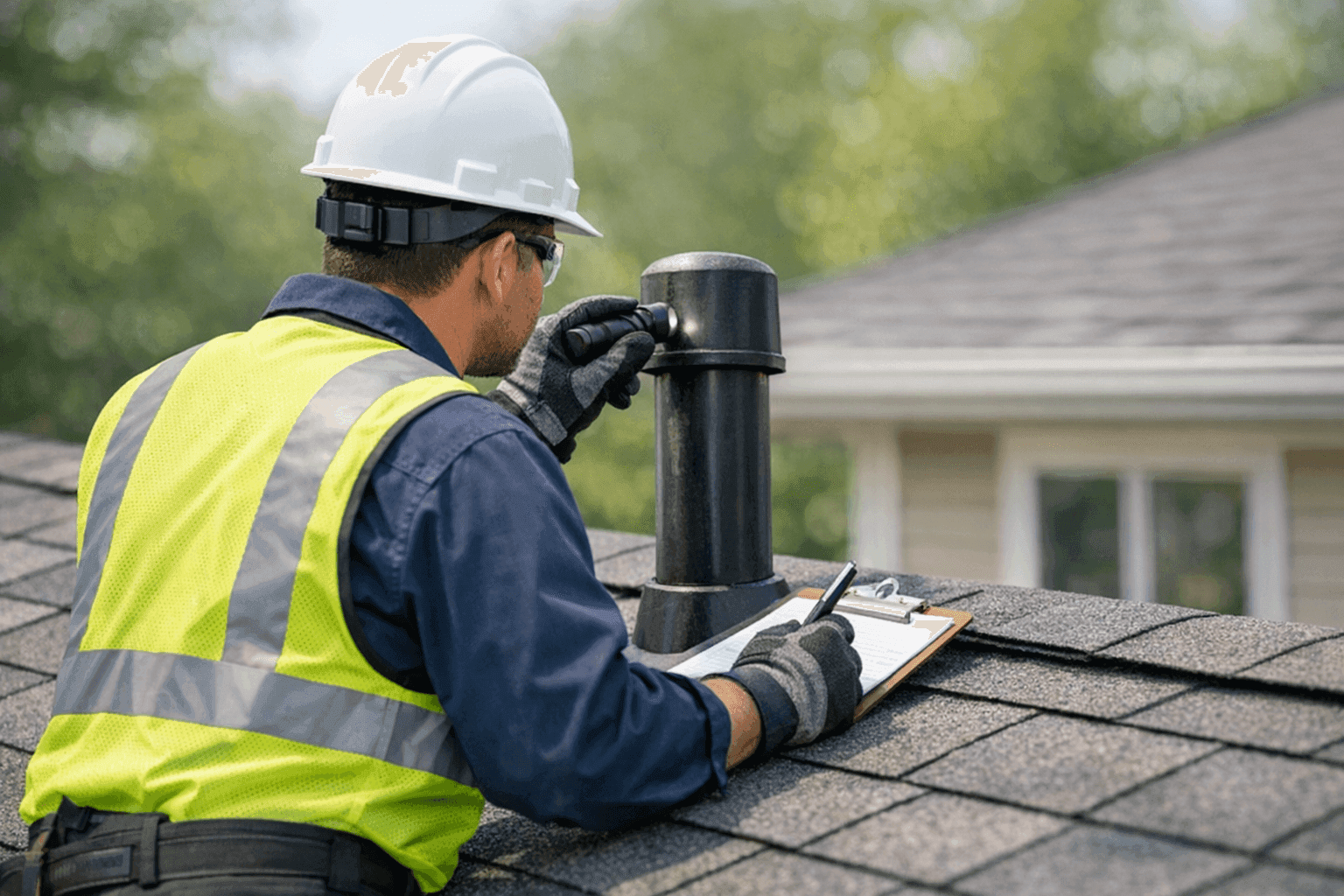
Every home deserves plumbing that just works. When your pipes and drains do their job behind the scenes, life feels a whole lot easier. But when mysterious odors, slow drains, or odd gurgling sounds creep in, it’s not only annoying—it can signal real trouble.
At Peters Flo Plumbing, we’ve seen how one hidden culprit often stands out: improper or blocked plumbing vents. Understanding how venting works could save you time, money, and headaches down the line.
What Are Plumbing Vents? 🚩
Think of plumbing vents as the lungs of your home's plumbing system. Just as you need fresh air to breathe, your drains and pipes need a way to “inhale” and “exhale” as water flows through. Vents let fresh air into your pipes and allow sewer gases and pressure to escape safely above your roof—never into your living space.
Most homes have vertical stacks (vent pipes) that poke out of the roof. These are connected to your drains below. Without them, water can’t flow smoothly and dangerous gases might build up indoors.
Why Venting Matters
Picture pouring soda from a bottle. If you don’t let air in, the liquid glugs and hesitates. But open another hole, and it pours cleanly. Plumbing works the same way.
Proper venting:
- Keeps water flowing freely through drains
- Prevents sewer gases from backing up into your home
- Protects water in p-traps (the “U”-shaped pipes under sinks and tubs) so they don’t dry out
- Stops vacuum effects that can suck water out of traps (which keeps odors at bay)
- Ensures your system meets local building codes, like the International Plumbing Code (IPC) and Uniform Plumbing Code (UPC)
Common Problems With Plumbing Vents
Vents can get blocked by leaves, bird nests, ice, or even debris from roof work. Sometimes, pipes are undersized, poorly installed, or not installed at all—especially in older homes or during DIY remodels.
Symptoms of venting issues include:
- Gurgling noises from drains or toilets
- Slow-draining sinks, tubs, or showers
- Water bubbling in the toilet bowl
- Unpleasant sewer odors indoors
- Repeated clogs, even after cleaning
If you’re noticing any of these, don’t ignore them. They’re the plumbing equivalent of your home coughing for air.
How Air Flow and Trap Protection Work
Venting ensures that air pressure stays balanced throughout your plumbing system. When you run water down a drain, it pushes air ahead of it and pulls air behind. Without a vent, that pressure can suck water out of nearby traps—letting sewer gases slip into your rooms.
A properly vented trap stays full of water, acting as a barrier between your home and the sewer. That’s why venting is so important for health and comfort.
Meeting Plumbing Codes
Building codes require that every fixture—every toilet, sink, tub, or shower—has proper venting. This is about more than just convenience; it’s about safety and public health.
Codes like the IPC and UPC (refer to your local building department for details) lay out rules for pipe sizes, vent placement, and installation methods. A licensed plumber will ensure your system is up to code, whether you’re renovating or just having repairs done.
DIY Checks: What to Look For
While some vent problems need a pro, you can spot early signs yourself:
- Listen for gurgling after flushing or draining
- Notice if drains are slow in several places at once
- Check for musty sewer smells, especially under sinks
- Look for standing water on your roof near vent pipes after rain
If you see or smell trouble, it’s time to investigate further.
When to Call a Pro
If you suspect a venting issue, don’t go climbing on the roof or dismantling pipes yourself. Vents can be tricky to access and diagnosing root causes isn’t always straightforward.
A professional plumber will:
- Inspect vent stacks and attic piping for blockages or breaks
- Use safe, specialized equipment to clear out debris
- Test for proper airflow with pressure gauges or smoke tests
- Check all traps and drains for correct water levels
- Ensure all work meets local codes
For critical needs like Backflow Prevention, professional assessment is essential for your family’s safety.
Prevention & Maintenance Tips
You can help keep your plumbing system venting smoothly by:
- Keeping vent outlets clear of leaves and debris
- Watching for signs of animal nests or insect blockages
- Having your roof and attic inspected annually
- Scheduling regular plumbing maintenance, especially after storms or heavy snow
If you ever spot a missing or broken vent cap, have it fixed promptly to prevent animals and rain from getting in.
Costs and Timeline
Venting repairs can range from quick cleanouts to more involved re-piping. Minor blockages are usually resolved within an hour or two. Larger issues—like adding new vent lines or fixing code violations—may take a day or more.
Investing in proper venting saves money in the long run. Unchecked vent issues can lead to water damage, mold, and expensive emergency repairs.
When Is It an Emergency? ⚠️
If you smell raw sewage indoors, notice water backing up from multiple drains, or experience sudden, widespread slow drainage throughout your home, call a plumber right away. These symptoms can indicate a major blockage, sewer backup, or dangerous gas buildup.
Seasonal Considerations
Winter can be tough on vent pipes. Ice and snow may block stacks, especially after storms. In the fall, wind and leaves can pile up quickly. Check vent stacks after heavy weather and clear away anything that might restrict airflow.
Common Mistakes Homeowners Make
- Sealing around vent pipes with plastic bags or tape (never do this)
- Covering roof vents for “energy savings” in winter (this blocks airflow)
- Flushing debris or paint down drains (which can block vents and traps)
- Ignoring persistent slow drains or odors
If in doubt, ask a licensed plumber for advice before making changes.
Signs of Trouble: What Not to Ignore
- Gurgling or bubbling from any fixture
- Water levels in toilets that rise and fall for no reason
- Persistent sewer-like smells
- Multiple clogged fixtures at once
These are all red flags that your plumbing system needs attention.
Timeline & Disruption: What to Expect
Most vent repairs are minimally invasive, especially when tackled early. In rare cases, pipes inside walls or attics may need to be accessed. Your plumbing team should explain the process and expected timeline before starting work.
Materials & Equipment Pros Use
- Augers and drain snakes to clear blockages
- Camera inspection tools to check vent and drain lines
- Smoke generators for leak testing
- Pipe cutters, repair couplings, and proper vent caps
DIY tools rarely solve serious vent issues—and can sometimes make things worse.
FAQ: Plumbing Vents
Q: Can I just pour drain cleaner to fix vent problems?
A: No. Drain cleaners are for clogs, not vent blockages. They can even corrode pipes and damage traps.
Q: How often do vents need to be checked?
A: Annually, or whenever you notice symptoms like gurgling, slow drains, or odors.
Q: Who can fix my venting issues?
A: A licensed plumber with experience in venting and Backflow Prevention.
Why Peters Flo Plumbing?
As residential plumbing specialists, we know how critical safe venting and backflow prevention are for your home. We take the time to diagnose, explain, and fix vent issues so your plumbing stays healthy, safe, and problem-free.
If you need help with water pressure, leaks, or any issue in your home, our team is ready. Need service in southern New Hampshire? Learn more about our plumbing services in Manchester.
Call Peters Flo Plumbing now — or reach us anytime at 877-331-9687 .