How to Unclog a Toilet: Step-by-Step for Homeowners
Ever had that sinking feeling when the water keeps rising—and rising—after you flush? You’re not alone. Toilet clogs are one of the most common plumbing headaches for homeowners. But with the right know-how, you can often tackle the problem yourself without making things worse.
At Peters Flo Plumbing, we understand that a blocked toilet isn’t just an inconvenience—it can quickly become a messy, stressful situation. Our step-by-step guide will walk you through safe, practical solutions and help you know when it’s time to bring in a pro.
Why Toilets Get Clogged 🚽
Toilets are workhorses, but they’re not invincible. Most clogs happen when something gets in the way of water and waste flowing down the drain. Sometimes it’s too much toilet paper. Other times, it’s “flushable” wipes (spoiler: most aren’t truly flushable), small toys, or even a buildup of hard water deposits.
Think of your toilet drain like a city street. If too many cars try to pass at once, or if something blocks the road, traffic comes to a halt. Likewise, even one wrong item can create a jam that stops the normal flow.
Tools You’ll Need
Before you start, gather your essentials. These items are your best allies against stubborn clogs:
- Plunger: The classic cup-shaped tool. Make sure it’s clean and in good condition.
- Rubber gloves: For hygiene and protection.
- Bucket: In case you need to remove excess water.
- Toilet auger (plumbing snake): For deeper or tougher clogs.
- Old towels or rags: To catch spills and protect your floors.
- Disinfectant spray: For cleanup afterward.
If you don’t have a plunger or auger, now’s the time to pick one up. They’re inexpensive and can save you from bigger hassles later.
Step-by-Step Unclogging
Let’s roll up those sleeves and get started.
1. Stop the Water
First, don’t panic. Quickly remove the tank lid and push the flapper down to stop more water from entering the bowl. If the water level keeps rising, turn off the water valve behind the toilet.
2. Prepare Your Space
Lay old towels or rags around the base of the toilet. Slip on those gloves. Keep your bucket nearby for any excess water you may need to scoop out.
3. Plunge Away
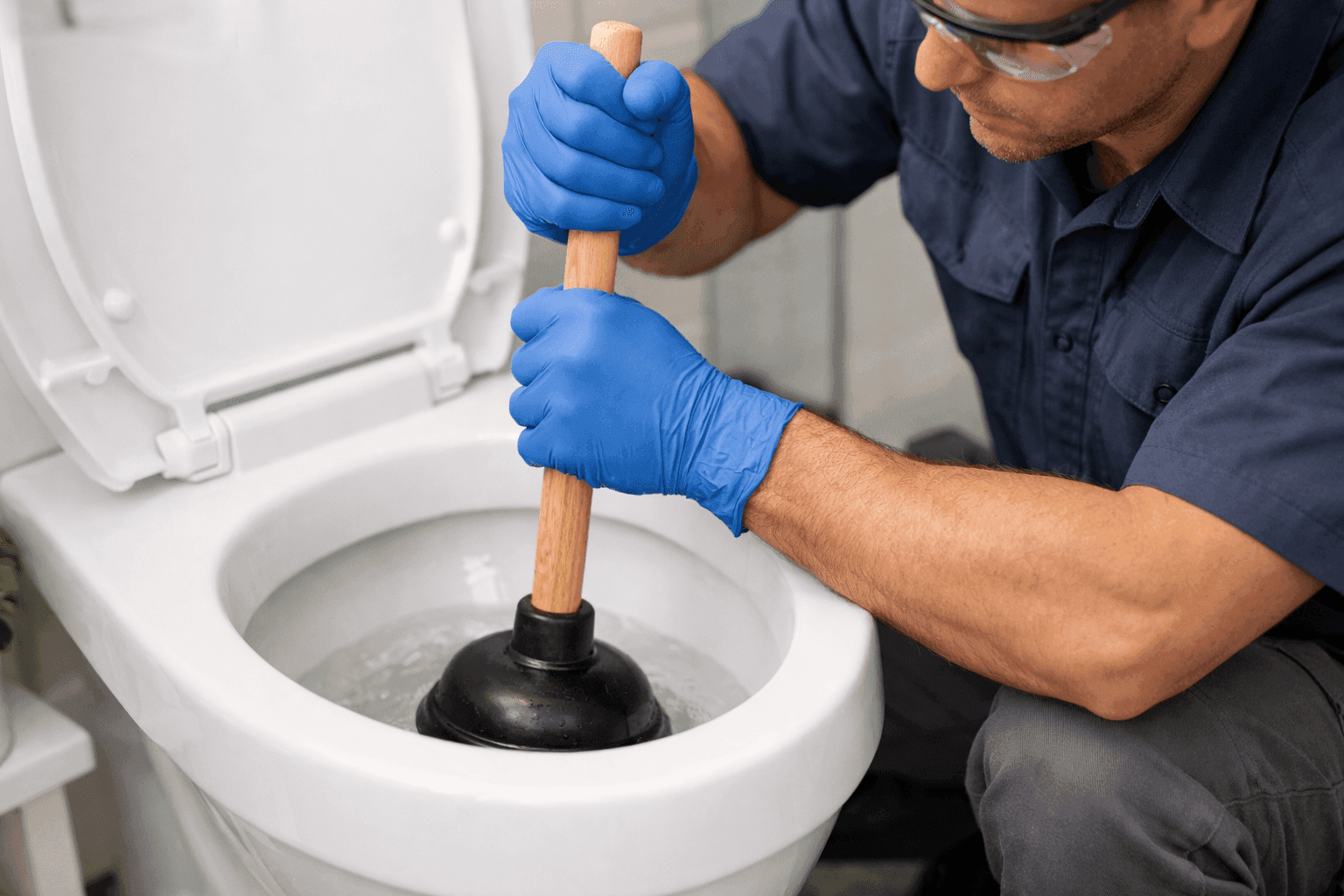
Place the plunger over the drain hole, ensuring a tight seal. Push down gently at first—then pull up sharply. Repeat, increasing the force as needed. It’s the pressure and suction that break up the clog, not brute strength.
A few good plunges often do the trick. If you hear a gurgle and see water start to drain, success! Flush once to confirm the blockage is gone.
4. Use a Toilet Auger for Stubborn Clogs
If plunging doesn’t work, grab a toilet auger. Insert the tip into the drain and turn the handle clockwise, gently pushing through the blockage. Once you feel resistance ease, pull the auger out and try flushing again.
5. Clean Up Thoroughly
Disinfect the toilet, handle, and any surfaces you touched. Wash your hands well—even if you wore gloves.
Quick Safety Checklist 🧤
- Never use chemical drain cleaners in toilets—they can damage pipes and crack porcelain.
- Don’t use makeshift items (like coat hangers), which can scratch your toilet or get stuck.
- If water overflows, mop up immediately to prevent water damage and slip hazards.
- Always know where your main water shutoff is for emergencies.
When DIY Isn’t Enough
Some clogs just won’t budge. If you’ve tried the steps above and the toilet still won’t drain, it’s time to call in a professional. Persistent clogs can signal deeper issues, like a blocked sewer line or tree roots intruding into your pipes.
Don’t force the issue. Using too much pressure or the wrong tools can break the toilet or even cause sewage backups—a much bigger mess.
If water is backing up into other drains, or you smell sewage, this is a plumbing emergency. Call us for immediate help with emergency plumbing.
What Professional Plumbers Do On Arrival
When Peters Flo Plumbing arrives, we start by assessing the situation. Our team uses professional-grade augers, inspection cameras, and industry-safe techniques to locate and clear blockages without damaging your plumbing.
If we suspect a bigger problem—like a main line blockage—we may recommend a sewer line inspection using video technology. This helps us pinpoint issues deep within your pipes, following guidelines from the International Association of Plumbing and Mechanical Officials (IAPMO) and local plumbing codes.
Common Mistakes Homeowners Make 😬
- Over-plunging: Too much force can crack the toilet seal or push the clog further.
- Using harsh chemicals: These can corrode pipes and harm the environment.
- Ignoring recurring clogs: Frequent blockages often mean a bigger underlying issue.
- Flushing non-flushables: Even products labeled “flushable” can cause trouble.
A stitch in time saves nine. Address small problems early before they become full-blown plumbing disasters.
When It’s an Emergency
Flooding, sewage smells, or water backing up in multiple fixtures? These are signs of a major blockage or backup. Don’t wait—shut off the water supply and call for help. Quick action can minimize damage and protect your home’s health.
For urgent help with toilet clogs, visit our toilet repair service page.
Preventing Recurring Clogs 🛡️
Prevention is the best cure. Here are simple habits to keep your toilet flowing freely:
- Only flush human waste and toilet paper. Nothing else.
- Keep a trash bin nearby for wipes, paper towels, and hygiene products.
- Teach kids and guests what can (and can’t) go down the toilet.
- Schedule annual preventative maintenance with a licensed plumber.
- Address slow drains early—don’t wait for a full blockage.
Seasonal Considerations
Winter can freeze pipes and contribute to slow drainage, especially in older homes. In spring and summer, tree roots grow aggressively and can invade buried sewer lines. If you notice frequent clogs that seem to follow the seasons, mention this to your plumber during regular maintenance checks.
Signs You Need Professional Help
- Water leaks around the toilet base.
- Gurgling sounds from other drains when you flush.
- Toilets or drains that back up repeatedly.
- Unpleasant odors from the bathroom.
- Visible cracks in your toilet bowl or tank.
These red flags often mean the problem is bigger than a simple clog.
Costs & Time Factors
DIY unclogging is usually quick and inexpensive. Most clogs clear in 10–15 minutes with a plunger. If you need a plumber, costs can vary based on the issue’s severity and time of day—after-hours visits or emergencies cost more. Remember, proper repairs now can save you from expensive damage later.
The Value of Preventative Maintenance
Regular checkups by a licensed plumber can spot small issues before they grow. Peters Flo Plumbing offers preventative maintenance services to keep your bathroom and kitchen plumbing in top shape. For homeowners looking for "Backflow Prevention near you," annual inspections can protect your family and your home.
Plumbing Codes & Safety Guidelines
All plumbing work—including unclogging toilets—should follow local codes and safety rules. The International Plumbing Code (IPC) and National Standard Plumbing Code (NSPC) are gold standards for safety. If you’re unsure about a repair, it’s always safest to consult a licensed professional.
Timeline & Disruption
A simple clog? You could be back to normal in minutes. But if the problem runs deeper, expect some disruption as pipes are inspected or repairs are made. Professional plumbers aim to minimize downtime and keep your home clean and safe throughout the process.
For Homeowners in Naperville and Beyond
Looking for a reliable plumbing company in Naperville? Peters Flo Plumbing serves homeowners with fast, friendly, and safe solutions for every kind of toilet trouble.
Final Thoughts
A clogged toilet is never fun, but it doesn’t have to ruin your day. With a few basic tools and smart steps, you can solve many blockages yourself. But when in doubt—or when things get messy—Peters Flo Plumbing is here to help.
Call Peters Flo Plumbing now — or reach us anytime at 877-331-9687 .