How to Prepare for a Home Plumbing Inspection
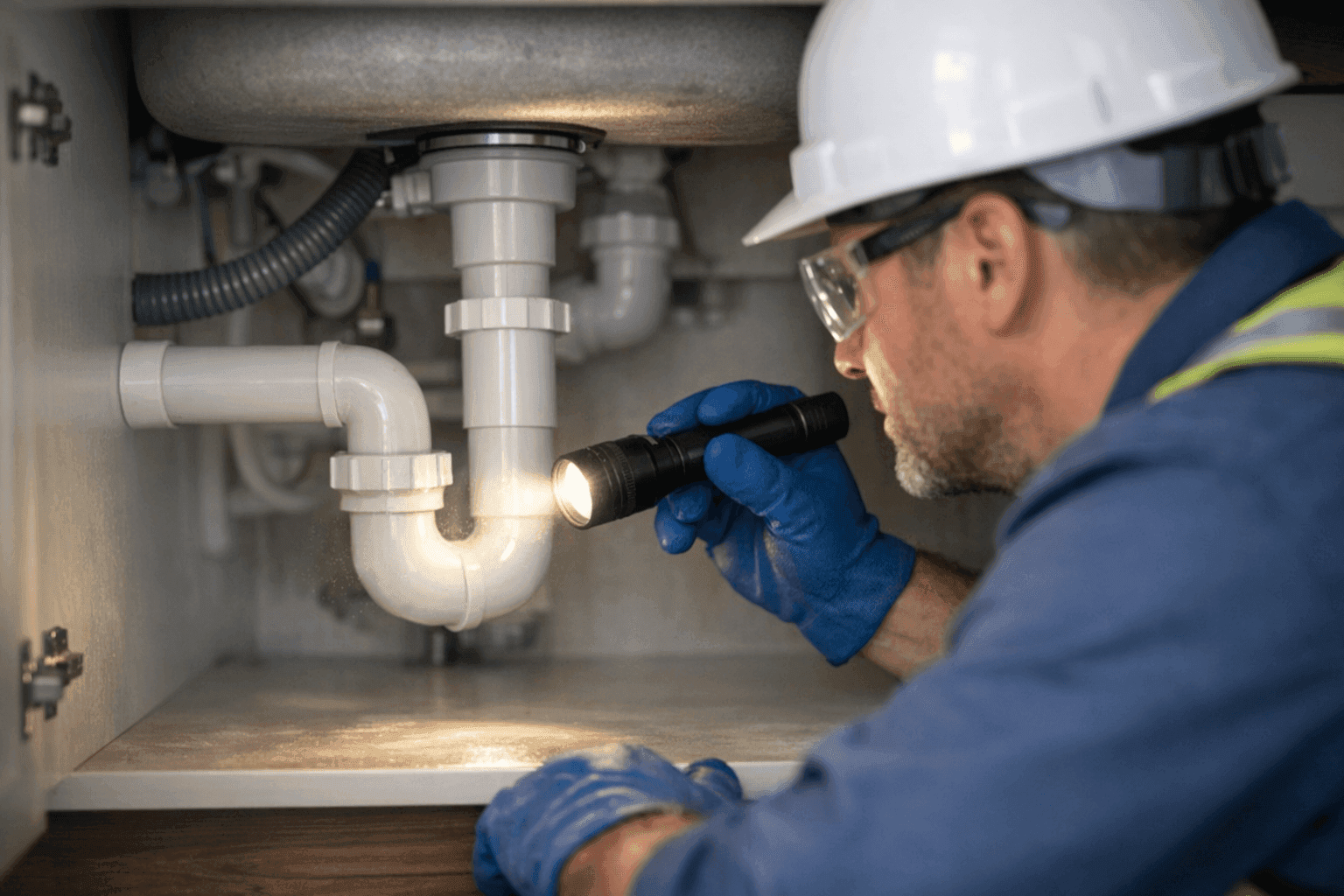
When was the last time you really thought about your home’s plumbing? If you’re like most homeowners, it’s probably only when something goes wrong. Leaks. Clogged drains. Water where it shouldn’t be. At Peters Flo Plumbing, we know these headaches well—and we’re here to help you avoid them.
A home plumbing inspection is more than a quick peek under the sink. It’s peace of mind for buyers, sellers, and anyone who wants to keep their property safe and dry. Let’s walk through how to get ready, what to expect, and what to do after the inspector leaves.
Why Get a Plumbing Inspection? 🕵️
Think of a plumbing inspection like a yearly checkup for your home’s arteries. Pipes, valves, and fixtures are the veins that keep water moving. Over time, wear and tear—or even small mistakes—can lead to expensive repairs.
- Home buyers: Avoid hidden surprises that can drain your savings.
- Sellers: Fix issues early and boost your home's value.
- Long-term owners: Stay ahead of leaks, corrosion, or code violations.
According to the International Association of Certified Home Inspectors (InterNACHI), regular inspections can catch problems before they turn into emergencies. Whether you’re prepping for a move or just want to sleep easier, a professional look under the hood is a smart move.
Quick Safety Checklist Before Inspection
Before the inspector arrives, make sure your home is ready. A little prep can save time and help the inspection go smoothly.
- Clear out cabinets under sinks—especially in kitchens and bathrooms
- Move storage away from water heaters, sump pumps, and main shut-off valves
- Secure pets in a safe room
- Locate your main water shut-off (and make sure it’s accessible)
- Gather recent plumbing repair receipts or warranties
Safety first: If you have gas lines, ensure nothing is blocking access to meters or valves. This helps with both Preventative Maintenance and gas safety checks.
DIY vs. Calling a Pro
Some homeowners wonder: can I do this myself? You can—and should—check for drips, visible mold, or running toilets. But a pro brings specialized tools and a trained eye, spotting what most folks miss. Think of it like the difference between checking your oil and tuning your whole engine.
If you suspect a hidden leak or smell gas, it’s time to call the pros. At Peters Flo Plumbing, our team uses advanced leak detection equipment to find problems before they become disasters.
What Pros Do On Arrival
When your inspector arrives, they’ll ask a few quick questions. Any recent plumbing repairs? Noticed slow drains? Where’s the main water shut-off?
Then the work begins. Expect them to:
- Inspect visible pipes for corrosion, leaks, and proper insulation
- Check water pressure at fixtures
- Test drains for speed and blockage
- Examine the water heater for signs of rust, leaks, or improper venting
- Assess sump pumps, backflow devices, and gas lines
- Review toilets, faucets, and shut-off valves for function and wear
An inspection typically takes one to two hours, depending on your home's size and layout.
Preparing Your Home: Easy Steps for Homeowners
You don’t need to deep-clean your house, but a few simple steps make a big difference:
- Remove items from under sinks and around major appliances
- Unlock crawl spaces, basements, or utility closets
- Have keys handy for outdoor hose bibs or access panels
- Note any areas where you’ve spotted water stains, musty smells, or fluctuating pressure
Think of it like setting the table before guests arrive. The easier it is for the inspector to work, the more thorough—and accurate—the results.
What Inspectors Look For 🛠️
Every inspection covers the basics, but pros go deeper. Here’s what’s on their radar:
- Leaks: Even tiny drips can signal bigger issues. Pros use moisture meters and thermal cameras to find hidden trouble.
- Pipe material and age: Old galvanized pipes? Polybutylene? These can be trouble down the road.
- Water heater safety: Pressure relief valves, venting, and temperature settings are checked for both performance and safety.
- Drainage and venting: Slow drains or gurgling noises may mean a partial clog or improper venting.
- Backflow prevention systems: Required in many homes to protect your water supply.
- Gas lines and shut-offs: Inspectors look for leaks, corrosion, and accessible valves.
If your home has a sump pump or water filtration system, those get a careful once-over too.
Common Findings: The Good, the Bad, and the Drippy
Every home tells a different story. Some findings are quick fixes; others need bigger solutions.
Common things inspectors find:
- Dripping faucets or loose handles
- Running toilets
- Slow drains or small blockages
- Aging water heaters near the end of their life
- Minor leaks at joints or valves
- Missing or corroded shut-off valves
Bigger issues—like main line cracks, major slab leaks, or failing backflow devices—are less common but important to catch early.
Prevention & Maintenance: Why It Pays Off
A stitch in time saves nine. Regular inspections and preventative maintenance are like putting your plumbing on a workout plan. They extend the life of your pipes and appliances, help you avoid costly water damage, and can even lower your insurance premiums.
The EPA recommends annual checks for leaks and pipe health to prevent water waste and property damage. It’s a small investment for big peace of mind.
Costs & Time: What to Expect
Most standard plumbing inspections take 1–2 hours, depending on the home’s size and complexity. Costs vary by region and scope, but catching a small leak now can save thousands later.
- Standard inspection: Covers visible plumbing, fixtures, and water heater.
- Expanded inspection: May include sewer camera work, backflow testing, or advanced leak detection.
Ask for a detailed report—you’ll want this for your records, especially if you’re buying or selling.
Timeline & Disruption: Will This Turn My Home Upside Down?
Not at all. A routine inspection is low-impact. You’ll need to clear a few spaces and plan for water to be shut off for a few minutes. Most of the time, you can go about your day while the inspector works.
If repairs are needed, your inspector will outline next steps and schedule them at your convenience.
When It’s an Emergency
Some plumbing problems can’t wait. Burst pipes, sewer backups, or suspected gas leaks need immediate attention. Know where your main shut-off is, and don’t hesitate to call for emergency plumbing if you have:
- Sudden loss of water
- Water pouring from ceilings or walls
- The smell of gas
Your safety comes first—always.
Seasonal Considerations: Winter, Summer, and Beyond ❄️
Plumbing works harder in winter and summer. Freezing pipes, heavy rains, and increased water use can all spell trouble.
- Winter: Insulate exposed pipes, check for drafts, and test your sump pump.
- Spring/Fall: Clear gutters, check for outdoor leaks, and prep outdoor spigots.
- Year-round: Listen for strange noises, watch for slow drains, and check your water pressure.
Catching seasonal issues early keeps your home safe—no matter the weather.
Materials & Equipment: What You Need (and Don’t Need)
You don’t need a toolbox full of gadgets. A flashlight, a notepad, and a clear path to fixtures are all you need to help your inspector. The pros bring the rest: thermal imagers, moisture meters, cameras, and more.
Want to get ahead? Take photos of any damp spots, bulging walls, or recurring problems before your inspection.
Signs of Trouble: What Homeowners Should Watch For
Keep an eye out for:
- Unexplained water bills creeping higher
- Spots of mold or mildew
- Rust stains on sinks or tubs
- Fluctuating water temperature or pressure
- Persistent musty smells
If you notice any of these, mention them to your inspector. Small clues often lead to early fixes.
Common Mistakes: Don’t Let These Trip You Up
- Forgetting to clear access to plumbing or water heater
- Not mentioning past plumbing repairs or upgrades
- Waiting until the day of the inspection to prep your home
- Ignoring small leaks or slow drains—these add up over time
Preparation is half the battle.
Next Steps After Inspection 📝
Once your inspection wraps up, you’ll get a report outlining what’s working and what needs attention. Here’s what to do next:
- Review the report carefully—ask questions if anything’s unclear.
- Tackle urgent repairs first (leaks, gas issues, or code violations).
- Schedule follow-up for suggested maintenance or upgrades.
- Keep your report for future reference, especially if you plan to sell.
If you’re in the market for a new home, share your report with your realtor. For sellers, proactive repairs can smooth out closing. For everyone else, it’s your roadmap for a healthy plumbing system.
For those in the region, if you're searching for a reliable plumber for preventative maintenance or plumbing services in Bristol, Peters Flo Plumbing is just a call away.
FAQ: Your Top Plumbing Inspection Questions
How often should I get my home plumbing inspected?
Most experts recommend an annual inspection. Older homes or those with frequent issues may need more frequent checks.
What’s the difference between a regular plumbing inspection and a sewer line inspection?
A standard inspection focuses on visible pipes, fixtures, and appliances. Sewer line inspections use cameras to check underground lines for blockages or damage.
Is plumbing inspection required when selling a home?
It depends on local laws, but most buyers and lenders expect it. Inspections protect both parties from costly surprises.
Can I stay home during the inspection?
Absolutely. Most inspections are quick and require minimal disruption.
Final Thoughts: Protect Your Home and Your Wallet
Your home’s plumbing is its unseen hero. Regular inspections are the key to catching problems early, saving money, and keeping your family safe. Whether you’re buying, selling, or just want to keep things running smoothly, preparation is everything.
Ready to book your inspection or need more advice?
Call Peters Flo Plumbing now — or reach us anytime at 877-331-9687 .