Gas Safety Checks: What Every Homeowner Should Know
Is there a faint smell of gas in your home? Or maybe you’re not sure when your last gas safety check was. For many, gas lines are out of sight and out of mind—until something goes wrong. At Peters Flo Plumbing, we know that a hidden gas issue can turn a peaceful home upside down in minutes.
Gas safety isn’t just a checklist—it’s peace of mind. Let’s walk through what every homeowner should know about gas safety checks, why they matter, and what you can expect when you schedule one.
Why Gas Safety Checks Matter 🛑
Picture your home as a living, breathing body. The gas lines are its veins—essential, but if something leaks or blocks the flow, the risks are immediate. Gas leaks can cause fires, explosions, and carbon monoxide poisoning. According to the U.S. Consumer Product Safety Commission, thousands of injuries and deaths each year are linked to unsafe gas systems.
Ignoring gas safety is like skipping a seatbelt. Most days you’re fine, but the one time you need protection, you’ll wish you hadn’t. A scheduled gas safety check by a qualified plumbing professional helps spot problems before they become emergencies.
What’s Included in a Gas Safety Check
So, what actually happens during a gas safety check? Here’s a breakdown:
- Visual inspection: Your technician checks all accessible gas lines, fittings, and connections for corrosion or damage.
- Leak detection: Using specialized tools, they check for leaks—even those too small for you to smell.
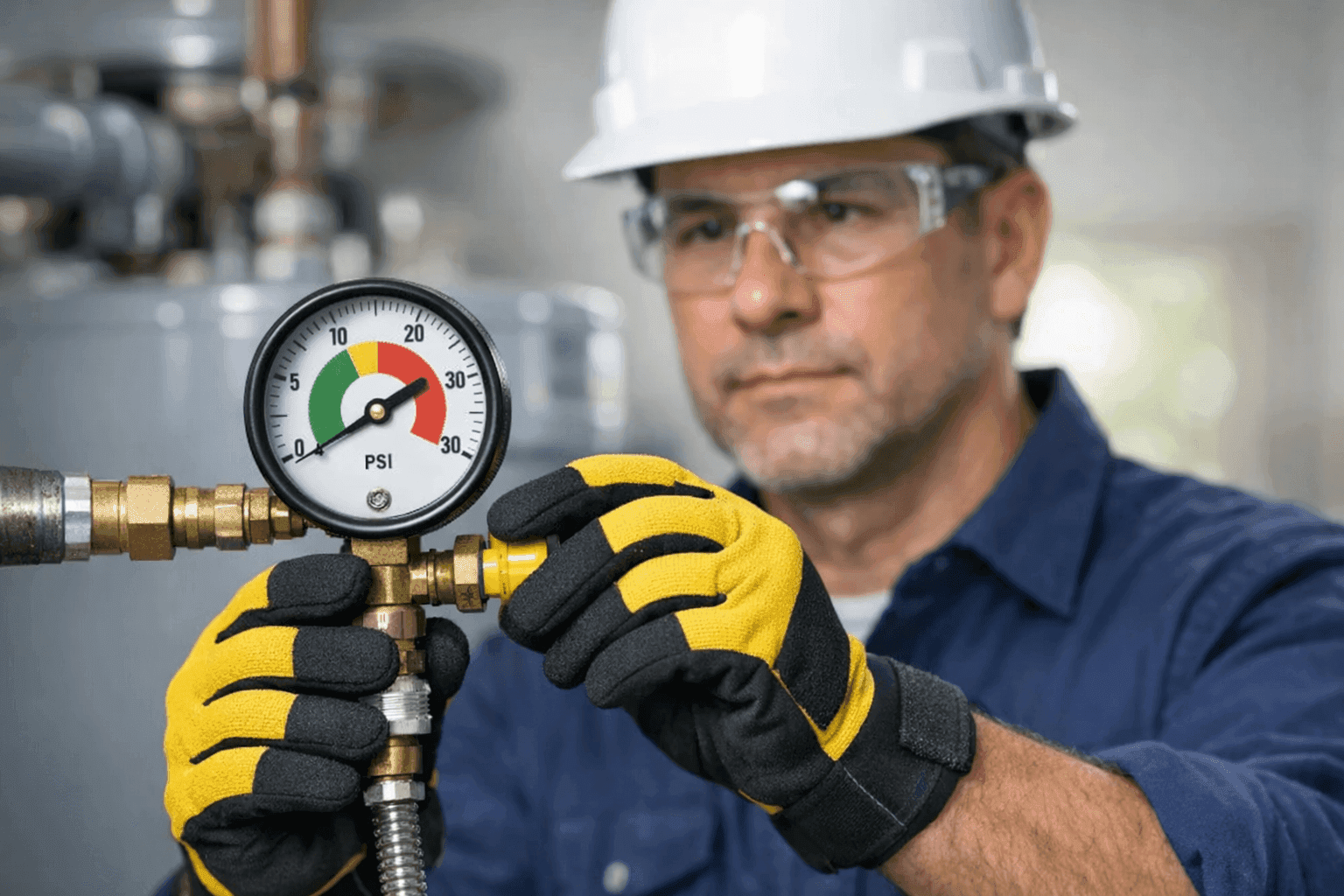
- Pressure testing: Ensures your gas lines are holding the proper pressure and aren’t losing gas.
- Appliance inspection: Every gas appliance (heaters, stoves, water heaters) gets checked for safe operation.
- Ventilation review: Proper ventilation is critical. Your pro confirms that exhaust gases are safely vented outside.
- Code compliance: Your system is measured against current residential safety codes, like those from the National Fuel Gas Code (NFPA 54).
A thorough check means more than a quick look with a flashlight. It’s a step-by-step review that leaves nothing to chance.
How Often Should You Inspect?
Think of a gas safety check like changing the oil in your car—regular upkeep keeps everything running smoothly. Most experts, including the Gas Safe Register, recommend annual checks for homes with gas appliances.
But there are times when you should check sooner:
- After any major renovation or appliance installation
- If you notice any signs of trouble (see below)
- When buying a new home
- After severe weather or flooding
Routine inspections don’t just satisfy insurance— they keep your family safe.
Signs of Gas Issues Inside Your Home ⚠️
Gas leaks and faults can be subtle. Here’s what to watch for:
- Smell of rotten eggs: Natural gas is odorless, but utilities add mercaptan to make leaks easier to detect.
- Hissing sounds: Even a small leak can cause a faint hiss near a pipe or connection.
- Dead houseplants: Gas leaks indoors can suffocate plant roots.
- Pilot lights going out: If your pilot light keeps flickering or won't stay lit, gas flow could be compromised.
- Physical symptoms: Headaches, dizziness, or nausea can be early signs of carbon monoxide poisoning.
If you notice any of these, evacuate immediately and call for emergency plumbing help.
Quick Home Gas Safety Checklist
Stay ahead. Here’s a fast checklist for homeowners:
- Know where your gas shutoff valves are.
- Keep combustibles away from gas appliances.
- Never block exhaust vents.
- Schedule annual professional inspections.
- Install carbon monoxide detectors in key locations.
A little vigilance goes a long way.
DIY vs. Call a Pro
Some jobs are best left to professionals. Gas safety checks require specialized tools and knowledge. While you can check for obvious signs (like smells or noises), don’t attempt repairs or detailed inspections on your own.
Only a licensed, qualified plumber should handle gas line testing, repairs, and installations. At Peters Flo Plumbing, our technicians undergo regular training and follow all local and national codes.
What Pros Do On Arrival
When you schedule a gas safety check, here’s what you can expect from a certified technician:
- Friendly introduction: Clear identification and explanation of the visit.
- Initial survey: Assessment of your home’s layout and gas appliances.
- Testing: Use of calibrated leak detectors, pressure gauges, and visual tools.
- Documentation: A written report of findings and any recommendations.
- Advice: Guidance on next steps, upgrades, or urgent repairs if needed.
Our team arrives prepared, respectful of your home, and ready to answer your questions.
Prevention & Maintenance: The Smart Homeowner’s Approach 🚦
Like a regular dental checkup, gas safety visits catch problems early. Simple measures help:
- Have old or corroded pipes replaced proactively.
- Upgrade to modern, code-compliant appliances.
- Keep vents and flues clear of debris.
- Never ignore warning signs—small leaks can escalate quickly.
We also recommend scheduling gas line installation with a qualified pro instead of attempting it yourself. Precision matters.
Costs & Time Factors
Gas safety checks are a smart investment. Typical inspections take between 45 minutes and 2 hours, depending on your home and number of appliances.
Costs vary, but the price of prevention is always less than the cost of an emergency. Insurance companies often prefer documented annual checks, which may help with claims if issues arise.
When It’s an Emergency
If you ever suspect a gas leak:
- Get everyone outside immediately.
- Do not turn on lights or use electronics.
- Call your utility provider and a plumber from a safe location.
Do not try to find the leak yourself. Trained professionals have the right equipment and experience to handle high-risk situations safely.
FAQ: Common Gas Safety Questions
Q: Are gas leaks always obvious?
No—many leaks are silent and odorless. That’s why detectors and regular checks matter.
Q: What if I rent my home?
Landlords are usually responsible for regular gas safety checks, but it’s wise to ask for documentation.
Q: How do I know if my plumber is qualified?
Ask about licenses, certifications, and ongoing training. All Peters Flo Plumbing technicians meet local and national requirements.
Seasonal Considerations
Winter brings higher gas usage for heating. Schedule your checks before the cold sets in. After heavy storms or flooding, have your gas system rechecked—shifting ground and water can damage buried lines.
Common Mistakes Homeowners Make 😬
- Ignoring faint odors.
- Blocking vents with furniture or clutter.
- Skipping annual inspections.
- Attempting DIY repairs without professional help.
Avoiding these pitfalls keeps your home safer and your mind at ease.
Timeline & Disruption: What to Expect
A routine gas safety check is non-invasive. You’ll need to provide access to gas appliances and lines. Most checks cause minimal disruption—no holes in walls, no major mess.
If repairs or upgrades are needed, your technician will explain the scope and timing before any work begins.
Materials & Equipment Used
Pros use:
- Electronic gas leak detectors
- Pressure gauges
- Pipe wrenches and sealants approved for gas systems
- Carbon monoxide monitors
All tools meet national standards—no shortcuts.
Building Trust: Qualifications and Safety Standards
Your safety depends on the skill and integrity of the plumber you choose. At Peters Flo Plumbing, all technicians are licensed, insured, and trained on the latest codes, including NFPA, UPC, and manufacturer guidelines.
We stay current so your home stays safe.
If you’re searching for Backflow Prevention near you or need a reliable plumber, check out our Rapid City Plumbing Services page for more information.
Call Peters Flo Plumbing now — or reach us anytime at 877-331-9687 .